Satellite-to-Cellphone Enters Real Network Strategy With 275 Partnerships Worldwide
For years, satellite connectivity sat slightly outside the everyday mobile conversation. It sounded important, even impressive, but mostly for ships, remote mines, emergency teams, aircraft, military users, or people living far beyond ordinary cellular coverage.
That is changing quickly.
The latest GSA summary report on non-terrestrial 5G networks and satellite connectivity shows just how fast the market has moved. By mid-April 2026, GSA had identified 275 publicly announced partnerships between mobile operators and satellite vendors, spread across 101 countries and territories. That is an 18% increase since the previous report in February 2026. More importantly, 57 operators in 35 countries and territories have now launched commercial satellite services.
This is no longer a futuristic side project. Satellite is becoming part of the mobile network roadmap.
And the most interesting part is not satellite broadband itself. It is satellite-to-cellphone.
The direct-to-phone shift
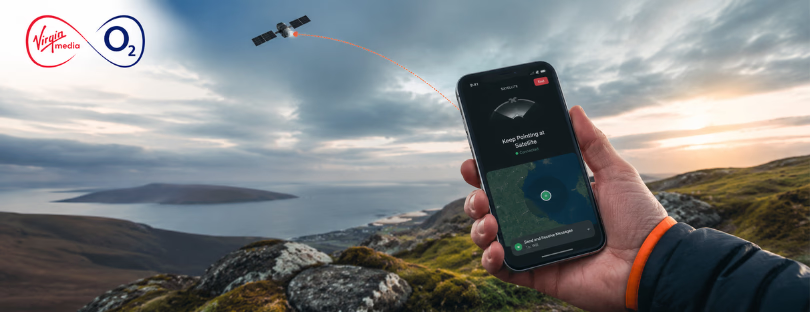
Satellite-to-cellphone, sometimes called direct-to-device, is simple in theory and complicated in practice: your ordinary phone connects to a satellite when terrestrial mobile coverage is unavailable.
No special satellite handset. No separate terminal. No pocket device. Ideally, just your existing smartphone and your existing mobile plan.
That is why operators are paying attention. Mobile networks have improved dramatically, but they still have blind spots. Rural roads, mountains, islands, maritime areas, disaster zones and sparsely populated regions remain difficult or uneconomical to cover with traditional towers. Satellite does not replace terrestrial networks, but it can fill the gaps where towers struggle.
READ MORE: Satellite Connectivity Hits Phones with Docomo x Starlink
GSA says 21 partnerships have already launched satellite-to-cellphone services, while 29 are evaluating, testing, trialling or licensed, and another 73 are planned. Services are live in 17 countries, up from 15 in the previous report.
That growth matters because it moves satellite from “specialist connectivity” into something mobile customers may begin to expect as a normal safety layer.
 Standards are doing quiet work
 Standards are doing quiet work
The satellite story is often told through big names: Starlink, AST SpaceMobile, Lynk, Amazon, Eutelsat, and Globalstar. But behind the market momentum, standards are doing the less glamorous work.
3GPP Release 17 introduced support for non-terrestrial networks, helping define how satellite access can fit into the broader 5G architecture. The goal is not just to make satellite work, but to make it interoperable, scalable, and compatible with a much larger device ecosystem. 3GPP specifically highlights use cases such as roaming between terrestrial and satellite networks and satellite-based 5G backhaul.
READ MORE: Blackview XPLORE 6: Rugged Phone With eSIM & Satellite Connectivity
That is important because satellite-to-phone only becomes truly interesting when it stops being a premium bolt-on and starts becoming part of the mobile standard.
Right now, many services are still limited. Messaging comes first. Data comes later. Voice is harder. Capacity is not the same as terrestrial mobile broadband. And yes, pricing will likely remain higher than ordinary mobile service for a while because satellites are expensive, capacity is limited, and the network economics are different.
But the direction is clear.
Starlink is setting the pace
 Starlink is setting the pace
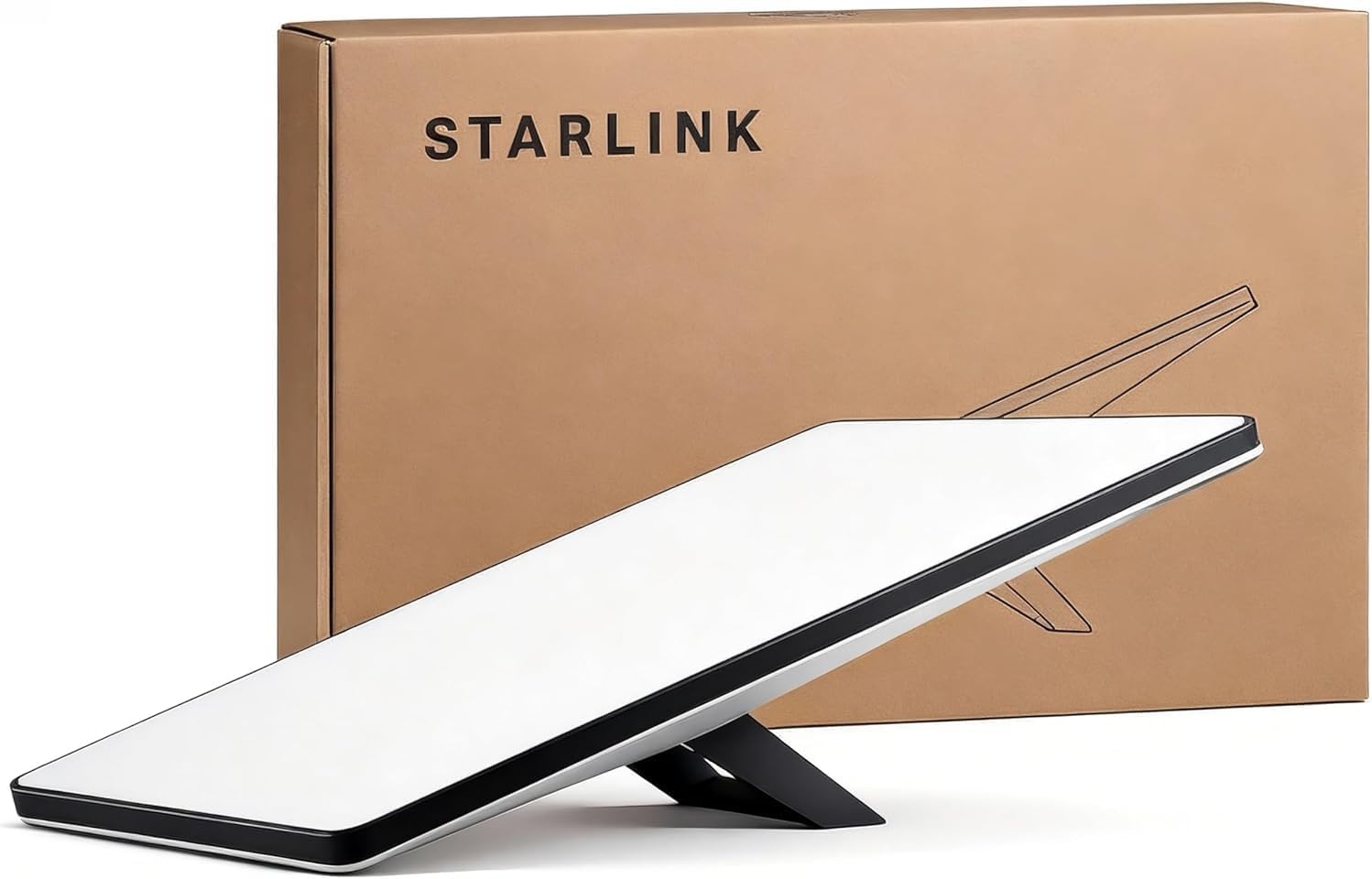
Among satellite providers, Starlink is currently the most visible player. According to GSA, Starlink leads with 96 publicly announced partnerships, up sharply from 59 in January 2026. AST SpaceMobile follows with 44 partnerships, while Amazon Leo, Eutelsat OneWeb and Lynk complete the top five.
That lead is not just about satellites in orbit. It is about distribution. Starlink is not trying to sell satellite phones to everyone. It is partnering with mobile operators that already own the customer relationship.
READ MORE: Starlink Satellite Roaming Goes Global with KDDI
It’s official Direct to Cell materials describe commercial satellite messaging availability in markets including the United States and New Zealand, with the service designed for standard LTE phones rather than specialist hardware.
This is why operators are both excited and cautious. Starlink can help them cover dead zones, but it also gives SpaceX a stronger position inside the mobile ecosystem.
Europe wants its own answer
The satellite-to-phone race is not just technical. It is also strategic.
Vodafone and AST SpaceMobile have positioned their European satellite plans around direct-to-device connectivity, with a European operations centre and a broader push for sovereign satellite capability. Vodafone has described the project as part of commercial space-based mobile broadband connectivity across Europe during 2025 and 2026.
Orange has also moved into the field, signing agreements with AST SpaceMobile and Satellite Connect Europe and launching its “Message Satellite” service in France. Orange called itself the first European telecom operator to launch a commercial direct-to-device service in France.
READ MORE: Virgin Media O2 Secures UK’s First Satellite-to-Smartphone Licence
This is where the market gets interesting. Starlink has scale and speed. AST SpaceMobile has strong operator alignment, especially in Europe. Lynk has been early in direct-to-phone. Eutelsat OneWeb brings satellite broadband heritage. Amazon Leo has the potential to become a major player because Amazon rarely enters infrastructure markets casually.
The result will probably not be one winner. It will be a multi-vendor market where operators choose different satellite partners depending on geography, spectrum, regulation, capacity and political comfort.
The business case is changing
For mobile operators, satellite used to be a coverage story. Now it is becoming a resilience story, a roaming story, an enterprise story and, eventually, a customer-retention story.
A traveler stranded without signal does not care whether coverage comes from a tower or a satellite. A logistics company moving vehicles through remote regions wants continuity. A government wants backup when floods, fires or earthquakes damage terrestrial networks. A telecom operator wants to say: “You are still connected when others are not.”
That is a powerful promise.
But the market should be careful with expectations. Satellite-to-cellphone is not about replacing 5G in cities. It is not about streaming video everywhere on Earth from day one. Early services will be useful, but constrained. Messaging, emergency communication, low-bandwidth data and IoT will lead. Full mobile broadband everywhere will take longer.
Conclusion
The satellite-to-cellphone market is entering its first serious commercial phase, and GSA’s latest numbers make that hard to ignore. Starlink is moving fastest, AST SpaceMobile is building operator-heavy momentum, and European groups such as Vodafone and Orange are clearly treating satellite as part of telecom sovereignty, not just a coverage feature.
For Alertify readers, the bigger point is this: connectivity is becoming layered. Terrestrial networks will remain the core. eSIM will remain the access layer for travelers and digital users. Satellite will become the safety net underneath both.
The winners will not be the companies shouting “global coverage” the loudest. They will be the ones that make satellite feel invisible, useful and fairly priced inside normal mobile experiences. That is when this market stops being space technology and becomes simply connectivity.