Satellite, eSIM and Loyalty to Reshape Telecoms in 2026
The UK and European telecoms market is heading into 2026 with a noticeably different mindset. After years of pilot-heavy experimentation, operators are narrowing their focus. Coverage gaps, rising customer expectations, regulatory scrutiny, and cost pressure are forcing a more disciplined approach to innovation.
According to Lifecycle Software, the coming year will not be defined by flashy demos or abstract transformation promises. Instead, it will be shaped by satellite partnerships, mainstream eSIM adoption, loyalty-driven MVNO strategies, and a more cautious, selective use of artificial intelligence.
This is less about disruption for its own sake and more about fixing what customers actually notice.
Satellite connectivity moves to the core
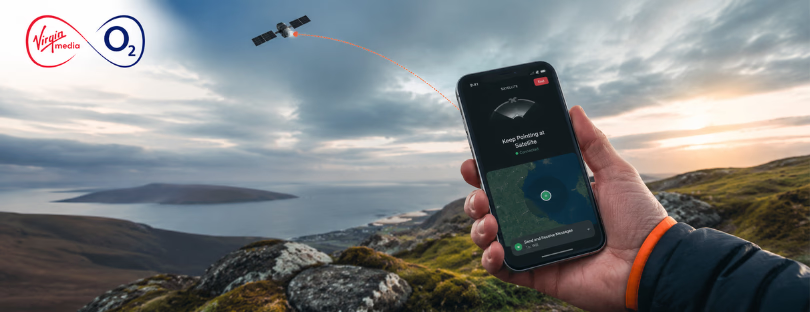
Satellite connectivity is no longer sitting on the edge of telecom strategy. Lifecycle Software says operators have largely accepted that terrestrial networks alone cannot deliver the seamless coverage customers expect, especially as usage spreads across rural regions, transport corridors, and international travel routes.
The recent announcement of a European sovereign satellite operations centre by Vodafone and AST SpaceMobile is an early signal of this shift. Similar partnerships are already visible globally, with players like AT&T working with AST, Apple relying on Globalstar for emergency satellite messaging, and operators across Asia testing hybrid satellite cellular models.
In Europe, Lifecycle Software expects more mobile operators to formalise satellite agreements through 2026. The focus will be practical coverage extension rather than experimental services.

Satellite-backed connectivity plays several roles at once. It fills rural and maritime coverage gaps, supports roaming-style services for travellers, and provides resilience during natural disasters or geopolitical disruption. These use cases are no longer niche. They are becoming part of the baseline expectation for national networks.
Crucially, Lifecycle Software argues that success will depend on how these services are packaged. Operators that present satellite connectivity as a clear, understandable retail feature with transparent pricing will have an advantage. Confusing add-ons or hidden limitations will quickly erode trust in a segment that already carries technical complexity.
eSIM finally goes mainstream
eSIM is quietly becoming one of the most important structural shifts in mobile connectivity. As more smartphones, tablets, laptops, and wearables support eSIM by default, Lifecycle Software expects adoption to accelerate through 2026.
Digital provisioning removes the need for physical SIM cards, retail distribution, and manual activation. For operators and MVNOs, this shortens onboarding, reduces costs, and enables rapid experimentation with new plans and brands.
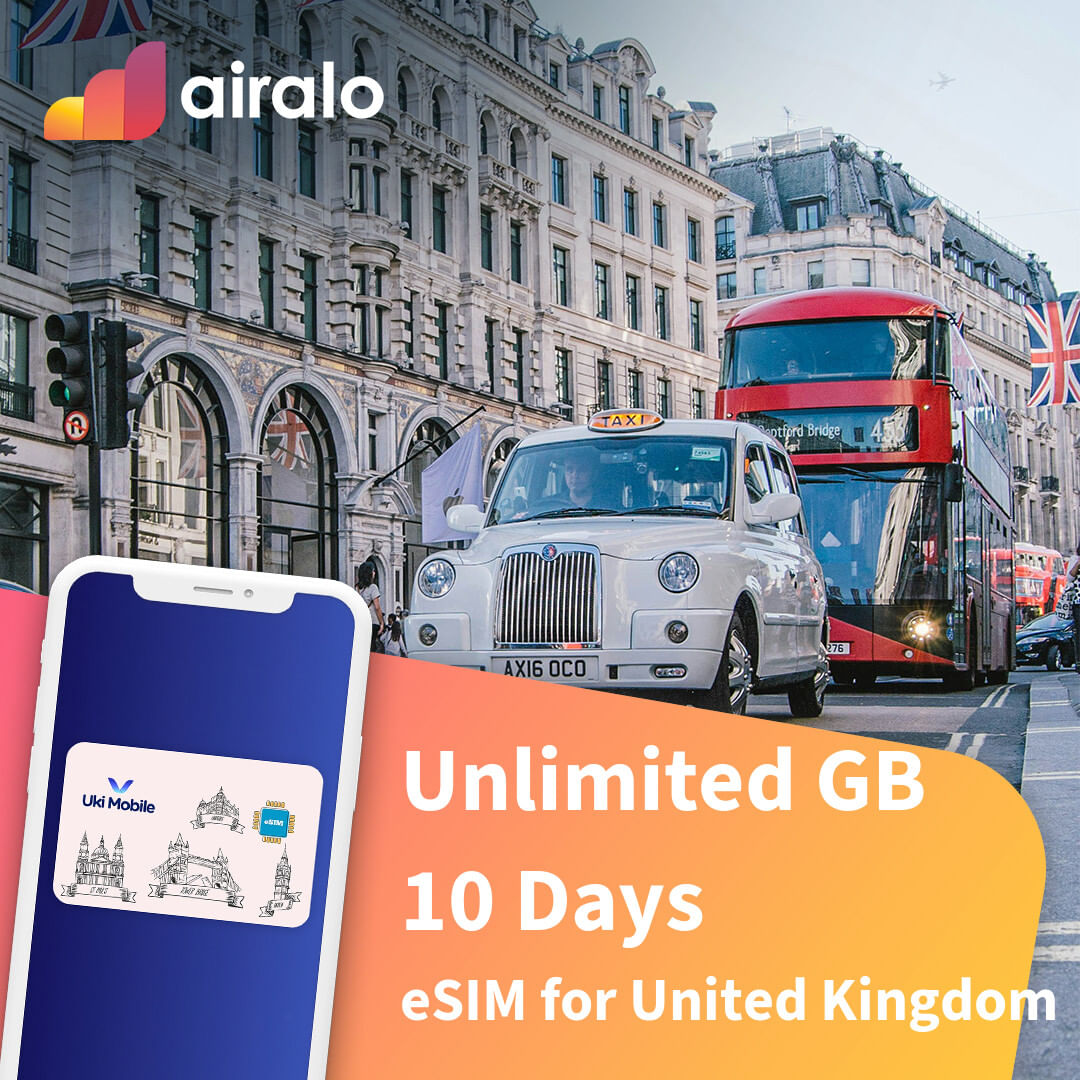
Travel passes, short-term plans, and niche bundles are emerging as key use cases. Providers like Airalo, Holafly, and major operator brands have already demonstrated strong demand for instant, app-based connectivity.
Lifecycle Software believes that as awareness grows, eSIM will become the default way many users start and manage mobile subscriptions, especially for secondary lines, travel, and connected devices.
MVNOs evolve into loyalty engines
Mobile virtual network operators are also changing shape. Lifecycle Software notes that the strongest MVNO launches of 2025 did not come from low-cost telecom challengers, but from brands with loyal, engaged audiences.
Retail chains, lifestyle brands, fintech platforms, and even influencers are increasingly embedding mobile plans into broader ecosystems. In these models, connectivity becomes part of a membership, rewards programme, or financial bundle rather than a standalone product.
This mirrors strategies already visible from players like Revolut, Tesco Mobile, and Superdrug Mobile in the UK, as well as fintech-led offers emerging across the EU. The mobile plan reinforces brand stickiness rather than competing purely on price.
Lifecycle Software says this changes the role of the MVNO entirely. It becomes a loyalty tool, not a telecom business in the traditional sense.
To work, this approach demands fast, personalised onboarding and frictionless service journeys. Event-driven triggers, strong customer data management, and automated value management platforms are no longer optional. Without them, the loyalty promise quickly collapses under operational complexity.
Looking ahead, Lifecycle Software expects more non-telecom brands to enter the MVNO space in 2026 with narrow, value-led propositions. These will target specific segments and integrate mobile access into wider brand ecosystems rather than attempting to scale like traditional operators.
Customer experience becomes non-negotiable
Consumer tolerance for friction continues to fall. Social platforms, fintech apps, and streaming services have trained users to expect immediate responses and minimal effort. Telecoms is no longer exempt from those expectations.
Lifecycle Software predicts increased pressure on operators to shorten sign-up flows, simplify billing interactions, and resolve support issues faster. Every unnecessary step in the journey now carries a measurable cost in churn.
This shift requires more intelligent use of customer data at every touchpoint. Real-time data collection, precise segmentation, and automated campaign triggers will be essential. Operators will increasingly rely on customer value management platforms that adjust offers and messaging dynamically without overwhelming frontline teams.
The winners will be those who manage to personalise experiences while making the overall service feel simpler, not more complex.
A reset in artificial intelligence strategy
After years of heavy AI hype, Lifecycle Software expects a more restrained approach to artificial intelligence in telecoms during 2026.
Operators are becoming more selective about where AI genuinely adds value. In some network and operational workflows, rule-based automation remains faster, more reliable, and easier to govern. Poorly deployed AI can introduce latency, unpredictability, and compliance risk.
Data governance is now central to AI decision-making. European operators in particular face strict regulatory requirements around data use, explainability, and security. Lifecycle Software expects tighter controls, cleaner data environments, and clearer accountability models before wider AI rollouts.
Agentic AI tools will still appear across commercial and operational functions, but deployment will be deliberate. Environmental impact and energy consumption are also gaining attention, especially as sustainability reporting becomes more rigorous.
Projects with clear customer or operational benefits will move forward. Experimental pilots without measurable outcomes will increasingly struggle to secure investment.

6G stays in the background
While 6G continues to feature in industry conversations, Lifecycle Software describes it as a background theme rather than a commercial driver for 2026.
Standards bodies and industry groups will refine timelines and early use cases, informing long-term decisions on spectrum and infrastructure. Operators will focus on sequencing upgrades and identifying where early 6G value could emerge, particularly in industrial and specialist applications.
For most consumers, however, the impact will remain indirect for now.
Conclusion: practical innovation wins
What stands out in Lifecycle Software’s outlook is not any single technology, but a clear change in tone across the industry. Compared with earlier waves of transformation driven by 5G hype, metaverse experiments, or blanket AI adoption, 2026 looks far more grounded.
Operators across the UK and Europe appear to be converging on similar priorities. Vodafone’s satellite strategy, Deutsche Telekom’s push into digital-first services, Telefónica’s focus on data-driven personalisation, and the rise of fintech-linked MVNOs all point in the same direction.
The market is rewarding clarity, coverage, and customer value over novelty. This aligns closely with insights from GSMA Intelligence, Analysys Mason, and recent Ofcom and BEREC discussions around consumer protection and service transparency.
In that context, the operators that make the biggest gains in 2026 will not necessarily be the most experimental. They will be the ones that invest where outcomes are visible, loyalty is measurable, and complexity stays hidden from the customer.
That, more than any single technology, is what will reshape European telecoms next year.