GO UP
esim background
eSIM for OnePlus

eSIM for OnePlus

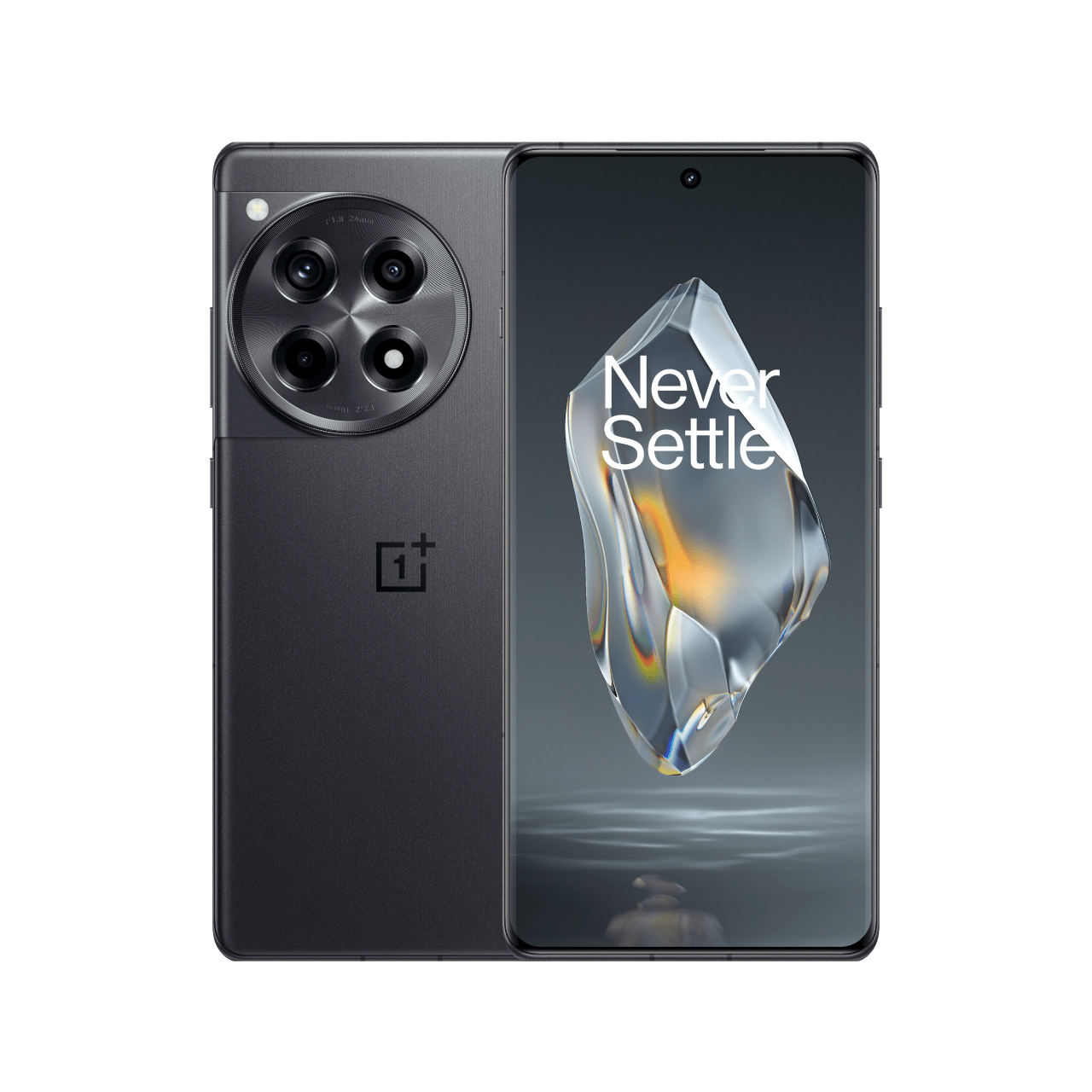
OnePlus spent years building phones for people who cared about speed, charging and clean software, while treating eSIM as somebody else’s problem. That has changed. The company’s recent flagships now support digital SIM profiles, making it easier to add a travel data plan, keep a home number active abroad or separate work and personal connectivity without opening the SIM tray.


There is, however, a OnePlus-shaped complication: support depends heavily on the exact model, sales region, carrier and software version. Two phones with similar names can have completely different eSIM capabilities. Buying an “R” model or a Nord because it looks close to the flagship can therefore produce an unpleasant surprise at the airport.

OnePlus finally joins in

The OnePlus 11 marked the company’s serious move into eSIM, and official specifications list support on the OnePlus 11, OnePlus 12, OnePlus 13 and OnePlus Open. The newer OnePlus 15 and OnePlus 15R also list eSIM support in official specifications. OnePlus repeatedly adds the warning that availability can vary with local carrier compatibility, which is not empty legal wording; regional hardware and operator certification still matter.

The awkward part is the cheaper branches of the family. The OnePlus 12R and 13R officially rely on dual nano-SIM slots, while the Nord 6 explicitly lists eSIM as unavailable. That makes “OnePlus supports eSIM” technically true but practically incomplete. The exception is the newer 15R, which shows that OnePlus may finally be extending the feature beyond its most expensive devices.

Models worth checking

The safest current choices are the OnePlus 15, 15R, 13, 12, 11 and Open, provided the specific regional version lists eSIM. Older OnePlus phones, most Nord models and the 12R or 13R should not be assumed compatible. Before purchasing a plan, open the phone’s settings and look for an eSIM or “Add eSIM” option. You can also check whether the device shows an EID, the unique identifier used for its embedded SIM.

This small check matters more than any generic compatibility list. Imported Chinese-market devices, carrier variants and phones running region-specific software may behave differently from European or North American models. A travel eSIM provider can sell a valid profile and still be unable to install it on hardware that lacks enabled eSIM support.

ONEPLUS

Setup without the theatre

On a compatible OnePlus, installation is straightforward. Connect to Wi-Fi, open Settings, enter the mobile-network or SIM-management area, choose the eSIM option and scan the QR code supplied by the operator or travel eSIM provider. OnePlus support documentation describes the route through “SIM card and mobile data” and “Manage eSIM Card,” although menu names can shift between OxygenOS releases.

READ MORE: eSIM Smartphones Hit 60% in Premium Market

After installation, label the plan clearly. “Home,” “Business” and “Thailand data” are much more useful than “SIM 1” and “SIM 2” when you are tired after a late flight. Select the travel eSIM for mobile data, keep the home line available for calls or verification messages, and disable data roaming on the home SIM unless your domestic package includes it. Data roaming normally needs to remain enabled on the travel eSIM because many international providers connect through partner networks.

Do not delete the profile immediately after a failed connection. First restart the phone, confirm that the correct line is selected for data, enable roaming on that line and try another available network manually. Some QR codes are single-use, so deleting the profile can turn a minor configuration problem into a support ticket.

Good for travel, with caveats

For travellers, eSIM turns a OnePlus flagship into a far more flexible device. A plan can be installed before departure, then activated after landing while the physical home SIM stays in place. That is especially useful for banking messages, WhatsApp registration, business calls and anyone who does not want to carry a tray pin through three airports.

It is less compelling for someone using an unsupported Nord or R-series model, or for customers whose mobile operator still requires store visits and replacement QR codes. Travellers who change phones frequently should also check the provider’s transfer rules. An eSIM is digital, but it is not automatically portable; moving it can still require carrier approval or a newly issued profile.

The OnePlus 15 raises another question. OnePlus markets dual eSIM, yet its UK product page still says the capability is scheduled through an over-the-air update. Until the relevant update is confirmed on a specific handset and region, buyers should distinguish between storing multiple profiles and keeping two eSIM lines active simultaneously.

More on Alertify
Follow the latest eSIM and smartphone news
New eSIM-enabled phones, device launches, compatibility updates, digital SIM features and the smartphone trends shaping mobile connectivity.


Explore news

The competitive gap

Apple and Samsung offer a more mature experience. Apple has supported two active eSIMs since the iPhone 13 generation, while Samsung’s Galaxy S26 series officially supports nano-SIM combinations and dual eSIM. Their broader operator relationships, clearer device lists and better-established transfer tools make compatibility easier to understand.

READ MORE: List of phones with eSIM support

Google’s Pixel line is another sensible alternative for travellers who prioritise eSIM management over charging speed or gaming performance. OnePlus still has a convincing proposition—excellent batteries, fast charging and flagship performance—but eSIM documentation remains fragmented across regional pages. A single global compatibility checker, showing model number, country, supported carriers and dual-active capability, would remove much of the uncertainty.

Conclusion

OnePlus is no longer behind because it lacks eSIM; it is behind because buyers still have to investigate what “supported” means. That distinction matters as eSIM moves from enthusiast feature to normal smartphone infrastructure. GSMA Intelligence expects global eSIM smartphone penetration to rise from 5% at the end of 2025 to 10% by the end of 2026, so vague regional support will become harder for manufacturers to defend.

For a OnePlus 13, 15 or Open owner, a travel eSIM is now practical and often preferable to buying plastic on arrival. For a Nord or older R-series owner, the answer may still be no. OnePlus has caught the market’s direction; its next task is consistency. Samsung, Apple and Google have made eSIM feel like part of the phone. OnePlus still sometimes makes it feel like a specification that needs an investigation.

Driven by wanderlust and a passion for tech, Sandra is the creative force behind Alertify. Love for exploration and discovery is what sparked the idea for Alertify, a product that likely combines Sandra’s technological expertise with the desire to simplify or enhance travel experiences in some way.