3 simple and effective tips for smartphone overheating problems
It’s quite hot outside as we’re in the height of summer. This extreme heat is here to stay because of climate change. That could be problematic because it also suggests that your smartphone may be overheating a little more frequently. overheating phone solution
We’ve compiled a list of some straightforward advice that will help you enjoy the summer without having to bring your smartphone in for repair or purchase a new phone because the old one is broken.
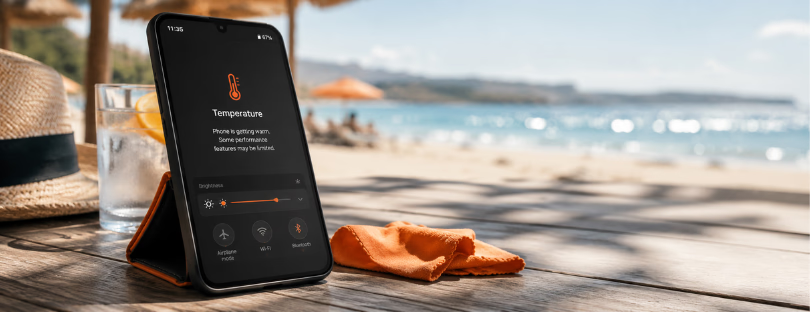
The majority of the time, whether an iPhone overheats or an Android smartphone, lowering the screen’s brightness and instantly disabling GPS, Bluetooth, and WiFi—even switching to airplane mode—will assist minimize the device’s energy requirements. Don’t ever place an overheated phone in the freezer or refrigerator.
Note that there are some important aspects that you must take into account, such as the age of the smartphone. The older it is, the more care is needed, particularly with regard to the battery, which, as it “ages” becomes more sensitive to issues such as higher temperatures.
Knowing the IP (Ingress Protection) degree of the equipment, that is, protection against water and against the intrusion of solid objects, can help to avoid unpleasant surprises. You can check this information in the instructions that come with the device, or on the manufacturer’s website.

Here it is important to bear in mind that, in the case of protection against water, the scale goes from 0 to 9. In the case of protection against solid objects, the scale goes from 0 to 6. In both cases, the higher the number, the higher will be the level of protection.
3 simple tips that make a difference
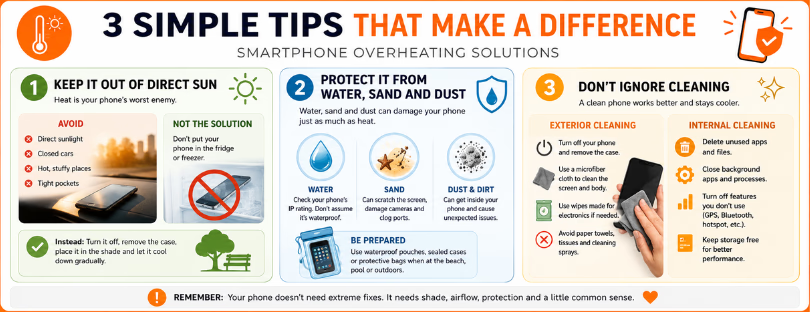
Keep it out of direct sun
One of the easiest ways to protect your smartphone in summer is also the most obvious: do not leave it baking in the sun. High temperatures can affect performance, drain the battery faster and, in more serious cases, damage sensitive components.
That means avoiding direct sunlight, hot windowsills, beach towels, dashboards and closed cars on very warm days. Even carrying your phone in a tight pocket for hours can make things worse, especially if the device is already warm from navigation, video recording or mobile data use.
And no, the fridge is not the solution. Putting an overheated phone in the refrigerator or freezer can cause a sudden temperature shock. That can lead to condensation inside the device, screen damage or problems with internal components. The safer move is simple: turn the phone off, remove the case if it traps heat, place it in the shade and let it cool down gradually.
Protect it from water, sand and dust
Summer is not just about heat. Water, sand, dust and dirt can be just as problematic for your phone.
Some smartphones can survive splashes or even brief contact with water, depending on their IP rating. But that does not mean every phone is “pool-proof”. The older the device, the more careful you should be, because seals can weaken over time and protection may not be as reliable as it once was.
Sand is another underestimated enemy. It can scratch the screen, damage camera lenses and get into ports, speakers or small openings. If you are going to the beach, pool or a dusty outdoor location, use a proper waterproof pouch, sealed case or protective bag. It is a small accessory that can save you from a very expensive repair.
Do not ignore cleaning
A clean phone is not just nicer to use. It can also help prevent small problems from becoming bigger ones.
Start by turning the phone off and removing the case. Then use a soft microfiber cloth to clean the screen and the outside of the device. If needed, use wipes specifically made for electronics or smartphones. Avoid paper towels, tissues and rough cloths, as they can scratch the surface. Also avoid household cleaning sprays, especially around ports, speakers and buttons.
Internal “cleaning” matters too. Too many unused apps, background processes, full storage and features left running can all make the phone work harder. In hot weather, that extra pressure can quickly push the device toward overheating. Delete apps you do not use, clear unnecessary files, close heavy background activity and turn off features such as GPS, Bluetooth or hotspot when you do not need them.
Your phone does not need dramatic cooling tricks. It needs shade, airflow, protection and a little common sense.