Seychelles, Africa: What Travel Guides Don’t Explain
When people say “Seychelles,” they usually mean one thing: honeymoon beaches, turquoise water, and those dramatic granite boulders that look like someone designed the coastline in a studio.
But Seychelles is also very much Africa, just offshore in the Indian Ocean, with its own identity, culture, and real-world logistics that will absolutely shape your trip if you ignore them. It’s an African island nation of 115 islands, with Victoria as the capital, and it sits roughly 1,500 km east of mainland Africa.
So let’s treat this like a proper Alertify-style travel news feature: what’s true, what’s hype, what actually matters when you land, and how to do Seychelles without turning it into an expensive photo mission.
The islands that matter for most travellers
Most first-timers do Seychelles as a three-island triangle:
- Mahé: the main island, airport, mountains, markets, and a wide range of hotels.
- Praslin: calmer, beachy, and home to Vallée de Mai, a UNESCO-listed palm forest.
- La Digue: slower, smaller, bike-friendly, and the classic “this can’t be real” beaches.
If you only have 5–7 days, don’t overcomplicate it. Pick two islands, not four. Moving around is easy by island standards, but you’ll still spend time checking in, hauling bags, syncing ferry times, and paying transfer costs.
For inter-island travel, you’ve got two practical options:
- Ferry (Cat Cocos): Mahé to Praslin is about 75 minutes, and Mahé to La Digue is typically 1h 45m via Praslin.
- Flight (Air Seychelles): Mahé to Praslin can be a quick 15-minute hop with aerial views that feel like a screensaver.
My rule: ferry if you’re cost-sensitive and travel light, flight if you get seasick, are tight on time, or just want the easy win.


When to go without getting weather-catfished
Seychelles is warm year-round, but the vibe changes with trade winds.
A common sweet spot is May to early October, when southeast trade winds bring drier conditions and a breeze that makes hiking and being outdoors feel nicer (even if the sea can be choppier in places).
If your priority is glassy water for snorkeling and calm lagoon days, you might prefer shoulder periods, but the honest truth is: Seychelles can deliver a great trip in most months. The bigger “risk” is not the weather, it’s picking the wrong beach for the conditions on the day (locals will tell you quickly which coast is behaving).
What to do that’s actually worth your time
Seychelles rewards travellers who do more than beach-hop.
Praslin’s UNESCO forest (Vallée de Mai) is the easiest “non-beach” yes. It’s a rare ecosystem and one of the places where the islands feel ancient, not curated. UNESCO highlights it for its unique palm forest ecology and processes like seed dispersal and pollination.
On La Digue, you’ll almost certainly end up at Anse Source d’Argent, and yes, it deserves the fame. It’s regularly described as one of the world’s most photographed beaches, and the setting really is that distinctive.
On Mahé, don’t sleep on hiking. The interior is green, steep, and surprisingly dramatic.
- If you want viewpoints, trails around Morne Seychellois National Park are a solid bet, and the park authority even lists entry fees and opening hours for popular sites.
- If you like a defined “classic” trail, Morne Blanc-style viewpoints are the kind of place where you suddenly understand why people keep returning.
Then there’s the water: snorkeling, diving, boat days, and island-hopping tours. My practical tip here is simple: don’t book everything upfront. Pick one “must-do” day, and keep flexibility for the day the sea looks perfect.
Quick-hit itinerary ideas
- 3–4 days: Mahé only (beach + hikes + Victoria market + one boat day)
- 5–7 days: Mahé + Praslin or Mahé + La Digue
- 8–12 days: Mahé + Praslin + La Digue (the classic, for a reason)
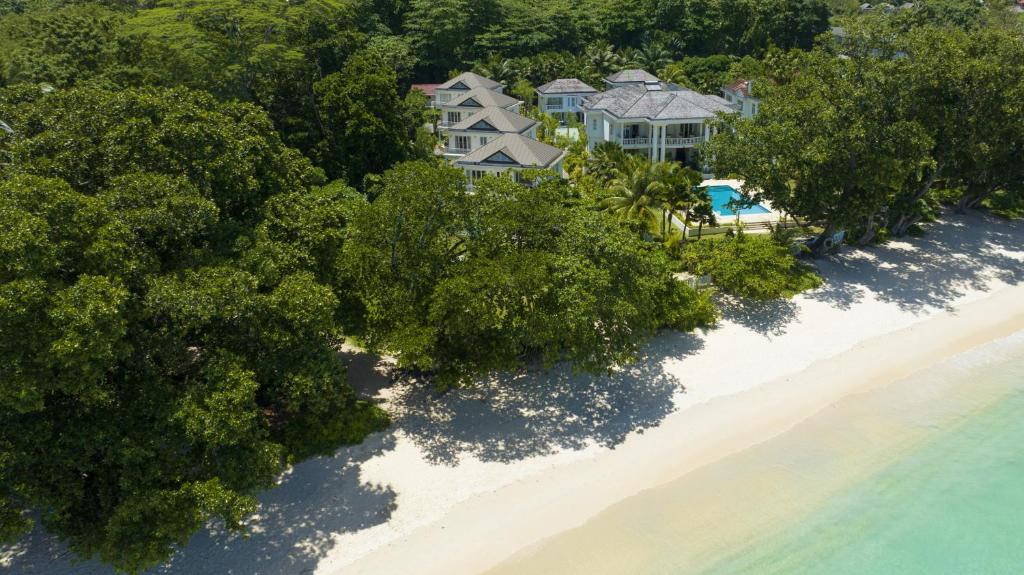
Accommodation that fits real travel styles
Seychelles has everything from high-end resorts to simple guesthouses, and where you stay changes your entire experience.
Best bases (simple and practical)
- Mahé:
-
Beau Vallon if you want an easy beach area with life around it.
-
Near Victoria if you want short transfers and a more local feel.
-
- Praslin:
-
Around Côte d’Or-type areas if you want convenient access and tours.
-
- La Digue:
-
-
Stay near the village zone so you can bike everywhere without feeling stranded at night.
-
What most people get wrong
They book a “dream resort” on one island, then realise they’ve basically paid to not explore. If your goal is to see multiple islands, mix it:
- a guesthouse or self-catering base for mobility
- plus 1–2 nights of “treat yourself” luxury if that’s your vibe
Also, Seychelles is not cheap. If budget matters, self-catering can genuinely help because restaurant costs add up fast.
Flights, routing, and one boring requirement you shouldn’t ignore
You’ll arrive at Seychelles International Airport on Mahé, and most travellers route via major hubs.
Before you go, pay attention to the entry rules. Seychelles requires travellers to have an Electronic Travel Authorisation before departure (commonly handled via the government portal/app flow).
This isn’t the fun part of travel planning, but it’s the part that can ruin your airport day if you ignore it.
The trend behind the postcards: Seychelles is leaning into conservation and premium travel
Here’s the bigger story that explains the price point and the positioning.
Seychelles has made high-profile commitments around marine protection, including a pledge tied to protecting 30% of its marine and coastal waters, with a scale cited as 400,000+ square kilometers.
At the same time, the market is clearly pushing toward premium experiences: new luxury openings and “eco-luxury” outer-island concepts are getting disproportionate attention, because they match what high-spend travellers want right now: privacy, nature, and a sustainability narrative that feels tangible.
This is also why Seychelles often gets compared with Mauritius and Maldives in the same breath, but it’s not a clone of either. Maldives sells the overwater fantasy. Mauritius sells a more developed resort-and-activities ecosystem. Seychelles sells rawer nature, dramatic landscapes, and island-hopping variety, and it’s increasingly packaging that as a premium, conservation-forward experience.
Conclusion
If you’re asking “Seychelles Africa” because you want to understand what makes it different, the answer is this: Seychelles is one of the rare destinations where the luxury branding is real, but the substance is the environment. The granite islands, the protected forests, the marine conservation push, the small scale. That’s the product.
And the trend line is clear. Seychelles is not racing to be the cheapest tropical escape. It’s doubling down on quality over volume, nature-led travel, and higher-value stays, the same directional play you’re seeing across other Indian Ocean competitors, just with a stronger “wild island” signature. Plan it like a smart traveller: fewer islands, better timing, one flexible “perfect sea day,” and accommodation that supports how you actually move.
If you do that, Seychelles stops being a postcard and becomes a place you can feel in your body: salt, heat, steep green trails, and beaches that look impossible, even when your phone camera fails to prove it.