Samsung Galaxy S26 Ultra: AI That Works for You
Samsung has officially unveiled the Galaxy S26 series, and this is not just another annual spec bump. With the S26, S26+, and S26 Ultra, the company is making a clear statement: AI is no longer a feature. It is the operating layer of the device. Samsung Galaxy S26 Ultra AI features
Positioned as Samsung’s third-generation AI smartphones, the Galaxy S26 lineup is designed to reduce friction. Fewer taps. Fewer switches between apps. Less searching. More results. The promise is simple but ambitious: your phone should understand what you want before you finish asking.
“We believe AI should be something people can rely on every day, designed to work consistently for everyone without requiring prior knowledge,” said TM Roh, CEO, President and Head of Device eXperience (DX) at Samsung Electronics. “With the Galaxy S26 series, we focused on making AI feel seamless, working quietly in the background so people can concentrate on what matters.”
That philosophy defines this launch.
AI That Actually Works in the Background
The Galaxy S26 series is engineered around proactive AI. Instead of treating artificial intelligence as a separate app or novelty tool, Samsung has embedded it deeply into the system.
Features like Now Nudge anticipate what you need based on context. If someone asks for photos from your last trip, the device suggests the relevant images instantly. If a meeting request lands in Messages, the phone checks your Calendar for conflicts. It is small, invisible automation that compounds into meaningful time savings.
Now Brief goes further. It delivers personalized reminders about bookings, travel updates, and key events, tailored to your day. The idea is subtle assistance, not intrusive notifications.
Search is also evolving. Circle to Search with Google now supports improved multi-object recognition. See an outfit you like? It can identify the jacket, shoes, and accessories in one interaction. It is less about novelty and more about collapsing steps.
Samsung has also expanded its conversational layer. An enhanced Bixby works alongside AI agents such as Gemini and Perplexity. Multi-step tasks like booking a taxi can be handled through natural language, with the system managing the workflow across apps.
This is the shift we have been tracking across the industry. Smartphones are becoming orchestration hubs, not just devices.
Performance Built for Persistent AI
AI is meaningless without hardware to sustain it. The Galaxy S26 series runs on a custom version of the Snapdragon 8 Elite Gen 5 Mobile Platform for Galaxy. On the S26 Ultra, Samsung claims up to a 19 percent CPU boost, 24 percent GPU uplift, and a 39 percent NPU performance increase compared to the previous generation.
The NPU improvement is particularly relevant. Always-on AI features require constant processing without draining battery or overheating. To support this, Samsung redesigned the vapor chamber and added thermal interface material along the processor’s sides for more efficient heat dissipation.
The result should be consistent performance during gaming, multitasking, or extended video capture.
Super Fast Charging 3.0 pushes the battery to 75 percent in roughly 30 minutes. That matters in a world where AI agents are always active in the background.
Samsung also introduces ProScaler and an upgraded mDNIe image engine. These enhancements sharpen text, refine textures, and deliver more precise color reproduction. It is incremental on paper but noticeable in everyday use.
A Camera System That Feels Integrated
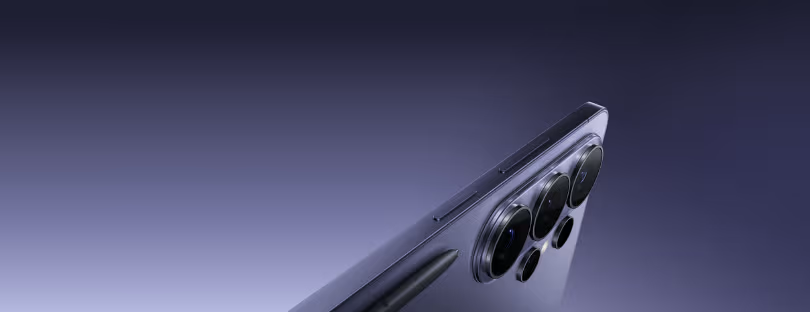
The Galaxy S26 Ultra continues Samsung’s reputation for industry-leading camera systems. Wider apertures allow more light into the sensor, improving low-light performance. Enhanced Video Nightography sharpens footage in challenging conditions like concerts or nighttime gatherings.
Super Steady now includes a horizontal lock option, helping maintain framing during motion-heavy scenes. The S26 Ultra also supports APV, a new pro-grade video codec optimized for high-quality production workflows with efficient compression.
For creators, that is a significant move. It positions the device closer to hybrid content production tools.
AI enhancements extend to editing. Photo Assist allows users to describe changes in natural language. Switch a scene from day to night. Add elements. Restore missing portions of an object. Even adjust outfits in photos. Editing becomes iterative and reversible, not destructive.
Creative Studio centralizes this process. Sketches, notes, and photos can be transformed into stickers, invitations, or wallpapers within one workspace. It reduces friction between idea and output.
And yes, practical tools are not forgotten. The built-in Document Scanner corrects distortions, removes wrinkles or fingerprints, and compiles multiple images into a single PDF automatically. In a remote-work world, that is quietly powerful.
Privacy at the Pixel Level
The headline innovation on the S26 Ultra is arguably its integrated Privacy Screen. Samsung claims this is the first mobile device to feature pixel-level privacy built directly into the display.
Unlike traditional physical privacy filters, this solution controls how pixels scatter light. When activated, side visibility is restricted without degrading the viewing experience for the user. It works in both portrait and landscape orientations.
Users can automate activation when entering passwords or opening selected apps. There are adjustable levels, from partial screen privacy for notifications to maximum privacy protection for full discretion.
In crowded environments like public transport or coffee shops, this is a tangible benefit.
Beyond the screen, Samsung expands AI-powered Call Screening, which identifies unknown callers and summarizes their intent. Privacy Alerts notify users when apps with administrator privileges attempt to access sensitive data.
Private Album allows selected media to be hidden directly within Gallery. And Samsung extends post-quantum cryptography protections to critical system processes, including firmware verification.
Knox Matrix updates add PQC-enabled encryption for services such as eSIM transfers. Samsung Knox, Knox Vault, and KEEP continue to anchor device-level protection.
With six years of security updates, Samsung is reinforcing long-term device viability.


Ecosystem Continuity
The experience extends beyond the handset. Paired with the new Galaxy Buds4 series, users can activate AI agents by voice and manage calls with head gestures on the Buds4 Pro.
The goal is continuity. Your device experience should not collapse when your phone is in your pocket.
Availability and Positioning
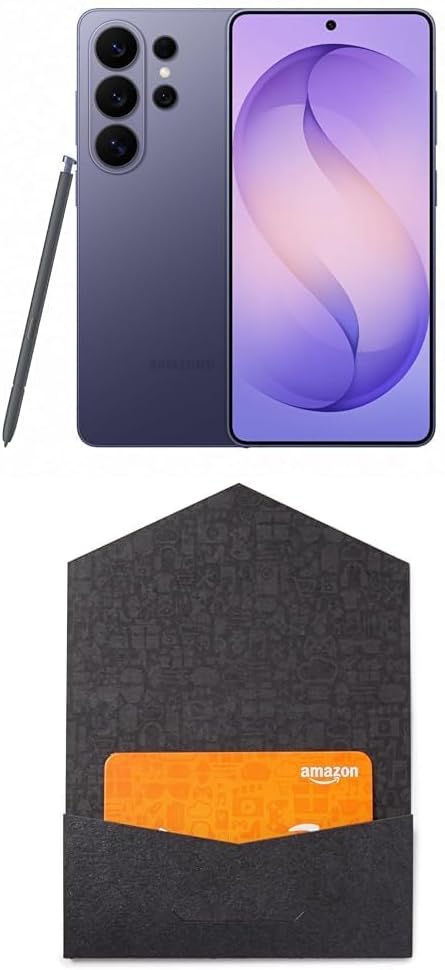
The Galaxy S26 Ultra, S26, and S26+ are available for pre-order starting February 25. Shared color options include Cobalt Violet, Black, and Sky Blue, alongside Samsung.com exclusives like Pink Gold and Silver Shadow. Trade-in programs and Samsung Care+ coverage are also available.
The Bigger Picture
The Galaxy S26 series arrives in a competitive landscape. Apple is doubling down on on-device intelligence and privacy layers. Google continues integrating Gemini deeply into its Pixel ecosystem. According to industry research from IDC and Counterpoint Research, AI-enabled smartphones are expected to account for a significant majority of premium device shipments within the next two years.
The differentiation is no longer camera megapixels or raw CPU benchmarks. It is orchestration, privacy, and sustained AI performance.
Samsung’s integrated Privacy Screen is a bold hardware-software statement. The multi-agent architecture signals a future where devices coordinate across services fluidly. The thermal and NPU enhancements show that Samsung understands AI is not a seasonal feature but a permanent workload.
The real question is whether consumers will notice the quiet intelligence. That is the paradox of successful AI. If it works, you barely see it.
Conclusion Samsung Galaxy S26 Ultra AI features
The Galaxy S26 series represents a maturation phase in the AI smartphone race. Rather than chasing flashy demos, Samsung is embedding intelligence into workflows, privacy into pixels, and performance into sustained daily use.
Compared to competitors, Samsung’s strength lies in integration across hardware, software, and ecosystem security. Apple emphasizes privacy-first AI. Google leads in cloud-integrated intelligence. Samsung is attempting to unify both approaches while introducing unique hardware innovations like the integrated Privacy Screen.
If industry trends continue, as highlighted by IDC and Gartner forecasts on AI-driven device adoption, smartphones will increasingly function as personal orchestration layers rather than isolated tools.
The Galaxy S26 series does not just add AI. It assumes AI is already the baseline and builds from there. The success of this strategy will depend not on how loudly it advertises intelligence, but on how invisibly it delivers it.
And that is the real test of the AI era.