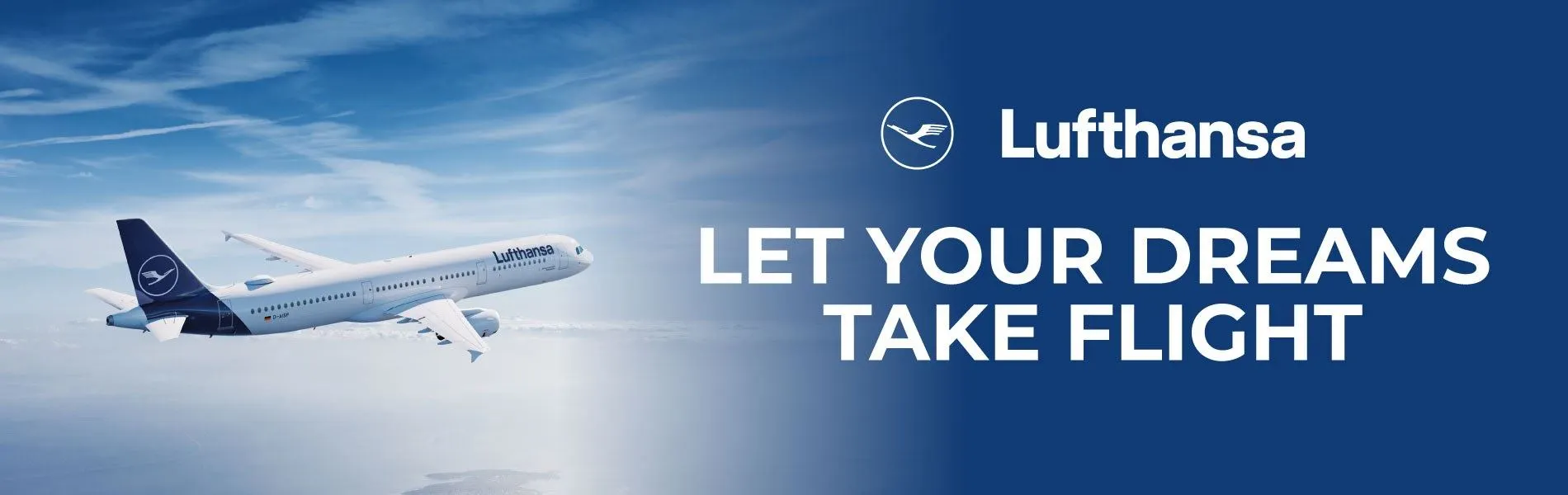
Lufthansa Adds Munich Stopover for US and Singapore Routes
There’s a quiet shift happening in how airlines think about “dead time” in travel. Layovers used to be something you tolerated. Now, they’re increasingly something airlines want to sell you.
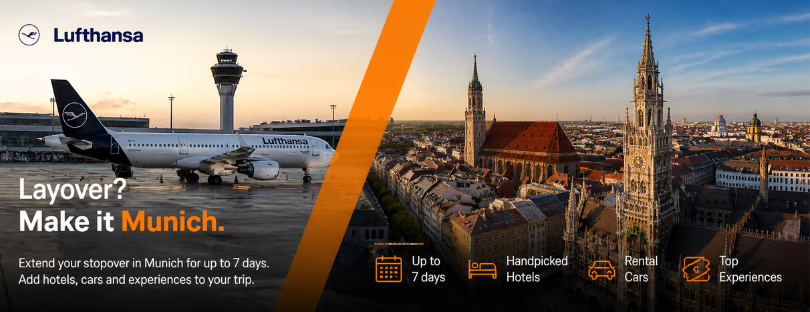
Lufthansa is the latest to lean into that idea, launching a new stopover program that turns a connection in Munich into a proper city stay. Instead of rushing through the airport, passengers on selected routes can now stretch their stopover into a stay of up to seven days.
It’s not positioned as a gimmick. Lufthansa is clearly trying to reframe the layover as part of the journey itself.
From the connection point to the destination
The rollout starts with long-haul routes connecting Singapore and the United States via Munich. During the booking process on Lufthansa’s website, passengers can choose to extend their stopover on either the outbound or return leg.
The flexibility is the real hook. You can stay for as little as 24 hours or as long as a week, depending on how you want to structure your trip. In practical terms, that means a standard long-haul itinerary can now double as a two-destination journey without the complexity of booking separate tickets.
There’s also a commercial layer underneath. Depending on the routing, a surcharge may apply. Lufthansa isn’t giving this away, but it’s packaging the value in a way that feels more like an upgrade than an added fee.
Travel packaging, airline-style
Where this gets more interesting is how Lufthansa is building the experience around the stopover.
After booking your flight, you can add hotels, rental cars, and activities in Munich through integrated partners. These add-ons become available within 24 hours of ticketing, essentially turning the airline into a lightweight travel platform.
This isn’t new in concept, but the execution matters. Airlines have historically struggled to sell anything beyond the seat. Bundling city experiences directly into the booking flow signals a more serious push toward owning a larger share of the travel journey.
Heiko Reitz, Member of the Lufthansa Airlines Board and Hub Manager Munich, framed it clearly:
“With our new stopover program, we are turning a layover in Munich into real added value for our guests. We are excited to give travelers the opportunity to flexibly incorporate one of Europe’s most attractive cities and regions into their journey, enhancing their flight with a truly personal travel experience.”
Why Munich, and why now?
Munich is a logical starting point. It’s one of Lufthansa’s strongest hubs, operationally efficient, and positioned close to high-value tourism regions like the Bavarian Alps.
But timing is just as important. Airlines are under pressure to increase revenue per passenger without relying purely on ticket prices. Ancillary revenue, from seat selection to onboard Wi-Fi, has been the go-to strategy for years. Stopovers are the next evolution of that thinking.
Instead of selling you extras during the flight, Lufthansa is selling you more reasons to extend your trip.
A wider industry trend
Lufthansa isn’t operating in a vacuum here. Stopover programs have been quietly gaining traction across the industry.
Carriers like Icelandair and Qatar Airways have been pushing similar concepts for years, offering passengers extended stays in Reykjavik or Doha at little to no additional airfare. Turkish Airlines goes even further, bundling free hotel stays in Istanbul for eligible long-haul passengers.
What’s different in Lufthansa’s case is the positioning. This isn’t framed as a promotional perk or a tourism push. It’s integrated directly into the booking flow as a standard option. That subtle shift matters because it normalizes the behavior.
At the same time, platforms like Google Flights have made multi-city itineraries easier to discover, and travelers are more comfortable building flexible routes. Lufthansa is essentially capturing that behavior inside its own ecosystem.
The real play: owning more of the journey
Look a bit closer, and this isn’t just about stopovers. It’s about control.
Airlines are increasingly trying to reduce their dependence on third-party platforms like OTAs. By embedding accommodation, transport, and experiences into their own booking environment, they keep both the customer relationship and the revenue in-house.
For Lufthansa, Munich becomes more than a hub. It becomes a monetizable destination layer.
There’s also a subtle loyalty angle. If you’ve had a good experience turning a connection into a city break, you’re more likely to choose the same airline again, especially if it consistently offers that flexibility across routes.
What this means for travelers
For frequent travelers, especially those flying long-haul, this kind of flexibility is genuinely useful.
Instead of cramming destinations into separate trips, you can split your journey more naturally. A business traveler heading to the U.S. could add a short stay in Munich without significantly complicating logistics. A leisure traveler flying from Singapore could turn Europe into a two-stop experience without paying for a full multi-city itinerary.
The friction is lower than it used to be. And that’s the key.

Where this could go next
Lufthansa has made it clear that this is just the starting point. The program will expand to additional routes and regions, with potential rollouts across other hubs in the Lufthansa Group.
If that happens, the model scales quickly. Frankfurt, Zurich, Vienna. Each hub becomes a potential stopover product.
And once that infrastructure is in place, the next logical step is personalization. Dynamic offers based on traveler profiles, trip purpose, and even past behavior.
Conclusion: more than a stopover, a shift in airline strategy
This isn’t really about Munich. It’s about how airlines are redefining their role in the travel ecosystem.
Stopover programs used to be marketing tools. Now they’re becoming product features. Lufthansa’s approach shows a more integrated, platform-driven mindset, closer to what we see from digital travel players than traditional carriers.
Compared to competitors like Icelandair or Turkish Airlines, Lufthansa is taking a more structured, scalable route. Less promotional, more embedded. That aligns with broader industry data from organizations like IATA, which has repeatedly highlighted ancillary revenue and digital retailing as key growth areas for airlines.
The bigger picture is this: airlines are no longer just selling transport. They’re trying to own the entire journey.
And if they get it right, the layover might quietly become one of the most valuable parts of the trip.