


Are Phone Makers Abandoning Cheap Smartphones? Average prices are set to hit $565 in 2026.
The global smartphone market is entering one of its stranger phases: fewer devices, higher prices and, somehow, more money in the system.
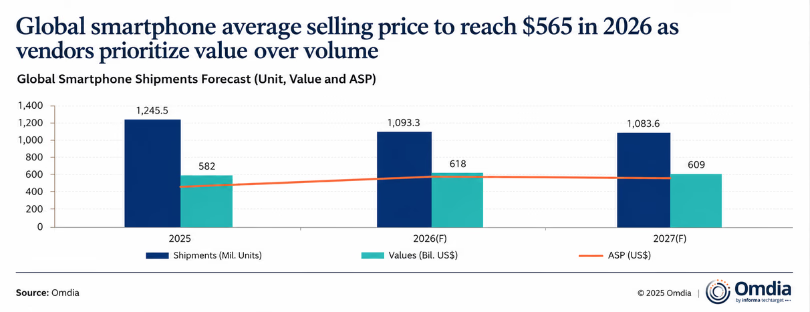
Omdia’s latest forecast says global smartphone shipments will fall 12.2% year on year in 2026, dropping to 1.093 billion units. That is 152 million fewer smartphones than in 2025. Yet total market value is still expected to rise by 6.1%. That is the real story. The industry is no longer chasing volume at any cost. It is chasing value.
The $100 phone problem
Omdia expects the global smartphone average selling price to jump from $467 in 2025 to $565 in 2026. That is a 21% increase, or $98 more per device, and Omdia describes it as an all-time high in both percentage growth and dollar value.
The main culprit is memory. Average DRAM and NAND flash memory prices rose by more than 80% quarter on quarter in Q1 2026, with further increases already recorded in Q2. Even if price increases slow later in the year, component costs are expected to remain structurally elevated.
That does not hurt every phone equally. On a flagship, higher component cost is painful but manageable. On a sub-$100 smartphone, it can break the business case. IDC has made a similar point, forecasting a historic 2026 contraction and warning that ultra-low-end smartphones may remain difficult to price competitively even after memory costs normalize.
For consumers, the next “budget” phone may quietly become less budget. For brands, the old trick of shipping huge volumes at thin margins becomes much riskier.
Why premium phones now look safer
To protect margins, major vendors are reducing low-end portfolios and shifting more production toward mid-range and high-end devices. This is not just premium positioning. It is survival math.
“The smartphone industry is currently going through a period of significant disruption, as vendors work to manage short-term component cost pressures as effectively as possible,” said Jusy Hong, Senior Research Manager at Omdia.
“Some vendors are gaining early-mover advantages by increasing component inventories to minimize the impact of future price hikes. Once the DRAM and NAND pricing starts to stabilize and plateau at a new level, the market is expected to enter a phase of stabilization, where the focus will shift back to other strategic priorities. This transition is expected towards the second half of 2027.”
Stockpiling components can protect vendors from future price shocks, but it can also become a burden if prices fall and competitors suddenly buy cheaper parts. Hong says the real readjustment phase may not arrive until early 2028, when supply capacity improves.
This is where smartphones start to look like PCs: consumer devices are being squeezed by AI infrastructure demand. Counterpoint Research also reported that global smartphone shipments fell 6% year on year in Q1 2026, with DRAM and NAND shortages pushing costs higher across OEMs.
Emerging markets will feel it first
The impact will not be evenly distributed. Developed markets, where consumers already buy more premium devices and accept higher prices, should be more resilient. Emerging markets in Africa, the Middle East and Latin America are more exposed because demand there relies heavily on low-cost smartphones.
There is a connectivity angle here. Cheaper smartphones helped expand mobile internet access, app usage, digital payments and, gradually, eSIM adoption where device support exists. If affordable smartphone growth slows, the digital divide risks becoming less about network coverage and more about device affordability.
Apple is the interesting exception in Omdia’s vendor pricing note, with most major brands except Apple raising new-generation smartphone prices. But Apple is not immune across its wider hardware portfolio. Reuters reported that Apple raised prices on MacBooks and iPads in June 2026 as memory costs surged, while keeping the iPhone protected for now.
Runar Bjorhovde, Omdia Principal Analyst for smartphones, says vendors are leaning on broader business models to defend resilience.
“The strongest position will be held by vendors that can capture additional high-value and high-margin streams from each user. This will typically include cross-selling other ecosystem devices, upselling services and subscriptions that increase the lifetime user value, and expanding opportunities to monetize the installed base.”
Conclusion
This is not just a bad year for smartphone shipments. It looks like a reset of what the smartphone business wants to be.
Samsung, Apple and the strongest Chinese vendors can live better in a premium-led market because they have ecosystems, services, wearables, tablets, financing and brand loyalty. Smaller local manufacturers may inherit more of the ultra-low-end segment, but that is not automatically an easy prize. Every dollar of component cost matters there.
For buyers, the smarter move may be less glamorous: keep a good phone longer, look at refurbished flagships, or choose a strong mid-range model rather than chasing the cheapest new device. Not everyone needs a premium phone, especially casual users who mostly need messaging, maps and mobile data while travelling.
Vendors also need to be more honest about pricing and support devices for longer. Sometimes a price rise is not innovation. It is memory, margin and market power.
The volume recovery may come in 2028. But the old smartphone market, where global brands happily fought for every low-end unit, may not come back in the same form.


