Smart tourism wearables are entering a transformative decade
The global smart tourism wearable market is gearing up for explosive growth — and the next ten years could redefine how we travel. New data from Research Intelo shows the market expanding from $3.8 billion in 2024 to $14.2 billion by 2033, a rapid climb driven by a powerful mix of traveler expectations, IoT maturity, and destination digitalization. With a 15.7% CAGR, wearables are shifting from niche travel accessories to core components of the tourism experience.
Travelers today expect journeys that are seamless, intuitive, and personal. They want digital tools that blend into their routines, help them navigate unfamiliar cities, support their safety, and unlock richer experiences. And that’s exactly where smart tourism wearables are proving indispensable — not only for travelers themselves, but for hospitality brands, tour operators, and smart cities building data-informed visitor ecosystems.
When travel meets intelligent technology
The travel sector is undergoing one of its biggest technology leaps in decades. We’ve already seen AI-assisted itineraries, frictionless bookings, and the rise of the fully digital travel journey. Now, the explosion of smart wearables marks the next stage.
Whether it’s a business traveler in Singapore relying on smart-glass directions, a backpacker in Peru using a translation-enabled smartwatch, or a family visiting Europe with safety wearables for children, these devices quietly support the entire journey. They’re becoming the invisible infrastructure that shapes modern mobility.
A market shaped by experience-first travel
What’s fueling this momentum? A shift in traveler priorities. Today’s global explorer values:
- Frictionless navigation in unfamiliar destinations
- Personalized, context-aware recommendations
- Real-time, hands-free access to travel information
- Health and safety transparency
- Seamless interaction with smart cities and tourism services
Combine this with rapid advances in IoT, AI assistance, and the development of 5G and soon 6G networks, and the wearables market is perfectly positioned for scale.

What exactly counts as a smart tourism wearable?
Smart tourism wearables are body-worn devices designed to plug travelers directly into digital ecosystems, tourism operators, and smart-city networks. They go far beyond fitness tracking — they interpret behaviors, improve decision-making, and enable a more intuitive travel flow.
Common categories include:
- Smartwatches and travel bands for navigation, translation, ticketing, and alerts
- Smart glasses and AR goggles for immersive city tours or real-time landmark overlays
- Smart clothing with biometric tracking or environmental sensors
- Smart rings and payment wearables supporting cashless travel
- Safety-focused wearables offering SOS alerts, fall detection, or geofencing
These aren’t just gadgets. They serve as real-time bridges between the traveler and the surrounding infrastructure.
Why wearables matter for the modern traveler
The promise is simple: less friction, more confidence, better experiences.
Wearables offer instant navigation cues, automatic translation, keyless hotel entry, smart-ticketing on public transport, seamless payments, and AI-powered recommendations synced to the traveler’s behavior, preferences, or even the weather. And on the safety side, wearables are becoming non-negotiables — offering local hazard alerts, medical monitoring on long-haul trips, SOS triggers, and safe zones for children or elderly travelers.
Safety and personalization are no longer “nice to have.” They’re shaping booking decisions, travel satisfaction, and brand loyalty.

Travel destinations evolve: smart cities meet smart wearables
Some countries are already building infrastructure that assumes wearables will become mainstream. Early adopters include Japan, South Korea, Singapore, the UAE, and Finland — all investing in:
- Connected and cashless mobility
- AR-enabled cultural attractions
- Digital tour guides
- Real-time crowd and visitor-flow management
For destinations, the advantage is significant: higher visitor satisfaction, better resource allocation, and richer data to inform planning. For travelers, it means smoother movement and deeper engagement with the places they explore.
Industry opportunities are expanding fast
Tourism boards, hospitality groups, and travel-tech companies are racing to integrate wearable-enabled services. Think:
- Hotels with wearable-powered check-in and room access
- Museums offering AR-guided tours via smart glasses
- Payment wearables designed for international travelers
- IoT-enabled parks and attractions
The market is moving from “optional add-ons” to “built-in infrastructure.” The economic impact will be felt across various sectors — from hardware manufacturers to software developers and destination marketing organizations.
Challenges to overcome
Like any emerging technology, there are hurdles: privacy concerns, device compatibility, battery performance, and cost. But advancements in micro-battery tech, local AI processing (edge AI), and next-generation networks are already easing these constraints. As prices fall, adoption will naturally accelerate.
The competitive landscape and where the market is heading
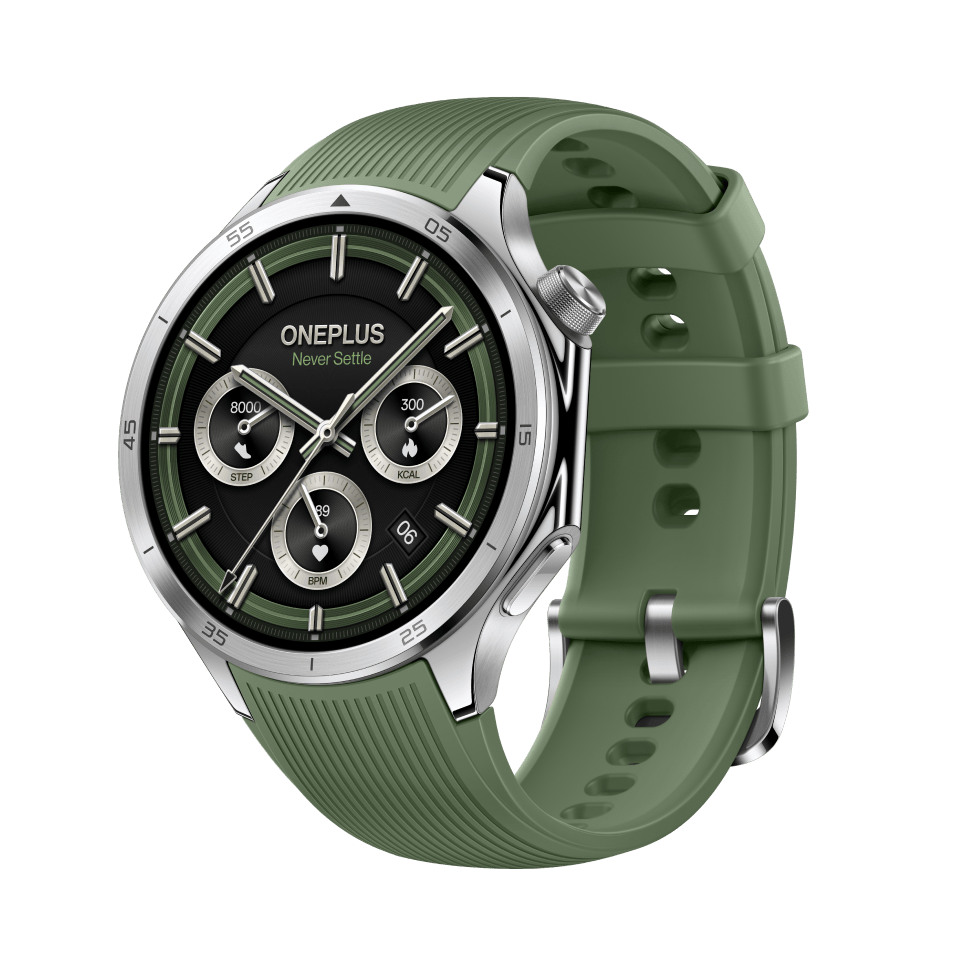
Leading global brands dominate today’s wearable space — including Apple, Samsung, Huawei, Garmin, Sony, Xiaomi, Suunto, Polar, Meta (Oculus), Vuzix, RealWear, and others. Travel-specific use cases are still early, but the foundation is being shaped by these players’ broader wearable ecosystems.
Conclusion: how this trend compares and what comes next
If we map tourism wearables against other travel-tech evolutions — such as eSIM adoption, biometric border control, or smart kiosks — the pattern is clear: once digital infrastructure improves and traveler expectations shift, adoption accelerates quickly. Wearables are now reaching that inflection point.
Countries investing in digital borders (like the EU), biometric travel identity, or fully cashless mobility are naturally aligned with the growth of wearable travel tech. Reliable sources like the UNWTO, WTTC, and IDC have repeatedly emphasized that personalization, safety, and seamless mobility will shape tourism competitiveness in the next decade — and wearables sit at the intersection of all three.
Smart tourism wearables won’t replace smartphones, but they will quietly take over functions where hands-free, real-time assistance matters most. And as 6G and AI-first devices emerge, wearables will shift from supportive tools to intelligent travel companions — integrating identity, payments, safety, and personalized guidance in ways today’s travelers can only partially imagine.
In short: the race is on, and destinations that embrace wearable-enabled tourism early will set the standard for the next era of global travel.