eSIM for Google Pixel
Google Pixel used to be the “clean Android” phone. Now it is also becoming one of the most important eSIM phones for travellers.
That matters more than it sounds.
For years, travel connectivity advice was simple: buy a local SIM, swap the card, hope you do not lose your home SIM in a hotel room, and maybe keep a paperclip somewhere in your passport wallet. eSIM changed that. But Pixel is interesting because Google is not treating eSIM as a niche feature anymore. It is building it deeper into the Android experience.
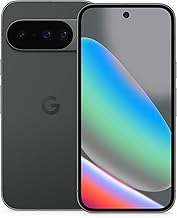
Google’s own Pixel support page now says that US models of the Pixel 10, Pixel 10 Pro and Pixel 10 Pro XL do not use physical SIMs at all. They are eSIM-only. That puts Pixel much closer to Apple’s direction with recent US iPhones, and it tells us something important about where premium smartphones are heading. Physical SIM slots are no longer guaranteed.
Supported Pixel Models
Google Pixel eSIM support includes Pixel 3, 3 XL, 3a, 3a XL, 4, 4 XL, 4a, 4a 5G, 5, 5a 5G, 6, 6 Pro, 6a, 7, 7 Pro, 7a, Fold, 8, 8 Pro, 8a, 9, 9 Pro, 9 Pro XL, and newer models.
eSIM-Only in the US
In the United States, Pixel 10, Pixel 10 Pro, and Pixel 10 Pro XL models are eSIM-only and do not include a physical SIM card tray.
Dual SIM Flexibility
Most Pixel phones, starting from Pixel 3, can use a physical SIM + eSIM. Pixel 7 and newer can use two eSIMs simultaneously, depending on carrier support.
What does eSIM mean on Pixel?
An eSIM is a digital SIM built into the phone. Instead of inserting a plastic card, you download a mobile plan onto the device. For Pixel users, that can mean activating a normal mobile plan, adding a second line, transferring a plan from another phone, or buying a travel eSIM before landing abroad.
Google says Pixel 4 and later models work with eSIM, although support still depends on the phone model, country and mobile carrier. Older Pixel models are more complicated. Pixel 3, Pixel 3a and Pixel 2 have limitations depending on where they were bought and which carrier sold them. The original Pixel from 2016 does not support eSIM.
That detail is important for travellers buying used phones. A Pixel 8, Pixel 9 or Pixel 10 is a very different eSIM experience from an older Pixel 3 bought through a specific carrier years ago. On newer Pixels, eSIM feels like part of the normal phone setup. On older ones, it can still feel like a compatibility puzzle.
Setup is getting easier
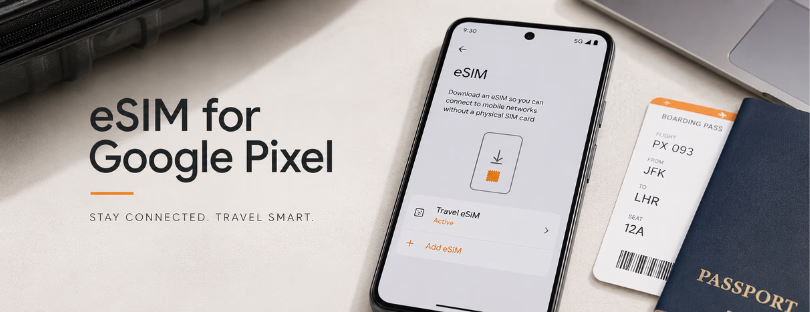
The practical setup is now fairly simple. Google says Pixel users can add an eSIM during phone setup or later through Settings. The path is: Network & internet, SIMs, Add SIM, then Set up an eSIM. In many cases, the carrier app or QR code handles the rest.
That sounds basic, but it is one of the big reasons Pixel matters in the travel eSIM market. The less “technical” the eSIM feels, the more likely normal travellers are to use it. Nobody wants to debug mobile settings in an airport queue. The best experience is almost boring: scan, install, switch on data roaming for that line, and move on.
Pixel also supports eSIM transfer between devices, depending on carrier support. Google says users can transfer a physical SIM or eSIM to an eSIM on a new phone during data transfer, or later from Settings. Automatic transfer requires Android 12 or later, current Google Play Services and a screen lock on both devices.
This is where the industry is heading: not just “download an eSIM”, but make mobile identity portable between devices. That is a much bigger shift.

Why Pixel is useful for travellers
For travel, Pixel’s eSIM advantage is not only about avoiding roaming bills. It is about control.
A traveller can keep their home number active for banking codes, WhatsApp, calls or emergency use, while using a travel eSIM for data. That is usually the cleanest setup. Your home line stays available, but the expensive roaming data goes off. Your travel eSIM becomes the data line.
Google also notes that users can have multiple eSIM profiles on the same phone and switch between lines or manage international plans while travelling. Worldwide eSIM providers offer plans in more than 190 countries and regions, and unlocked devices can use eSIM plans from other carriers or service providers.
This is exactly why Pixel is becoming relevant for frequent travellers, digital nomads and business users. You can keep a home line, add a regional plan for Europe, a separate plan for the US, or a country-specific plan for Japan, Turkey or the UAE. You are no longer locked into one plastic SIM card and one roaming agreement.
The catch: carrier support still matters
Here is the part that many eSIM guides gloss over: Pixel can support eSIM, but your carrier still has to support the right activation, transfer and plan options.
Google’s own support language is careful. Some phones can use eSIM depending on the phone and mobile carrier. If the eSIM is not detected during setup, users may need to activate it first through the carrier. If transfer fails, Google’s advice is to try again, and then contact the carrier if the issue persists.
That is not a Pixel weakness exactly. It is the reality of the eSIM market. The phone, operating system, carrier backend, QR activation flow, entitlement rules and customer support all have to work together. When they do, eSIM feels magical. When they do not, the user blames the phone.
For travellers, the safest rule is simple: install and test your eSIM before you leave, especially if it is your main data connection. Do not wait until you are standing at arrivals with 3% battery and no airport Wi-Fi.
Pixel versus iPhone and Samsung
Pixel is now in the same strategic conversation as iPhone and Samsung Galaxy.
Apple pushed the market hard by removing the SIM tray from US iPhone models. Samsung has broad eSIM support across many Galaxy flagships and foldables. Pixel’s role is slightly different: it gives Google a way to shape the native Android eSIM experience more directly.
That matters because Android is fragmented. A Samsung eSIM menu, a Pixel eSIM menu and a Xiaomi eSIM menu may not feel identical, even if the underlying technology is similar. Pixel is Google’s reference experience. When Google improves eSIM onboarding, transfer or dual-SIM management on Pixel, it can influence expectations across the Android ecosystem.
The GSMA describes eSIM as a global specification for remote SIM provisioning, allowing consumers to store multiple operator profiles on a device and switch between them remotely. In plain English: the SIM is becoming software. Pixel is one of the devices making that shift feel normal.
Final take
The big story is not “Pixel supports eSIM.” That is old news.
The real story is that Pixel is moving eSIM from a feature into the default mobile experience. With US Pixel 10 models going eSIM-only, Google is sending the same signal Apple already sent: the SIM tray is living on borrowed time in premium smartphones.
For travellers, this is mostly good news. Pixel makes it easier to carry multiple plans, separate home and travel data, and avoid the old SIM-card shuffle. But the experience is only as strong as the carrier support behind it. That is where the market still has work to do.
The winners in travel eSIM will not simply be the providers with the cheapest gigabytes. They will be the ones that work smoothly inside phones like Pixel, iPhone and Samsung Galaxy, with clean installation, reliable activation, simple transfers and support that does not collapse when the user is already abroad.
Pixel is not just another compatible device. It is a signpost. The next phase of travel connectivity will be won inside the phone settings, not at the SIM card counter.