Why ‘Plug-and-Play’ Doesn’t Work Yet for eSIM Travelers
Let’s be honest for a moment. eSIMs are supposed to be the ultimate travel hack. No waiting for shipping. No hunting for a SIM ejector pin in an airport lounge. No crouching on the floor trying not to drop a tiny plastic card.
Just scan a QR code and you’re online.
At least, that’s the promise.
In reality, the experience is often a bit… messier. The technology behind eSIM is genuinely impressive. But the user experience around it still hasn’t caught up. “Plug-and-play” sounds great in marketing copy, yet many travelers discover it’s closer to “scan, guess, troubleshoot, Google, and hope.”
So what’s going on? Why does a technology designed to simplify connectivity sometimes feel unnecessarily complicated?
Let’s break it down.
The Myth of the Magic QR Code
Most travel eSIM providers advertise the same simple process.
Buy a plan.
Scan a QR code.
Instant connection.
But there’s a detail rarely mentioned: there is no universal installation standard.
Some QR codes work only once.
Some expire after installation.
Some require your primary SIM to be disabled first.
Others install the profile but don’t automatically activate mobile data.
And occasionally, you receive the QR code on the same phone that needs to scan it, forcing you into the awkward ritual of opening the email on a laptop, tablet, or a second phone just to complete the installation.
What should take 30 seconds can easily turn into a small technical project.
The issue isn’t the eSIM itself. It’s the fragmented ecosystem around it.
Manual APN Setup Should Not Exist in 2026
Let’s talk about one of the most frustrating relics of the telecom world: manual APN configuration.
APN stands for Access Point Name. In simple terms, it tells your phone how to connect to the mobile network.
In an ideal eSIM environment, this should configure the moment the profile installs automatically. But surprisingly, some providers still require users to enter APN settings manually.
That means typing strange configuration strings into your phone’s network settings just to make mobile data work.
For a tech-savvy traveler, this might be mildly annoying. For the average tourist trying to get online in Bangkok, Rome, or Tokyo, it can be confusing enough to make them think the eSIM simply doesn’t work.
The irony is that the technology itself is modern. The setup process sometimes feels stuck in 2012.
A Wild West of Apps and Interfaces
Another reason eSIM onboarding feels inconsistent is simple: there is no unified user experience.
Every provider delivers and manages eSIMs differently.
Some apps guide you through installation with clear instructions and automated steps. Others send you a PDF with screenshots and hope for the best.
Some dashboards show real-time data usage and remaining balance. Others require logging into a web portal that looks like it hasn’t been updated in a decade.
Even activation can be unpredictable. Sometimes the eSIM installs but doesn’t connect to a network until you manually toggle settings. Sometimes the profile activates immediately. Sometimes it only activates once you land in the destination country.
None of this means the technology is broken. It simply shows that the customer experience layer hasn’t matured yet.
Device Compatibility Is Still Confusing
Another overlooked challenge is device compatibility.
While eSIM adoption is growing quickly, not all smartphones support it. And even among those that do, support can vary depending on the region where the phone was purchased.
Some Samsung models support eSIM only in specific markets. Certain carrier-locked devices have eSIM functionality disabled entirely. Many budget Android phones still lack eSIM support.
Even when a phone technically supports eSIM, the experience can vary dramatically between operating systems.
Apple’s iOS makes switching between SIM profiles relatively intuitive. Android implementations depend heavily on the manufacturer, meaning the same process might feel completely different on a Pixel, Samsung, or Xiaomi device.
In other words, “eSIM compatible” doesn’t always mean “eSIM simple.”
Travel Reality vs Marketing Promises
The real test of an eSIM isn’t installation. It’s what happens when you land in a new country.
You switch on your phone expecting instant connectivity and… nothing happens.
Sometimes the device doesn’t connect to the correct roaming partner network. Sometimes, mobile data roaming needs to be manually enabled for the eSIM profile. Occasionally, the primary SIM remains active and silently takes priority.
There are also cases where travelers discover too late that the plan they purchased doesn’t actually include the country they just arrived in, or that the validity period started earlier than expected.
These aren’t failures of the core technology. They’re failures of the user journey.
And for travelers standing in an airport with no connectivity, that distinction doesn’t matter.
When Something Breaks, Support Matters
Here’s the real moment of truth for any eSIM provider: when something goes wrong.
If the company offers fast, knowledgeable support, the issue is usually resolved quickly. If support is slow or difficult to reach, the frustration escalates fast.
Many travel eSIM businesses operate on affiliate-driven acquisition models. That often means the buying experience is highly optimized while post-purchase support receives less attention.
But in connectivity services, support is not a secondary feature. It is part of the product.
When your connection fails in a foreign country, the quality of support suddenly becomes the most important feature of the entire service.
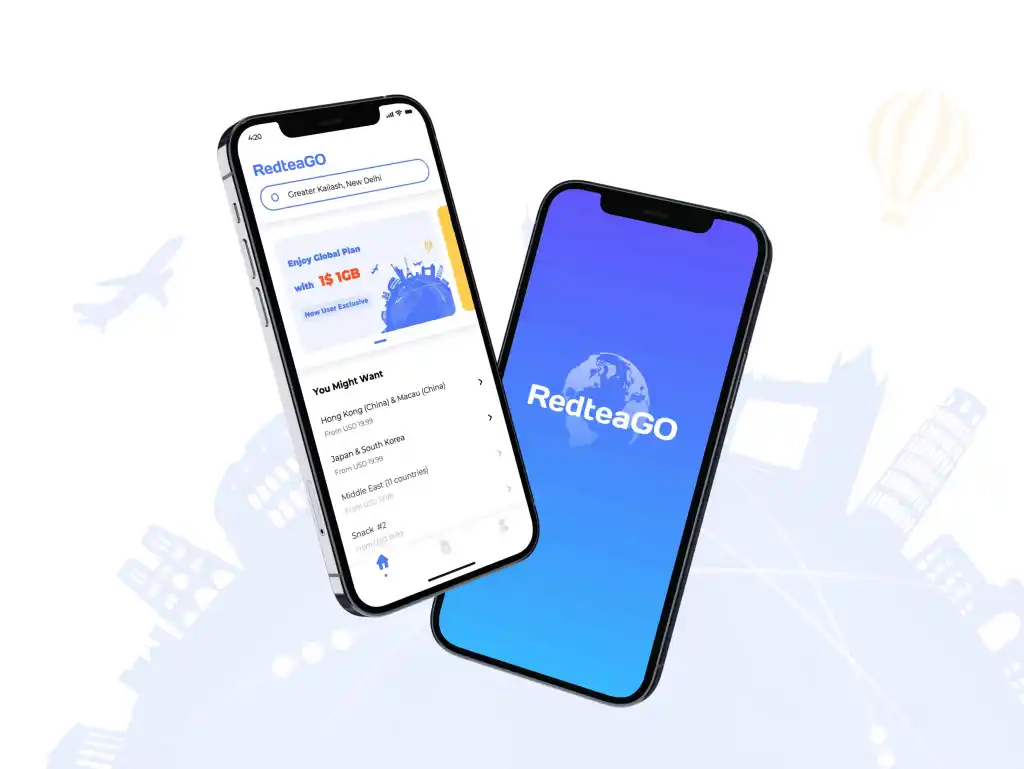

What the Industry Needs to Fix
The potential of eSIM technology is enormous. It eliminates physical SIM cards, reduces logistics costs, and can make global connectivity dramatically easier.
But the ecosystem still needs refinement.
To make eSIMs truly plug-and-play, several things need to improve.
Clearer and more standardized installation processes
Automatic APN configuration across all providers
Better device compatibility transparency before purchase
More intuitive apps and dashboards
Faster, more reliable real-time support
These are not technical barriers. They are experience design problems, and they can absolutely be solved.
The Bottom Line
Despite the friction, eSIMs remain one of the most promising innovations in travel connectivity.
They remove plastic, eliminate shipping delays, and give travelers the freedom to connect almost anywhere in the world within minutes.
But the industry still has some work to do before the experience fully matches the promise.
For now, think of eSIMs like early online banking or the first generation of airline apps. The core technology is powerful. The interface just hasn’t caught up yet.
When it does, travel connectivity will finally become what eSIM marketing has been promising all along:
simple, instant, and truly plug-and-play.