eUICC – The Hardware Foundation of eSIM Technology
In the evolving landscape of mobile connectivity, the embedded Universal Integrated Circuit Card (eUICC) stands as a critical technological component that has fundamentally transformed how devices connect to cellular networks. While the term “eSIM” has become widely recognized among consumers, the eUICC is the actual hardware that makes the eSIM functionality possible.
This article explores the eUICC in depth, examining its technical specifications, functionality, security features, and its pivotal role in the future of mobile connectivity.
Understanding eUICC: The Hardware Behind eSIM
The embedded Universal Integrated Circuit Card (eUICC) is the physical hardware component that hosts the eSIM software in devices. Unlike traditional removable SIM cards, the eUICC is permanently installed in the device during manufacturing, typically via surface-mount technology. It uses the same electrical interface as a conventional SIM card but comes in a significantly smaller form factor, typically measuring just 6 mm × 5 mm.
This miniaturization represents a substantial space reduction compared to even the smallest nano-SIM cards (which measure 8.8 mm × 12.3 mm), allowing device manufacturers to reclaim valuable internal space for other components or to create smaller, more compact devices.
The eUICC is essentially a secure element—a tamper-resistant platform capable of securely hosting applications and confidential data. It’s designed to meet rigorous security standards to protect the sensitive subscriber information and authentication keys it contains.
Technical Specifications and Manufacturing
The eUICC follows the specifications defined in the ISO/IEC 7816 standard, which governs the physical characteristics, electrical interface, and communication protocols for integrated circuit cards. However, unlike traditional SIM cards that come in various physical form factors (2FF, 3FF, 4FF), the eUICC typically uses a standardized form factor commonly designated as MFF2 (M2M Form Factor).
Key technical specifications of the eUICC include:
1. Physical Dimensions: Typically 6 mm × 5 mm, with a thickness of approximately 0.67 mm
2. Memory Capacity: Usually between 300KB to 1MB of secure memory
3. Processing Capabilities: Includes a secure microprocessor for cryptographic operations
4. Durability: Designed to last the entire lifetime of the device, with data retention of 10+ years
5. Temperature Tolerance: Wider operating temperature range than traditional SIMs, making them suitable for industrial applications


The manufacturing process for eUICCs involves specialized techniques to ensure security and reliability:
1. Wafer Production: Silicon wafers are produced with the microprocessor and memory components
2. Security Implementation: Cryptographic elements and security features are integrated
3. Testing: Rigorous testing for functionality and security compliance
4. Packaging: The chips are packaged in a format suitable for surface-mount technology
5. Programming: Each eUICC is programmed with a unique, permanent eUICC ID (EID)
How eUICC Functions
The eUICC serves as the secure hardware foundation for eSIM technology, enabling several key functions:
Secure Storage of Multiple Profiles
Unlike traditional SIM cards that can only store a single operator profile, the eUICC can securely store multiple operator profiles simultaneously. Each profile contains the necessary information to authenticate and connect to a specific mobile network, including:
– ICCID (Integrated Circuit Card Identifier)
– IMSI (International Mobile Subscriber Identity)
– Authentication keys
– Network-specific applications and parameters
Remote SIM Provisioning
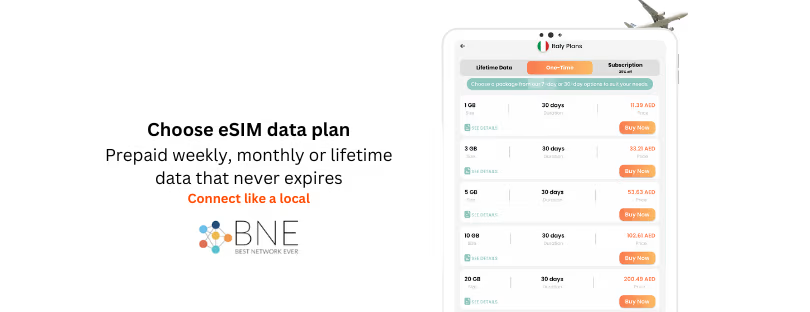
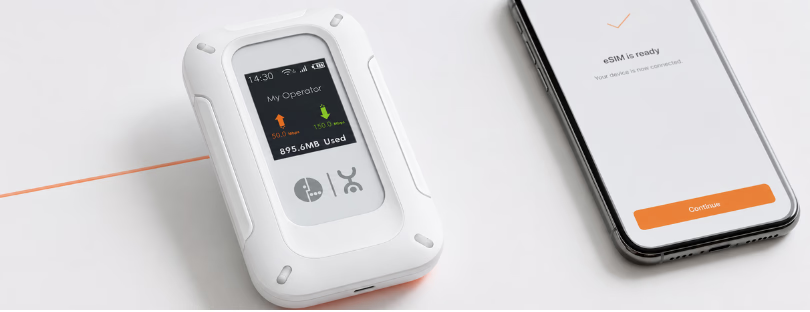
The eUICC enables Remote SIM Provisioning (RSP), the process that allows operator profiles to be downloaded, installed, enabled, disabled, and deleted over-the-air. This capability is what makes the eSIM concept possible, eliminating the need for physical SIM card swapping.
The RSP process involves several components:
1. SM-DP+ (Subscription Manager – Data Preparation): Securely prepares and protects operator profiles
2. SM-DS (Subscription Manager – Discovery Service): Helps devices locate the correct SM-DP+ when they need to download a profile
3. LPA (Local Profile Assistant): Software on the device that communicates with the eUICC to manage profiles
Secure Authentication
The eUICC performs the same authentication functions as a traditional SIM card, using cryptographic algorithms to securely authenticate the device to the mobile network. This includes:
1. Challenge-Response Authentication: The network sends a random challenge, and the eUICC computes a response using the stored authentication key
2. Key Agreement: Establishing session keys for encrypted communication
3. Subscriber Identity Protection: Protecting the IMSI and other subscriber identifiers
 eUICC vs. Traditional SIM Cards
 eUICC vs. Traditional SIM Cards
While the eUICC performs the same basic functions as a traditional SIM card, there are several key differences:
Physical Implementation
– Traditional SIM: Removable plastic card with an embedded chip
– eUICC: Chip directly soldered or embedded into the device’s circuit board
Profile Management
– Traditional SIM: Single operator profile, requires physical replacement to change operators
– eUICC: Multiple operator profiles can be stored, managed, and switched remotely
Lifespan
– Traditional SIM: Can be transferred between compatible devices
– eUICC: Permanently installed for the lifetime of the device
Form Factor
– Traditional SIM: Available in multiple standardized sizes (2FF, 3FF, 4FF)
– eUICC: Typically uses the MFF2 form factor, significantly smaller than even nano-SIMs
Provisioning
– Traditional SIM: Pre-provisioned by the operator before distribution
– eUICC: Can be provisioned remotely at any time during the device lifecycle
| Feature | Traditional SIM | eUICC (eSIM Hardware) |
|---|---|---|
| Physical Format | 2FF/3FF/4FF (removable) | MFF2 (embedded) |
| Profile Storage | Single | Multiple |
| Provisioning | Pre-loaded | Remote (OTA) |
| Replaceable? | Yes | No |
| Device Compatibility | Swappable | Device-specific |

Security Features of eUICC
Security is paramount for the eUICC, as it stores sensitive subscriber information and authentication keys. The eUICC incorporates multiple layers of security:
Hardware Security
1. Tamper Resistance: Physical security measures to prevent unauthorized access to the chip
2. Side-Channel Attack Protection: Countermeasures against power analysis, electromagnetic analysis, and timing attacks
3. Fault Injection Protection: Safeguards against attempts to induce errors to bypass security
Cryptographic Security
1. Secure Boot: Ensures only authorized software runs on the eUICC
2. Secure Channel: Encrypted communication for profile download and management
3. Key Isolation: Cryptographic separation between different operator profiles
4. Strong Encryption: Implementation of advanced encryption standards
Logical Security
1. Access Control: Strict control over which entities can perform which operations
2. Secure Domains: Separation between different applications and profiles
3. Audit Logging: Recording of security-relevant events
4. Lifecycle Management: Secure handling of the eUICC throughout its lifecycle
GSMA Standards and Certification
The Global System for Mobile Communications Association (GSMA) has developed comprehensive specifications for eUICC technology to ensure interoperability and security across the ecosystem. These specifications are divided into two main categories:
Consumer Devices Specification
The consumer specification (SGP.21, SGP.22) governs how eUICC should be implemented in consumer devices like smartphones, tablets, and wearables. It defines:
1. Architecture: The overall system architecture for consumer eSIM
2. RSP Procedures: Detailed procedures for remote SIM provisioning
3. Profile Package: Format and content of downloadable operator profiles
4. User Interface: Requirements for profile management interfaces
M2M Specification
The Machine-to-Machine specification (SGP.01, SGP.02) is designed for IoT and industrial applications. It includes:
1. Remote Provisioning Architecture: Framework for M2M applications
2. Technical Specification: Detailed technical requirements
3. Test Specifications: Conformance testing requirements
4. Security Assurance: Security requirements and evaluation methodology
To ensure compliance with these standards, eUICC manufacturers must undergo rigorous certification processes, including:
1. GSMA SAS-UP: Security Accreditation Scheme for UICC Production
2. Common Criteria: International standard (ISO/IEC 15408) for computer security certification
3. GSMA Compliance Assessment: Testing for interoperability and specification compliance
eUICC in Different Device Categories
The implementation and usage of eUICC vary across different device categories:
Smartphones
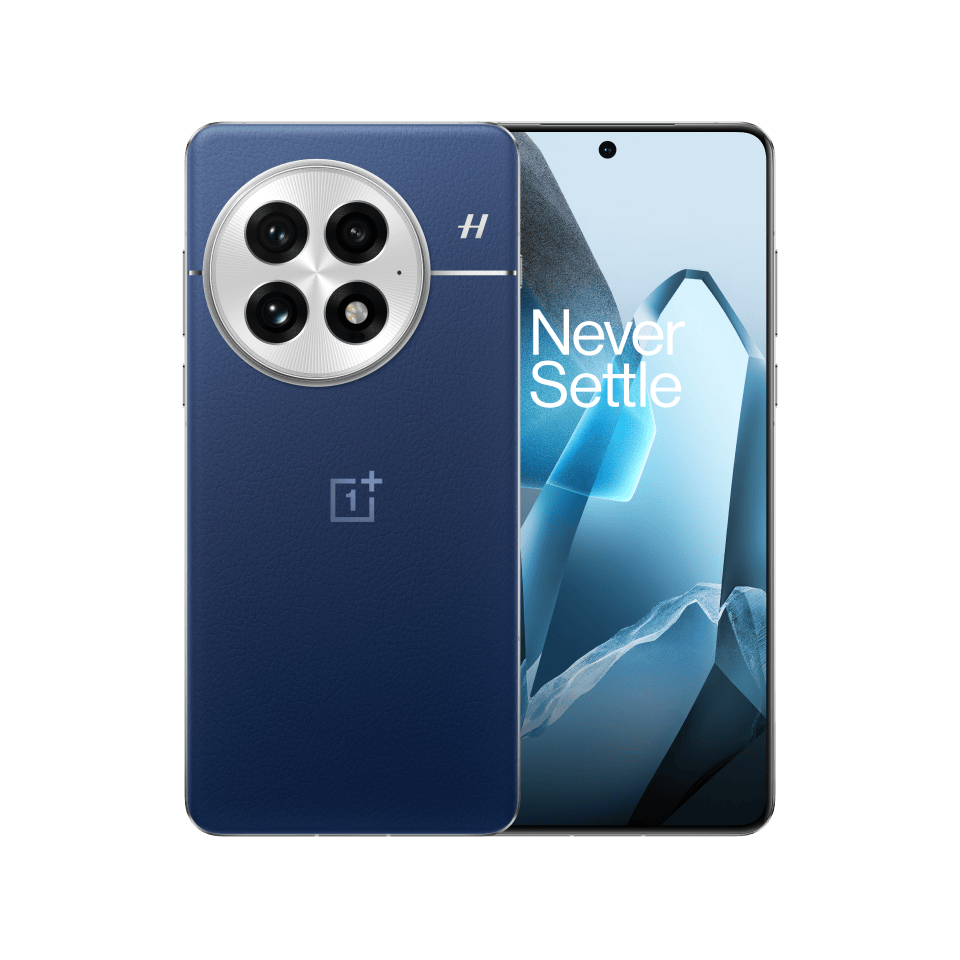
In smartphones, the eUICC typically coexists with a traditional SIM card slot, allowing users to have both a physical SIM and an eSIM active simultaneously (Dual SIM Dual Standby). However, some newer models, like the iPhone 14 in the US market, have transitioned to eSIM-only designs, relying entirely on the eUICC for cellular connectivity.
The smartphone implementation focuses on user-friendly profile management, typically through settings menus that allow users to download, activate, and switch between operator profiles.
Wearables
In smartwatches and other wearables, the eUICC has been revolutionary, enabling cellular connectivity in devices too small to accommodate traditional SIM cards. The Apple Watch, Samsung Galaxy Watch, and other cellular-enabled wearables use eUICC to provide independent connectivity without requiring a physical SIM card.
For wearables, the eUICC implementation often emphasizes power efficiency and simplified profile management, typically handled through a companion smartphone app.
IoT Devices
In IoT applications, the eUICC enables global deployment and remote management of connected devices. Industrial sensors, asset trackers, connected vehicles, and smart meters benefit from the ability to remotely provision and update connectivity profiles without physical intervention.
The IoT implementation of eUICC often prioritizes longevity, reliability, and automated profile management, with minimal or no user interface for profile management.
Challenges and Considerations
Despite its advantages, eUICC technology faces several challenges:
Technical Challenges
1. Power Consumption: The eUICC and its associated software can impact battery life, particularly in small IoT devices
2. Integration Complexity: Integrating eUICC into device designs requires specialized expertise
3. Testing and Certification: Ensuring compliance with GSMA specifications adds complexity to the development process
Ecosystem Challenges
1. Operator Support: Not all mobile operators support eSIM activation and management
2. Profile Portability: Transferring profiles between devices can be complex or impossible
3. Legacy Systems: Many backend systems were designed for traditional SIM cards
User Experience Challenges
1. Activation Process: The QR code-based activation process can be confusing for some users
2. Visibility: The embedded nature makes it difficult for users to identify issues with the eUICC
3. Device Transfer: Moving service to a new device is more complex than physically moving a SIM card
The Future of eUICC Technology
The eUICC represents an intermediate step in the evolution of SIM technology, with several developments on the horizon:
Integration with SoC: iSIM
The next evolution is the integrated SIM (iSIM), which integrates the secure element directly into the device’s System on Chip (SoC) or cellular modem. This approach further reduces space requirements, power consumption, and manufacturing costs.
Unlike the eUlCC, which is a separate chip, the iSIM is integrated at the silicon level, providing even greater miniaturization and efficiency benefits.
Enhanced Security Features
Future eUICC implementations will likely incorporate advanced security features:
1. Quantum-Resistant Cryptography: Preparing for the era of quantum computing
2. Biometric Integration: Tighter integration with device biometric security
3. AI-Based Threat Detection: Using artificial intelligence to identify and respond to security threats
Expanded Capabilities
The capabilities of eUICC are expected to expand beyond basic connectivity:
1. Identity Management: Serving as a secure element for digital identity credentials
2. Payment Applications: Supporting secure payment applications
3. Cross-Device Synchronization: Seamless profile sharing across a user’s devices
Conclusion
The eUlCC represents a fundamental shift in how devices connect to cellular networks, providing the hardware foundation that enables the flexibility and convenience of eSIM technology. Its small form factor, ability to store multiple profiles, and support for remote provisioning have made it an essential component in the evolution of mobile connectivity.
As devices continue to shrink in size and grow in capability, and as the Internet of Things expands to encompass billions of connected devices, the importance of eUICC technology will only increase. Understanding this critical component helps us appreciate the sophisticated technology that powers our increasingly connected world.
While consumers may continue to use the term “eSIM” to describe this technology, it’s the eUlCC that serves as the secure, versatile hardware foundation, making it all possible. As we look toward future innovations like iSIM, the principles pioneered with eUICC—remote provisioning, profile management, and miniaturization—will continue to shape the future of connectivity.