Something you buy before a trip, install on your phone, and forget about until the next flight.
This week’s move by TelecomsXChange (TCXC) and Airalo suggests something very different is happening behind the scenes.
Because this is not really about travel anymore.
It’s about infrastructure.
What actually happened
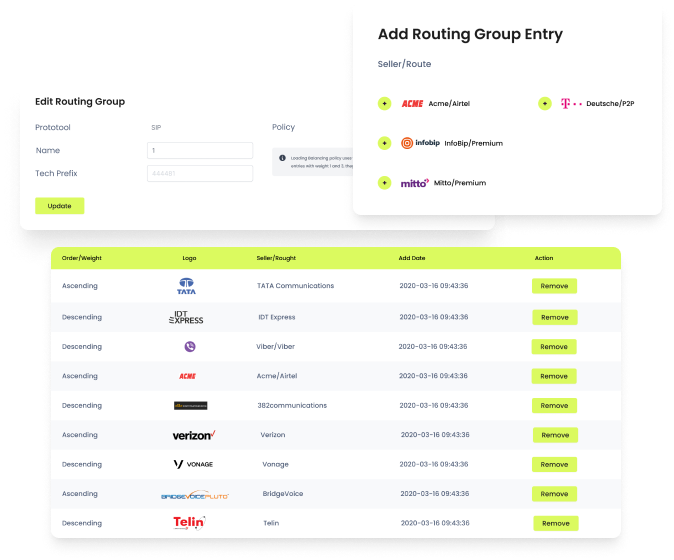
TelecomsXChange, a platform already known for wholesale telecom trading, has integrated Airalo’s eSIM inventory into its marketplace.
That means:
eSIM plans are now available inside a telecom exchange environment
Companies can search, buy, provision, and top up eSIMs via API
And most importantly, they can do it alongside other telecom services like voice and SMS
TCXC already operates a global marketplace where providers trade telecom services in real time, with billing and provisioning handled in one system
Now eSIM has been added to that same model.
This is the real story.
The shift nobody is talking about
This move confirms something we’ve been seeing for a while:
eSIM is quietly moving from:
a consumer product
to
a tradable telecom asset
TCXC itself describes this as launching a full eSIM exchange for wholesale connectivity, built on the same model that already works for voice and messaging
And that matters more than the partnership headline.
Because once something enters an exchange…
It starts behaving differently.
From API to marketplace
Let’s be honest for a second.
There is nothing new about eSIM APIs.
Airalo already offers:
API integrations
reseller platforms
enterprise solutions
global coverage across 200+ destinations
Thousands of companies are already using these tools.
So what’s different here?
The difference is where the product lives.
Instead of:
integrating directly with Airalo
Companies can now:
access eSIMs inside a multi-service telecom marketplace
That’s a shift from:
integration model → exchange model
Why this matters for telecom players
If you’re a telecom operator, CPaaS platform, or large-scale distributor, this simplifies everything.
Instead of:
negotiating with multiple providers
managing different APIs
handling fragmented billing
You get:
one entry point
one API layer
one commercial relationship
And importantly:
access to eSIM alongside voice, SMS, and numbering services
That kind of standardization is exactly what telecom has been moving toward for years.
Why does it feel underwhelming at first
If you’re operating in the eSIM space already, this might feel… ordinary.
Because:
APIs exist
aggregators exist
Multi-provider setups already exist
And you’d be right.
At a product level, nothing here is groundbreaking.
But this isn’t a product story.
It’s a market structure story.
eSIM is becoming a commodity
This is where it gets interesting.
When a product enters an exchange environment:
It becomes comparable
It becomes price-driven
It becomes interchangeable
That’s exactly what happened with:
voice routes
SMS termination
virtual numbers
And now:
eSIM is heading in the same direction
TCXC already enables real-time comparison and trading of telecom services across providers
Adding eSIM into that environment signals one thing clearly:
👉 differentiation will no longer come from access
When we asked whether eSIM is moving toward a commodity model within telecom exchanges, similar to voice and SMS, the TCXC answer was clear:
“Absolutely. We’ve already seen this transition play out with voice and messaging. They started as vertically integrated services, then became standardized, tradable units on the wholesale market. eSIM is following the same path, only faster because the infrastructure is digital and API-driven from day one. At TelecomsXChange (TCXC), we built the eSIM Exchange specifically for this. We’re already seeing buyers use a single account to source eSIMs from one provider for certain countries and a different provider for others, choosing based on coverage and pricing. In some cases, providers are even buying from each other, one sells inventory for regions where they’re strong and sources from a competitor where they’re not. It’s the same exchange model we’ve run for voice and messaging across hundreds of carriers, now extended to eSIM. The commodity model isn’t coming, it’s here.”
Players like TCXC, 1GLOBAL, CPaaS platforms Competing on:
scale
integration
distribution
Intelligence layer
This is where things get interesting
Competing on:
recommendation
trust
positioning
audience
This is where the real value starts shifting.
What does this say about the direction of the market?
The bigger picture is clear:
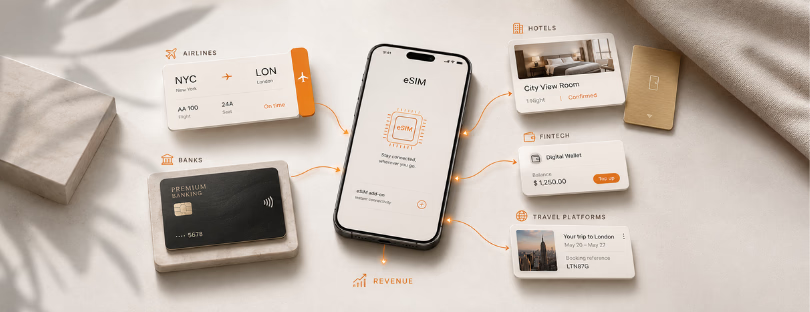
eSIM is no longer just a travel add-on
it’s becoming part of telecom infrastructure
and infrastructure always moves toward standardization
We’ve already seen:
fintech apps embedding eSIM
airlines bundling connectivity
enterprises managing connectivity centrally
Airalo alone works with thousands of partners across industries, from travel to fintech and telecom
This partnership simply accelerates that trend.
What to watch next
This move opens a few very real questions:
Will more eSIM providers join exchanges like TCXC?
Will pricing become more transparent and competitive?
Will distribution platforms start owning the market instead of brands?
And maybe the most important one:
Will users even know which provider they are using anymore?
The real takeaway
This is not a flashy launch.
It’s not a product breakthrough.
It’s something more subtle.
And more importantly.
A different kind of conclusion
If you compare this with the broader market, a pattern starts to emerge.
Airalo, Nomad, and others are still pushing retail growth and partnerships. Platforms like 1GLOBAL are pushing embedded telecom and API-first infrastructure. TCXC is pushing something else entirely — turning connectivity into something tradable.
Three different directions.
Same end goal.
Control distribution.
And that’s where the real battle will happen.
Because once eSIM becomes just another asset in a marketplace…
Driven by wanderlust and a passion for tech, Sandra is the creative force behind Alertify. Love for exploration and discovery is what sparked the idea for Alertify, a product that likely combines Sandra’s technological expertise with the desire to simplify or enhance travel experiences in some way.