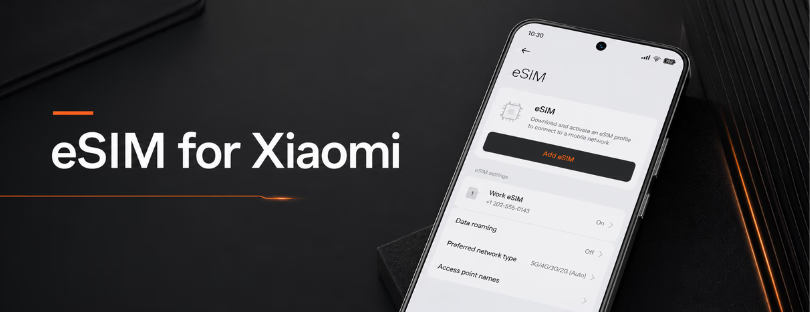
eSIM for Xiaomi
Xiaomi has become one of the most interesting Android brands for travellers. The phones are powerful, competitively priced and increasingly premium, but one feature now matters just as much as the camera or battery life: eSIM support.
An eSIM, short for embedded SIM, is a digital SIM built into your phone. Instead of inserting a plastic SIM card, you download a mobile plan directly onto the device. For travellers, that changes the whole experience. You can buy a data plan before your trip, activate it in minutes and avoid searching for a local SIM card after landing.
What is eSIM?
An eSIM works like a normal SIM card, but without the physical card. Your Xiaomi phone stores the mobile profile digitally, and your carrier or travel eSIM provider activates the plan remotely.
That means no SIM tray, no tiny pin, no risk of losing your main SIM while travelling, and no need to visit a carrier shop just to get connected. For frequent travellers, digital nomads and business users, that convenience is the real point.
Why eSIM is useful on Xiaomi phones
The biggest advantage is flexibility. With an eSIM-compatible Xiaomi phone, you can keep your main number active on your physical SIM and use an eSIM for travel data. That is especially useful if you want to receive banking codes, WhatsApp messages or business calls on your usual number while using a cheaper data plan abroad.
eSIM is also faster to set up. In many cases, you buy a plan online, scan a QR code and connect when you arrive. No airport kiosk, no language barrier, no surprise roaming bill.
It is also cleaner for people who use more than one mobile plan. You can store multiple eSIM profiles on supported Xiaomi models and switch between them when needed. For example, you might keep one plan for Europe, another for the United States and a third for business travel.
There is also a practical durability benefit. A physical SIM can be damaged, misplaced or forgotten in another phone. An eSIM profile lives inside the device, which makes it easier to manage once it is installed.
Which Xiaomi phones support eSIM?
Not every Xiaomi device supports eSIM, and compatibility can depend on the market version. Global and European models are more likely to support eSIM, while some China-only variants may not.
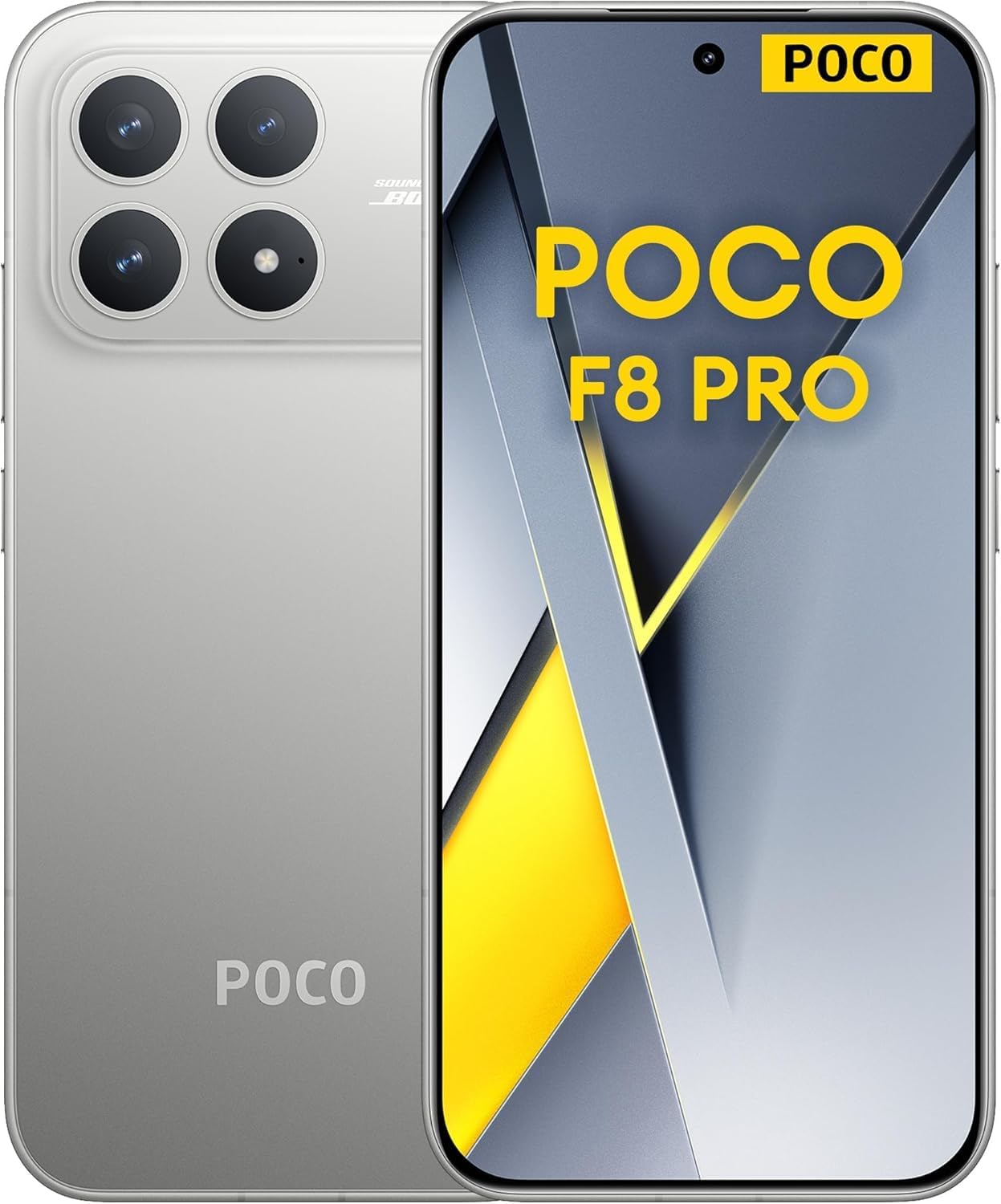
Common Xiaomi eSIM-compatible models include:
Important note: always check your exact model before buying a plan. A phone name alone is not always enough. The same Xiaomi model can have different regional versions, and eSIM may not appear in settings on every variant.
How to check if your Xiaomi supports eSIM?
The easiest way is to open your settings and look for the eSIM option.
- Go to Settings
- Open Mobile networks or SIM cards & mobile networks
- Look for eSIM or Turn on eSIM
- If the option appears, your device likely supports eSIM
You can also dial *#06# and check whether your phone shows an EID number. The EID is linked to eSIM functionality. If there is no EID, your device may not support eSIM.
How to activate eSIM on Xiaomi
The activation process is usually simple, but the wording may vary slightly depending on your Xiaomi model and HyperOS version.
First, buy an eSIM plan from your carrier or travel eSIM provider. After purchase, you will usually receive a QR code or activation details by email or inside the provider’s app.
Then follow these steps:
- Open Settings
- Tap Mobile networks
- Enable Turn on eSIM if needed
- Tap Add eSIM or Add mobile plan
- Scan the QR code from your provider
- Follow the on-screen instructions
- Choose whether the eSIM is used for data, calls or SMS
- Turn on data roaming if your travel eSIM requires it
Once installed, you can rename the plan. For example, use labels such as “Home SIM”, “Europe data” or “Japan trip”. This makes it easier to avoid using the wrong plan while travelling.
Using Xiaomi dual SIM with eSIM
Most travellers will use Xiaomi eSIM in a dual SIM setup. The physical SIM stays in the phone for your main number, while the eSIM handles mobile data abroad.
This is the setup many people want: your home number remains reachable, but your travel data comes from a local or regional eSIM plan. It is one of the simplest ways to avoid roaming shock without giving up your regular number.
Before you travel, install the eSIM on Wi-Fi, check that it appears in your mobile network settings, and only activate the travel data line when you need it. Some plans start immediately after installation, while others start when they first connect to a supported network, so read the validity rules carefully.
Best uses for eSIM on Xiaomi
eSIM is especially useful for short city breaks, multi-country trips, business travel and remote work. It is also practical for people who want to separate personal and work connectivity without carrying two phones.
For Europe, a regional eSIM can be easier than buying a separate local SIM in every country. For long-haul trips, eSIM helps you connect before leaving the airport. For business users, it reduces small but annoying friction: receipts, reimbursement, local SIM registration and unpredictable roaming add-ons.
Conclusion
Xiaomi’s eSIM support has moved from a niche feature to something travellers should actively look for when buying a phone. Models such as the Xiaomi 13, 14 and 15 series, along with selected T-series, Redmi and POCO devices, make it easier to connect abroad without relying on physical SIM cards.
The only caution is compatibility. Check your exact Xiaomi version, confirm that eSIM appears in settings and make sure your provider supports your destination before you buy.
For travellers, that small check is worth it. Once eSIM is working on a Xiaomi phone, connectivity becomes much simpler: install the plan, land, switch on data and move on with the trip.