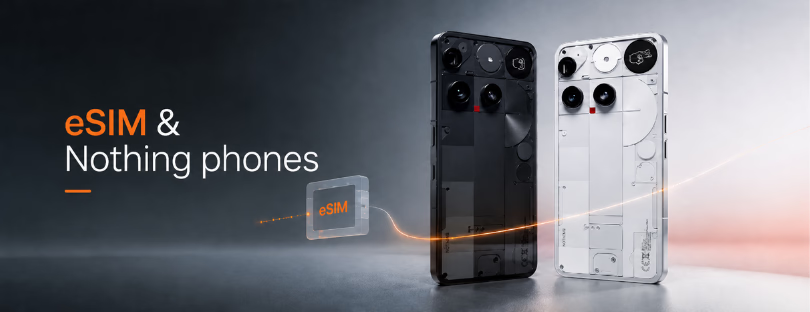
eSIM for Nothing Phone: Which Models Support It?
Nothing phones have always been good at one thing: looking different. The transparent design, Glyph lights, clean software and slightly rebellious brand voice made the company stand out in a smartphone market where many devices now feel like variations of the same black rectangle.
But for frequent travellers, one missing feature kept coming up again and again: eSIM.
That is why the Nothing Phone eSIM question matters more than it may seem at first. This is not just a spec sheet detail. For people who travel often, switch networks, test data plans, work abroad or simply hate airport SIM kiosks, eSIM support can change the whole experience of owning a phone.
With the Phone (3), Nothing finally moves closer to what travellers expect from a modern flagship. The device supports eSIM natively, which means users can install a mobile plan digitally without inserting a physical SIM card. That brings Nothing into the same practical conversation as Google Pixel, Samsung Galaxy and iPhone models that have treated eSIM as a serious travel feature for years.
The confusing part
Here is where Nothing’s eSIM story becomes less clean.
Not every Nothing phone supports eSIM. In fact, support depends heavily on the model and, in some cases, the region where the phone was sold.
The Phone (3) supports eSIM. That is the simple part. The Phone (2), despite being a strong device in many other ways, does not support eSIM. The Phone (2a) also does not support it. For users who bought those models expecting a future software update to unlock eSIM, that is disappointing, because this is usually a hardware and certification issue, not just a missing menu button.
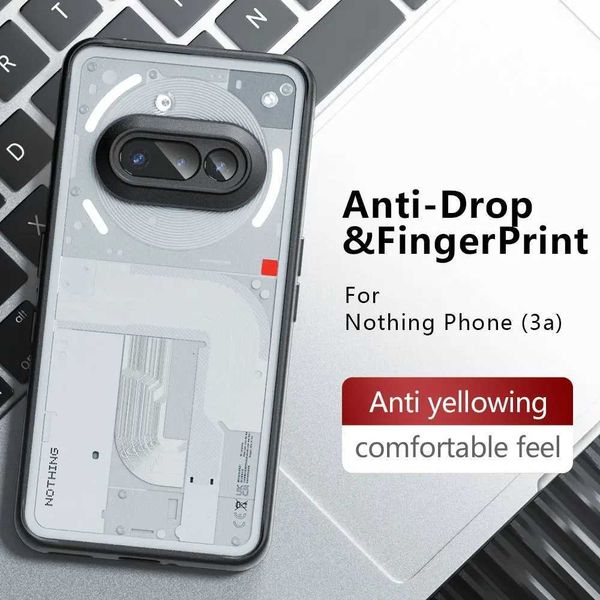
The Phone (3a) situation is more regional. Nothing’s own support information says eSIM support is limited to versions sold in Japan. That means someone buying a Phone (3a) in Europe, India or another market should not assume eSIM will be available just because the phone name looks similar.
This is exactly where many travellers get caught. They search “Nothing Phone eSIM”, see one supported model, and assume the whole lineup works the same way. It does not.
Why travellers care
For casual users who stay mostly in one country, eSIM may still feel optional. You insert a physical SIM, forget about it, and move on.
For travellers, it is different.
An eSIM lets you install a travel data plan before departure, land in another country, turn off airplane mode and connect without hunting for Wi-Fi. You can keep your home SIM active for calls or banking messages while using the eSIM for data. On supported phones, it also makes it easier to compare providers, switch plans and avoid paying high roaming rates just because the airport kiosk was the first option available.
This is especially useful for Nothing’s audience. The brand attracts younger, tech-curious users, digital workers, design-focused buyers and Android fans who do not want the obvious Samsung or iPhone choice. Many of those users travel, test apps, work remotely or use multiple mobile services. For them, eSIM is not luxury. It is part of how a modern phone should behave.
How to activate eSIM on a supported Nothing phone
If your Nothing model supports eSIM, activation is usually simple. First, make sure your phone is connected to Wi-Fi. Then open Settings, go to Network & internet, tap SIMs, and choose Add eSIM or Download a SIM instead?. Your phone will then ask you to scan the QR code provided by your carrier or travel eSIM provider.
After the eSIM is installed, check your SIM preferences. Choose which SIM should handle mobile data, calls and SMS. This step is easy to miss, especially if you are keeping your physical SIM active for your home number while using the eSIM only for travel data.
Before travelling, install the eSIM while you still have a stable connection. Also check when the plan validity starts. Some travel eSIMs begin when installed, while others start only when the eSIM first connects to a supported network abroad.
What if your Nothing phone has no eSIM?
If you own a Phone (2), Phone (2a), or a regional Nothing model without native eSIM, you still have a workaround, but it is not as elegant.
Programmable physical SIM products such as eSIM.me or 5ber can act as a bridge. You insert the physical card into your phone, then manage downloadable eSIM profiles through the provider’s app. To the phone, it behaves like a physical SIM. To the user, it gives some of the flexibility of eSIM.
This can be useful for enthusiasts, testers and frequent travellers who really want eSIM-style flexibility on a non-eSIM phone. But it is not the same as native eSIM. There is another app involved, compatibility can vary, and support may be less predictable than using a phone with built-in eSIM hardware.
For most people, if eSIM is a must-have feature, the cleaner answer is simple: buy a model that supports it natively.
A small feature with big positioning
Nothing is trying to play in the premium Android space without becoming boring. That is not easy. Design gets attention, but practical features keep people using the phone.
This is where eSIM matters strategically. Apple pushed the market forward by going eSIM-only on some iPhone models in the US. Google Pixel has long been strong for travellers who want flexible connectivity. Samsung has made eSIM widely available across many flagship and upper-midrange devices, although support still varies by market.
Nothing can not afford to be vague here. If the brand wants to attract globally mobile users, creators, remote workers and business travellers, eSIM support should become clearer across the lineup. The Phone (3) is a good step. But the model-by-model confusion is still not ideal.
The real takeaway
The Nothing Phone (3) is the safest Nothing choice if eSIM is important to you. It finally gives the brand a proper answer for travellers who want digital connectivity without carrying backup SIM cards or depending on roaming.
But this is not yet a universal Nothing feature. Phone (2) and Phone (2a) users are out of luck natively, and Phone (3a) buyers need to check the exact regional version before assuming anything.
That is the bigger story. eSIM is no longer a nice extra for premium phones. It is becoming part of the travel-readiness test. Nothing has started to pass that test with Phone (3), but now it needs to make the answer simpler across the rest of the range.