Japan Tests Free eSIM for Tourists via Tax Refund
KDDI Corporation and Ocean Inc. have teamed up to offer free eSIM data to inbound travellers. On paper, it’s a simple campaign. In reality, it’s a signal of where travel connectivity, retail, and digital infrastructure are heading next.
Starting April 30, 2026, visitors using Ocean Tax Refund can receive a promo code for “Unlimited data (24 hours)” via povo2.0’s “Japan SIM.” The idea is straightforward: give travellers instant connectivity, right when they need it most, tied directly to their shopping and tax refund journey.
But the timing here matters more than the offer itself.
Connectivity becomes part of the arrival experience
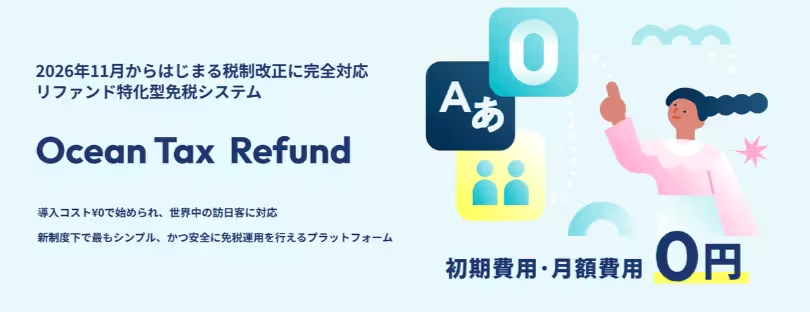
Japan is preparing for a major shift. From November 2026, the country will transition to a new tax refund system that requires more digital interaction, including smartphone-based refund processes.
That creates friction. And friction, in travel, kills conversion.
This is where connectivity steps in. By bundling a free eSIM with the tax refund platform, KDDI and Ocean are solving a very practical problem: you cannot digitize the tourist journey if the tourist is offline.
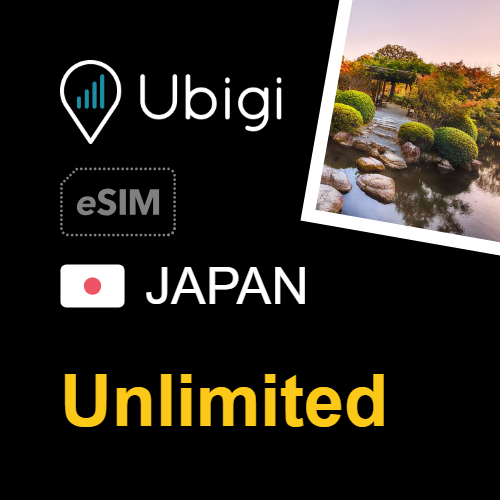
The “Japan SIM” itself is not groundbreaking in isolation. It’s a data-only eSIM that supports 5G on KDDI’s au network, can be installed before arrival, and activated instantly. Users can choose from eight paid “toppings,” ranging from small fixed data plans like 3GB for three days to unlimited data options lasting up to seven days.
What’s new is the positioning. Connectivity is no longer a separate purchase. It’s embedded into the experience.
The real play is earlier in the journey
Ocean’s move is particularly strategic.
Traditionally, tax-free platforms engage travellers late, usually in-store or at the airport. By offering an eSIM tied to pre-registration, Ocean shifts that interaction to the trip planning phase.
That’s a big deal.
It means:
- First touchpoint happens before arrival
- Retail discovery can start earlier
- Store visits can be influenced in advance
This is closer to what airlines and OTAs have been doing for years: owning the customer journey before the trip even begins.
And it highlights something the eSIM industry still struggles with. Distribution beats product.
Not just about free data
Let’s be honest. A free 24-hour unlimited plan is not a major cost. For most operators, it’s a marketing expense.
The value here is behavioural.
By giving travellers immediate connectivity:
- You reduce drop-offs during tax refund flows
- You increase the likelihood of app usage
- You improve conversion rates for partner merchants
For Ocean’s retail partners, this could directly impact revenue. A smoother tax-free process means fewer abandoned purchases and more completed transactions.
For KDDI, it’s a smart acquisition funnel. Instead of competing in crowded eSIM marketplaces, they acquire users through a contextual use case with high intent.
How does this compare to the broader eSIM market?
Most travel eSIM providers still compete on the same axes:
- Price per GB
- Number of destinations
- “Unlimited” marketing claims
Players like Airalo, Holafly, and Nomad eSIM have built strong distribution through app stores, SEO, and partnerships.
But their model is still transactional. You search, compare, buy.
What KDDI and Ocean are testing is different. It’s embedded connectivity tied to a specific moment in the travel journey.
We’ve seen early versions of this elsewhere:
- Airlines bundling eSIMs during booking or check-in
- Banks exploring connectivity as part of premium travel cards
- Travel apps integrating data plans as add-ons
According to GSMA, eSIM adoption is expected to accelerate significantly over the next few years, particularly in travel and IoT segments. But adoption alone does not define winners. Distribution and integration do.
That’s where this Japanese model stands out.
A quiet shift toward “connectivity infrastructure”
There’s also a deeper layer here.
KDDI is not positioning povo2.0 as a travel product. It’s acting more like a connectivity layer that can be plugged into other services.
That aligns with a broader trend across telecom. Connectivity is becoming API-driven, embedded, and invisible to the end user.
In this model:
- The traveller doesn’t “buy an eSIM”
- They simply stay connected throughout their journey
The eSIM becomes infrastructure, not a product.
We’re seeing similar moves from players like 1GLOBAL and Gigs, who focus on enabling other brands to offer connectivity under their own experience.
Japan’s approach is just more tightly integrated with a real-world use case.
What it means for travel and retail
If this works, expect replication.
Retail platforms, airports, airlines, even hotel chains could adopt similar models:
- Offer connectivity as part of onboarding
- Use it to drive engagement and transactions
- Monetize indirectly through higher conversion rates
It also raises an uncomfortable question for standalone eSIM providers.
If connectivity is embedded everywhere, where do they still own the customer?
That’s the strategic tension building in the market right now.
Where this could go next
The most interesting part is not the campaign. It’s what comes after.
Once you have
✓ A connected traveller
✓ A verified identity
✓ A digital transaction layer
Japan’s upcoming tax refund digitization is essentially forcing this evolution. Connectivity becomes the foundation for everything else.
And this is where telecom finally starts to look like a platform business.
A real shift, not just a campaign
It’s easy to dismiss this as a marketing initiative. Free data, limited time, one country.
But that would miss the point.
This is a glimpse of how travel connectivity is being repositioned from a product you buy to a layer that powers everything you do.
Compared to traditional eSIM players, this model is less visible but potentially far more powerful. It sits closer to the transaction, closer to the money flow, and closer to the customer journey.
If adoption follows the trajectory outlined by GSMA and if more platforms start embedding connectivity, the winners won’t be those with the cheapest data plans. It will be those who control when and where connectivity appears.
Japan just showed one way that could look.