SoftBank and ZIM Launch Travel eSIM for Japan Travel
A new travel eSIM partnership quietly went live this week, but it signals something much bigger than another “tourist SIM” announcement.
SBTS, the joint venture between SoftBank Corp. and BTS, has teamed up with ZIM Connections to launch a fully commercial travel eSIM solution. The service is already live, starting with inbound travel to Japan and outbound travel from Japan to the rest of the world.
This is not a pilot, a proof of concept, or a limited beta. It is a market-ready product, available globally to consumers, and designed from day one with scale in mind.
Japan is the first stop. The ambition is clearly much broader.
Why Japan makes sense right now
If you were picking a launch market for a travel eSIM in 2026, Japan would sit very high on the list.
Inbound tourism has rebounded aggressively. Digital expectations are high. Travelers arrive with multiple devices, heavy data usage, and very little patience for airport SIM counters or language barriers. At the same time, Japanese travelers going abroad remain among the most frequent and highest-spending international travelers globally.
This new service addresses both flows with one platform.
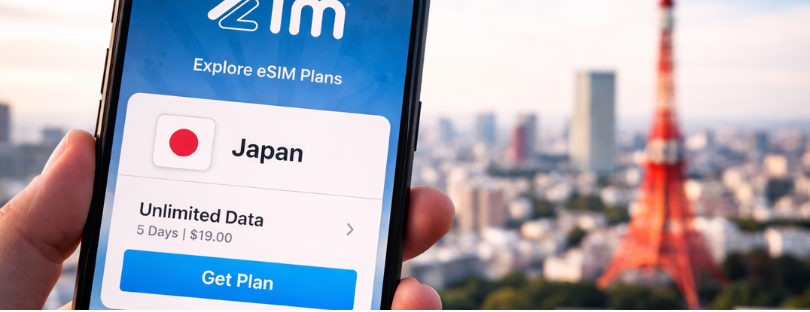
Powered by SoftBank’s network and commercial reach, and built by ZIM Connections, the platform allows travelers to search for destinations, purchase unlimited data plans, and activate an eSIM in minutes. No SoftBank subscription is required. This is a global B2C offer, not a closed ecosystem play.
That detail matters more than it might seem.
Not just another travel eSIM storefront
On the surface, the product looks familiar. A digital travel eSIM platform. Destination-based plans. Instant activation. Unlimited data options.
But structurally, this launch is different from many consumer-facing eSIM brands flooding the market.
This is a telco-backed, enterprise-built platform commercialized by a Tier-1 operator. The implications are stability, predictable connectivity, and a roadmap that goes beyond short-term tourist demand.
The initial phase focuses on Japan inbound and outbound travel, but future phases are already defined. Additional languages. More currencies. Expanded payment methods. Broader regional coverage. Multiple versions of the travel eSIM solution.
This is not a one-off SKU. It is a foundation layer.
What ZIM brings to the table
ZIM Connections has positioned itself as an eSIM gateway rather than a flashy consumer brand, and that positioning shows here.
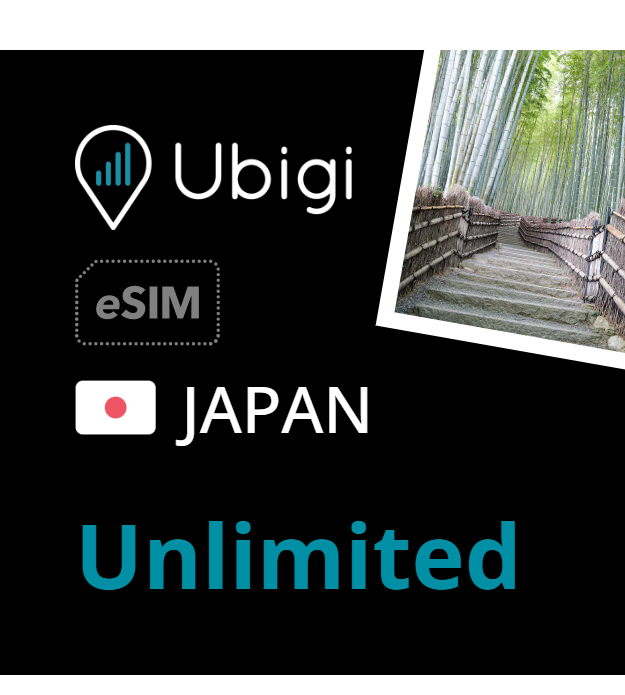
The platform is plug-and-play, globally deployable, and already supports coverage in over 200 destinations. For telecom operators and partners, this reduces integration friction. For travelers, it removes the complexity they never wanted to deal with in the first place.
“Travelers today expect simple, digital-first connectivity wherever they go,” said Giulia Acchioni Mena, co-founder and COO of ZIM Connections. “This launch brings a seamless travel eSIM experience to market, designed to meet the strong demand around inbound travel to Japan and international mobility more broadly. It’s built to scale and adapt as traveler needs continue to evolve.”
That emphasis on scalability is key. Many travel eSIM products work fine at low volumes but struggle once usage spikes, roaming paths diversify, or enterprise-grade expectations enter the picture.
ZIM’s model is designed for those pressures.
SBTS and SoftBank’s strategic angle
For SBTS, the partnership fits neatly into its broader mission: reducing global telecom complexity while accelerating time to market.
“This collaboration brings together the right mix of platform expertise and market reach to deliver a scalable travel connectivity solution. It demonstrates how aligned partnerships can accelerate market-ready innovation,”
said Norioki Sekiguchi, CEO of SBTS.
SoftBank’s role is equally strategic. Travel eSIMs are no longer a niche add-on. They sit at the intersection of roaming economics, digital services, and cross-border customer experience.
“Expanding our product suite with travel eSIM is an important step in serving both inbound visitors to Japan and Japanese travelers going abroad,” said Akihiro Kato, Senior Director at SoftBank’s Cross-border Business Promotion Office. “This allows us to bring a market-ready solution to customers quickly, while building the foundation for deeper product development in the future.”
That last sentence is doing a lot of work. This launch is clearly framed as a starting point, not a finished product.
Open access is the real differentiator
One of the most important details in this announcement is easy to miss.
The service is not limited to SoftBank subscribers.
Anyone can access the platform online, choose a destination, buy an unlimited plan, and activate an eSIM. That openness puts the product closer to global eSIM players like Airalo, Holafly, or Nomad in terms of accessibility, but with the backing of a Tier-1 operator and a B2B-grade platform underneath.
This hybrid model is becoming more common. Telecom groups want reach beyond their domestic subscriber base, while eSIM platforms want network reliability and regulatory clarity. Partnerships like this sit exactly in that overlap.
Where this sits in the wider eSIM market
The travel eSIM market has matured quickly over the past three years. What started as a convenience product is now a crowded, competitive space.
Many providers compete on price. Others lean heavily on “unlimited” messaging. A growing number focus on niche segments like digital nomads or business travelers.
What sets this launch apart is its infrastructure-first mindset.
Instead of leading with marketing narratives, it leads with deployment readiness, operator backing, and a clear international roadmap. That aligns with broader industry trends highlighted by GSMA and Kaleido Intelligence, which consistently point to scalability, security, and operator partnerships as the next phase of eSIM growth.
We are also seeing more Tier-1 operators entering travel eSIMs not as resellers, but as product owners. This move by SoftBank follows similar strategic shifts by players like Orange, Telefónica, and Deutsche Telekom in adjacent roaming and travel connectivity services.
Conclusion: a signal, not just a product launch
This launch should be read less as “another travel eSIM” and more as a signal of where the market is heading.
The era of lightweight, standalone travel eSIM brands is giving way to deeper collaborations between platforms, operators, and global service providers. Travelers still want simplicity, but the systems behind that simplicity are becoming more sophisticated, more regulated, and more integrated.
By starting with Japan and building outward, SBTS, SoftBank, and ZIM Connections are betting on predictable connectivity, not just cheap data. They are also betting that travel eSIMs are no longer a side product, but a core part of cross-border digital infrastructure.
If that bet pays off, this launch will be remembered not for where it started, but for how quickly it scaled.