Satellite-to-Phone Explained: Hype vs Reality for Travelers
If you’ve felt the frustration of “no signal” while traveling — that moment when your maps freeze, WhatsApp won’t send, and you’re left poking at invisible bars — there’s a new type of coverage coming that promises to change that story entirely. Satellite-to-phone connectivity is no longer sci-fi vaporware. It’s real, it’s rolling out now, and travelers are asking: Does this mean I’ll never need roaming or eSIMs again? satellite to phone connectivity for travelers
The short answer: not yet. But the trajectory of this technology is reshaping how we think about mobile connectivity on the road and abroad.
Two worlds of satellite connectivity
Before we go deeper, it helps to separate two very different things that get lumped under “satellite-to-phone.”
One is emergency satellite features, like Apple’s Emergency SOS via satellite and similar systems on Android phones. These let you send short messages and get help in absolute coverage blackouts — specifically for safety and emergencies, not everyday communications. This is already in use and has saved lives.
The other is direct-to-cell satellite service, a leap beyond emergency SOS that aims to connect normal smartphones to orbiting systems without traditional towers. Here’s where companies like SpaceX’s Starlink, mobile carriers, and newer satellite startups are pushing real innovation.
To the traveler, the difference matters: emergency features are a last resort; direct-to-cell is ambition toward everyday connectivity.
What’s actually live today
At the moment, the most tangible progress for travelers has been hybrid models that augment existing terrestrial networks rather than replace them.
Take Starlink’s “Direct-to-Cell” service. It’s designed to let your LTE phone connect to Starlink satellites when you’re outside normal coverage, without extra hardware — essentially turning satellites into sky-towers where terrestrial ones don’t reach.
Mobile carriers are already building real products on this foundation. For example, T-Mobile’s “T-Satellite” service uses Starlink satellites to keep text messaging, location sharing, and some app connectivity working when cell towers cannot. It’s included on many plans or available as an add-on, and works as soon as your phone loses traditional signal — no extra equipment needed.
That’s not remote future talk — it’s live in parts of the U.S. now and expanding.

The reality check: coverage isn’t the whole story
Even the most advanced direct-to-cell plans today have limits. Satellite links still carry constraints most travelers don’t notice with traditional networks:
- Line-of-sight matters — Open sky beats buildings, dense forest, or deep canyons.
- Latency and speed are different — Satellite connections usually feel slower and more variable than 4G/5G.
- Data is constrained — Messaging and light app usage are feasible; full-blown video streaming isn’t there yet.
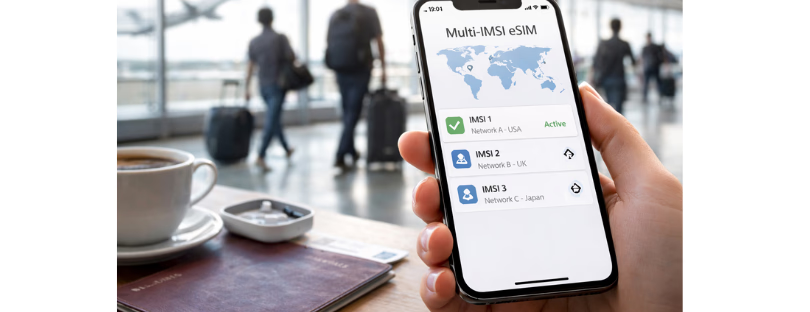
This is part of why traditional networks — and eSIM strategies that unlock local or global data plans — remain central to the travel experience. In everyday use — checking routes, booking rides, sending photos — terrestrial networks still hold the performance edge.
Where satellite makes the biggest impact today
The real promise of satellite to phone connectivity isn’t to replace roaming. It’s to fill the gaps traditional networks leave behind, especially in emergencies and remote areas where coverage has historically been zero.
For travelers, that might mean:
- Messaging and location sharing from a trailhead where there’s no tower within miles.
- Sending an emergency SMS or calling for help when you’re outside coverage zones.
- Staying minimally connected — enough to coordinate logistics — when you cross borders or rural expanses.
That’s a huge quality-of-life and safety upgrade over “no bars ever.” But it isn’t yet a substitute for the everyday data you rely on when life feels normal.

The Starlink phone rumor that won’t go away
In the last few weeks, a new twist in this space made headlines: speculation that Starlink (SpaceX) might launch its own smartphone that connects directly to satellites, bypassing carriers altogether. Major outlets, including Reuters, reported that internal discussions and patent filings had fueled the idea.
Shortly after those reports hit, Elon Musk publicly denied that a conventional Starlink phone is currently in development. He left the door open for a different kind of device in the future — something that might not look like today’s smartphones but could integrate satellite connectivity and advanced features like AI processing.
This has become one of the most talked-about rumors in the tech press because if Starlink did build a phone that leverages its vast satellite constellation, the product could dramatically shake up how roaming and connectivity are bundled for travelers — especially if it reduces dependency on local networks everywhere you go. But for now, it remains speculation and not a confirmed product launch.
That mix of rumor and denial shows how significant this idea is: space companies and mobile hardware are increasingly intersecting at the edges of mainstream devices.
How this compares with traditional satellite phones
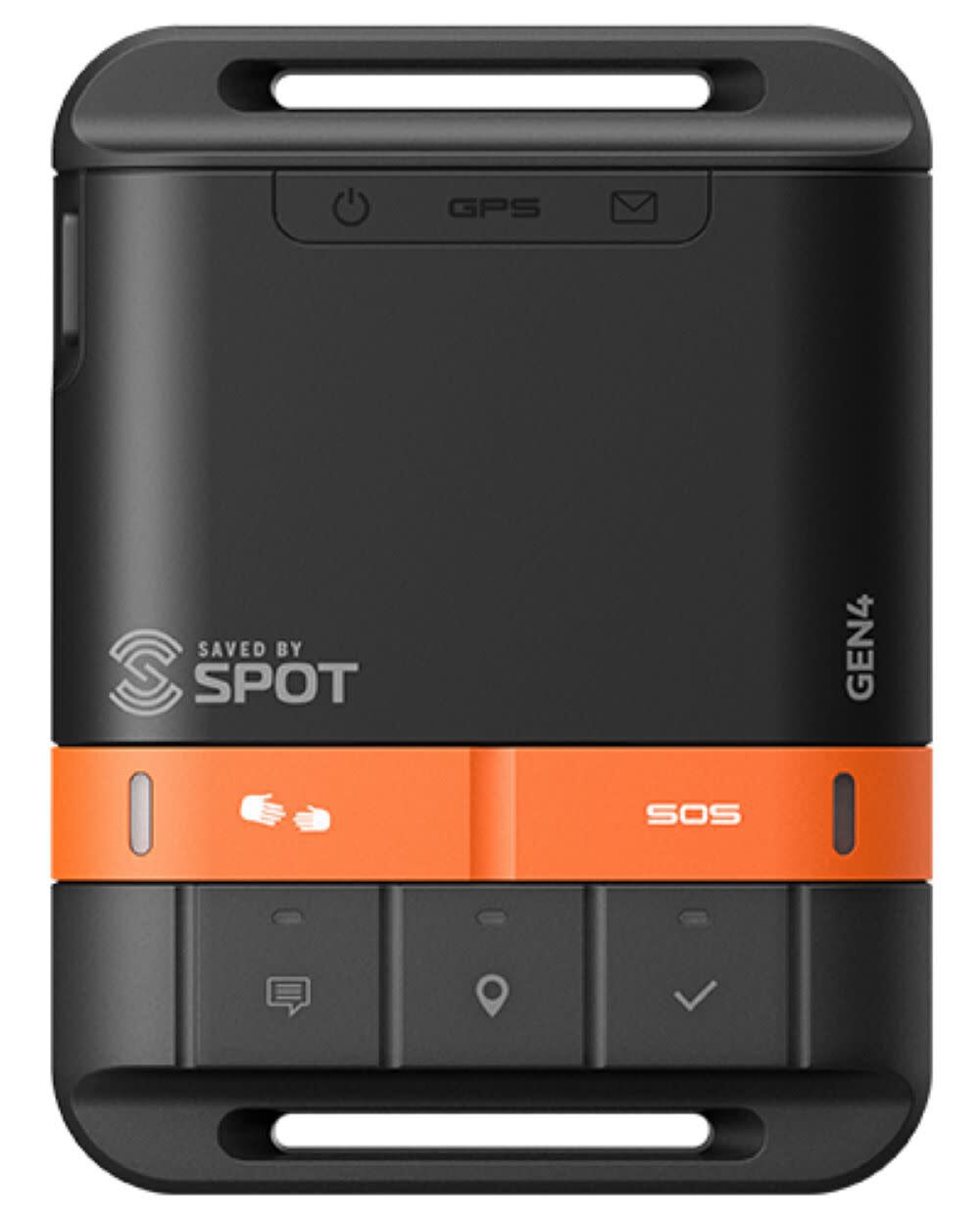
A lot of travelers still think in terms of classic “satellite phones” — rugged units with telescoping antennas and high per-minute costs — that work anywhere. These devices historically connected directly to high-orbit satellites and were independent of cell networks.
What Starlink and direct-to-cell services aim to do is different: bring satellite connectivity into standard smartphone form factors, with a smooth user experience, lower costs, and integration into everyday apps.
Separate companies like Skylo and Lynk are racing into this space too, building satellite-to-mobile systems with similar goals under global 3GPP standards.
What you should do as a traveler right now
For today’s globetrotter, here’s a sensible connectivity plan:
Keep robust terrestrial coverage first. A good travel eSIM, local SIM, or roaming plan still delivers the fastest, most reliable day-to-day data and voice.
Use emergency satellite features as a safety net. These are already reliable and free on many devices for basic SOS and messaging.
Experiment with direct-to-cell services cautiously. They are exciting and can extend your reach beyond traditional limits, but treat them as a supplement — not a main connection strategy — while they mature.
Watch device support and regional availability. Not all carriers, countries, or phone models work with these satellite extensions yet, and regulatory differences can matter a lot.
Conclusion: The satellite upgrade is resilience, not replacement
Satellite-to-phone connectivity is not a sci-fi future anymore. It’s happening, it’s practical for emergencies, and it’s creeping into everyday mobile use in patches around the world. But it is not — today — a wholesale replacement for roaming, eSIMs, and terrestrial mobile networks. satellite to phone connectivity for travelers
Traditional networks still deliver the speed, indoor reach, and app performance that travelers rely on daily. Satellite connectivity right now is patchwork resilience that fills gaps and elevates safety — and that in itself is a massive upgrade in how we experience connectivity on the road.
The Starlink phone rumors reflect something even bigger: the possibility of devices built from the ground up for a hybrid satellite-native future. That idea is influencing strategy at carriers and standards bodies alike, even if the specific product doesn’t exist yet.
So for travelers, the sensible view isn’t “satellite vs. roaming” — it’s “satellite plus terrestrial networks.” Plan for your normal needs with traditional coverage, treat satellite as your lifeline when everything else fails, and watch this space closely — because the next few years may rewrite what global mobile connectivity actually means.