Satellite Connectivity Hits Phones with Docomo x Starlink
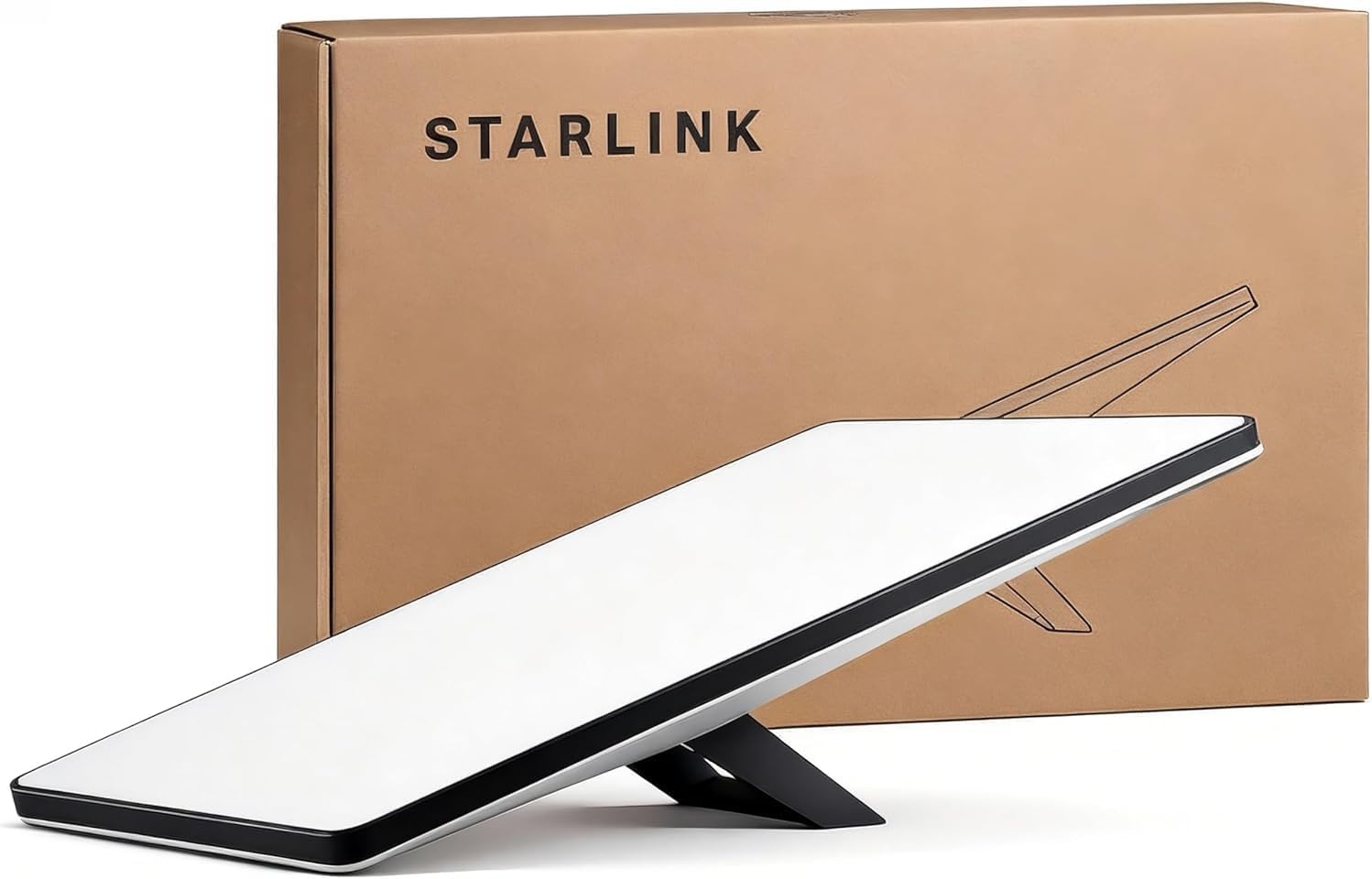
Japan’s telecom giant NTT Docomo is making a decisive move into the future of connectivity. Starting April 27, the operator will roll out a satellite-based messaging service powered by SpaceX’s Starlink network, enabling smartphones to connect directly to satellites when traditional mobile coverage fails.
This is not another incremental upgrade. It is a clear signal that the boundaries of mobile networks are shifting from terrestrial towers to hybrid, space-enabled infrastructure.
What the Service Actually Does
At launch, the service focuses on essential communication use cases rather than full mobile broadband. Users will be able to:
- Send and receive text messages
- Share location data in real time
- Stay connected in no-signal zones
Think mountains, remote islands, offshore environments, and disaster-hit areas where networks typically go dark.
For travelers, this is where things get interesting. Instead of scrambling for local coverage or relying on patchy roaming, your phone effectively gains a backup network from space.
No Setup, No Cost (For Now)
One of the most notable aspects is how frictionless Docomo is making this.
The service will be available to all subscribers, including users on its online-only ahamo plans, without requiring additional apps, hardware, or configuration. Even more aggressively, Docomo confirmed that:
- There is no application required
- The service will initially be free
- Satellite usage will not count toward data allowances
That last point is particularly important. It positions satellite connectivity not as a premium add-on, but as a built-in resilience layer.
It also hints at something bigger: operators are starting to treat coverage gaps as a product problem they must solve, not a limitation customers should accept.
Why This Matters More Than It Seems
On the surface, this looks like a niche feature for hikers or offshore workers. In reality, it reflects a much larger shift happening across the telecom industry.
Satellite-to-smartphone connectivity is quickly moving from experimental to commercial reality. And Docomo is not alone.
A New Competitive Layer in Telecom
Several major players are already exploring or launching similar capabilities:
- Apple introduced Emergency SOS via satellite on iPhones
- T-Mobile partnered with SpaceX for direct-to-cell services
- AST SpaceMobile is building a global space-based cellular network
What makes Docomo’s move different is execution. Instead of limiting satellite to emergency scenarios, it is positioning it as an everyday extension of the network.
That is a subtle but important shift.
From Coverage to Continuity
Traditionally, mobile networks were defined by coverage maps. You either had signal or you didn’t.
What we are seeing now is the transition toward continuity. The expectation is no longer “coverage where possible,” but “connectivity everywhere.”
Satellite becomes the fallback layer. Not a replacement for terrestrial networks, but an invisible safety net that activates when needed.
For enterprise users, this is even more critical. Docomo is routing corporate customers through its business division, signaling clear use cases in logistics, maritime, field operations, and risk management.
This aligns closely with broader trends in enterprise mobility, where connectivity is increasingly tied to operational resilience rather than just convenience.
What It Means for Travel Connectivity
For the travel tech ecosystem, this development is particularly relevant.
The promise of eSIM and global data plans has always been seamless connectivity across borders. But one major gap remained: physical coverage limitations.
Satellite integration begins to close that gap.
It does not replace eSIM. It complements it.
You could soon see a model where:
- eSIM handles global data and roaming
- Satellite ensures connectivity in dead zones
This hybrid approach could redefine what “global connectivity” actually means.
Where This Is Headed Next
The bigger picture is clear. Telecom is entering a phase where infrastructure is no longer limited to ground networks.
According to industry analysis from organizations like the Trusted Connectivity Alliance and multiple operator reports, satellite integration is expected to become a standard layer in mobile networks over the next few years.
The key question is not whether this will scale. It is how quickly operators can integrate it into mainstream offerings without turning it into an expensive add-on.
Conclusion
Docomo’s Starlink integration is not just a feature launch. It is a preview of where mobile connectivity is heading.
While competitors like Apple and T-Mobile have positioned satellite as a safety feature or pilot program, Docomo is taking a more structural approach. It is embedding satellite into the everyday network experience and removing barriers to adoption from day one.
That matters.
Because the real shift here is not technological. It is philosophical. Connectivity is no longer something that depends on geography. It is becoming something users expect everywhere, by default.
For the travel connectivity space, this raises a new question. If eSIM solved borders, satellite is about to solve coverage itself.
And when those two layers merge, the definition of “roaming” might change entirely.