Blackview XPLORE 6: Rugged Phone With eSIM & Satellite Connectivity
Mobile World Congress may be over, but some of the devices unveiled in Barcelona are still sparking conversation across the mobile industry. One of the most interesting examples comes from Blackview, a brand that has quietly carved out a niche in rugged smartphones designed for extreme environments. blackview xplore 6 rugged phone
At MWC 2026, Blackview presented a full ecosystem of devices under the theme of “AI × Communication × Rugged × All-Scenario.” But the real star of the show was the XPLORE series, particularly the XPLORE 6 and the satellite-enabled XPLORE 2 Satellite.
These devices reflect a broader shift happening in the smartphone industry: rugged phones are evolving from niche tools into high-performance communication platforms.
XPLORE 6: A Rugged Phone With Flagship Ambitions
The centerpiece of Blackview’s launch is the XPLORE 6, positioned as the world’s first rugged smartphone built on the MediaTek Dimensity 9400+ platform.
Rugged phones have traditionally lagged behind mainstream flagships when it comes to performance and camera capabilities. Blackview is clearly trying to change that narrative.
The XPLORE 6 combines high-end internals with the durability expected from the rugged category. The device features:
Key XPLORE 6 features
- MediaTek Dimensity 9400+ flagship processor
- 18GB LPDDR5X RAM and up to 1TB storage
- 6.73-inch 3.2K AMOLED display with 120Hz refresh rate
- Triple 50MP camera system, including a periscope telephoto lens
- Gorilla Glass protection and military-grade durability
The camera system is particularly notable. Rugged phones often prioritize durability over photography, but the XPLORE 6 includes a periscope telephoto lens, something rarely seen in this segment.
This signals a clear attempt to blur the line between rugged devices and premium consumer smartphones.


XPLORE 6 Pro: Built for Industrial Use
Blackview also introduced the XPLORE 6 Pro, which pushes the rugged concept into professional and industrial environments.
The headline feature is a 256×192 thermal imaging module, designed for technical inspections and emergency scenarios.
Professional use cases
- Detecting overheating electrical systems
- Identifying structural heat leaks
- Supporting search and rescue operations
- Troubleshooting mechanical failures
Thermal cameras have existed in rugged phones for years, but pairing this technology with flagship-level processors makes the device far more capable for real-time analysis and field diagnostics.
In short, this model is less about consumers and more about engineers, inspectors, and emergency teams.
XPLORE 2 Satellite: Connectivity When Networks Fail
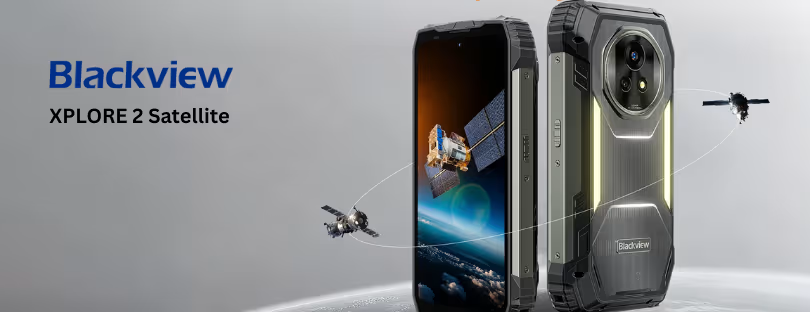
Perhaps the most intriguing device in the lineup is the XPLORE 2 Satellite, which introduces satellite messaging and eSIM capabilities into the rugged category.
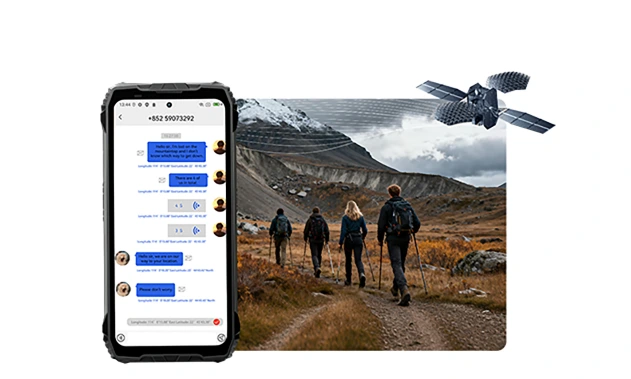
The phone supports non-terrestrial network (NTN) connectivity via Skylo, allowing users to send messages even when there is no terrestrial mobile coverage.
That’s particularly relevant for:
- expedition travelers
- remote workers
- emergency responders
- maritime crews
- outdoor enthusiasts
The phone itself is built like a tank. It includes a 6.73-inch AMOLED display, 5G connectivity, and a massive 20,000 mAh battery designed for extended field use.
The battery alone can deliver extremely long standby times, which is essential for devices intended for remote environments.
Of course, there is a trade-off. At roughly 670 grams, the phone is significantly heavier than a typical smartphone, making it closer to a specialized field tool than a pocket device.
Still, the satellite messaging capability is arguably the most important feature here. Dedicated satellite phones typically cost hundreds of dollars and require separate devices. Integrating this capability into a rugged smartphone dramatically lowers the barrier to entry.
The Bigger Picture: Rugged Phones Are Becoming Connectivity Platforms
Blackview’s announcements at MWC also included tablets, laptops, and AI wearables, but the XPLORE lineup reflects a much larger trend.
The rugged phone market is evolving in three important ways.
Performance parity with flagship phones
Historically, rugged devices sacrificed performance for durability. With chips like the Dimensity 9400+, that gap is narrowing.
Satellite connectivity entering smartphones
Satellite messaging is no longer limited to niche hardware. Apple, Qualcomm, and multiple satellite providers are pushing this capability into mainstream devices.
MWC 2026 highlighted how rapidly this space is evolving, with new partnerships between telecom operators and satellite networks aimed at expanding coverage globally.
Hybrid devices for specialized professions
Rugged phones increasingly target specific industries:
- construction
- logistics
- security
- exploration
- emergency response
For these users, features like thermal cameras, massive batteries, and satellite connectivity are far more valuable than thin design.
Conclusion: A Small Brand Playing in a Big Trend
Blackview is not Samsung, Apple, or Xiaomi. But its XPLORE lineup highlights an important shift in the mobile industry.
Connectivity is no longer just about faster 5G speeds. It is about resilience.
Devices that combine satellite messaging, rugged hardware, and high-performance chips represent a new category of smartphones built for environments where traditional networks fail. blackview xplore 6 rugged phone
Other manufacturers in the rugged segment, including Doogee and Oukitel, are also experimenting with massive batteries, projectors, and specialized tools aimed at outdoor or industrial users. But Blackview’s integration of satellite connectivity and flagship performance suggests a more ambitious direction.
If the broader telecom industry succeeds in expanding satellite-to-device networks over the next few years, rugged phones like the XPLORE series could become far more relevant than their niche reputation suggests.
Because in the future of connectivity, the most valuable feature might not be speed.
It might simply be having a signal at all.