
Best Travel SIM Cards: What to Choose & Why
If you’ve ever stepped off a plane, turned on your phone, and instantly felt that small spike of panic—yes, the one triggered by “Welcome to , roaming rates apply”—you already understand why a good travel SIM matters. Roaming charges can be a trap, especially if you’re hopping between countries, working remotely, or just trying to share photos without accidentally paying for a small yacht.
But here’s the thing: “best” means something different depending on how you travel. There’s no universal SIM card that magically works for every style, every destination, and every budget. What does exist is a travel SIM that fits your situation perfectly—you just need to know how to pick it.
Let’s break it down, conversationally and honestly, so you don’t end up buying something that looks great on the packaging but leaves you begging airport Wi-Fi for mercy.
Why Even Bother With a Travel SIM?
Because your mobile operator back home wants you to suffer. Joking… kind of. But really—roaming fees feel like they were designed in another century. A travel SIM gives you:
- A predictable price
- Coverage that’s actually optimized for your destination
- Local networks that usually deliver better speed
- The freedom to avoid hunting for public Wi-Fi like a digital nomad in distress
Most importantly, it lets you keep your phone online from the moment you land, without needing to queue at an airport kiosk that charges triple the normal price.
But Travel SIM or eSIM? Which Is Better?
We talk a lot about eSIMs here at Alertify (and for good reason—they’re incredibly convenient). But today’s topic is SIM cards, so let’s stick to that world. Physical SIMs still make sense if:
- Your phone doesn’t support eSIM
- You want a backup option you can physically remove and swap
- You prefer plug-and-play simplicity with no configuration
- You’re traveling somewhere where physical SIMs are still the default
Airport kiosks, convenience stores, local operators—physical SIMs are still very much alive globally.

So… What Actually Makes a SIM the “Best Travel SIM”?
There are five things to pay attention to—most people only check one (price), but the magic is in the combination.
1. Coverage
Sounds obvious, but you’d be surprised how many global SIMs promise the world and then work like a 90s dial-up connection in the places that matter most. Always check:
- Does it support the exact country you’re visiting?
- Is it using top-tier local networks there?
The difference between “has coverage” and “has good coverage” is massive.
2. Data Speed
This is where many cheap travel SIMs fall apart. You might buy an “unlimited” SIM only to discover that unlimited means “after 3GB, good luck loading a map.” Read the fine print. If you rely on social media, navigation, or hotspots, make sure it’s not capped at 3G after a tiny high-speed allowance.
3. Expiry Rules
Travel SIMs have personalities—some are chill, some pick a fight with you the moment you land.
- Some activate on first use
- Some activate from the date of purchase
- Some begin counting the moment you insert the SIM
- And some expire in 7 days even if you only used 100MB
Know this before you fly.
4. Regional vs Country-Specific SIMs
If you’re visiting multiple countries, a multi-region SIM can save you from swapping cards like a 2005 Nokia collector. Europe SIMs usually offer excellent value, Southeast Asia bundles can be great, and global SIMs are convenient—even if they cost more.
5. Price Transparency
Travel SIMs have this strange habit of hiding fees behind words like “service fee,” “fair usage,” or “activation.” The best ones don’t do that. What you pay is what you use.
 |
£
£ 399.99
|
|
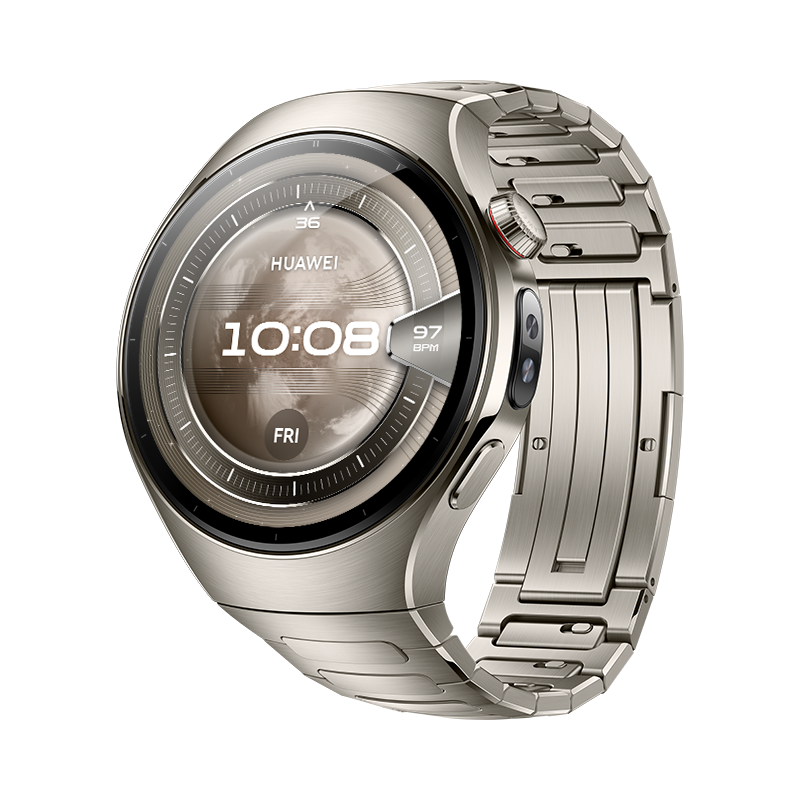
HUAWEI WATCH 5 46mm Titanium Silver/ Multi-sensing X-TAP Technology/ Health MOT on Your Wrist/ Aerospace-grade Titanium/ Compatible with Android & iOS/ Up to 11-Day Battery Life |
|
The Best Travel SIM Options (Based on How You Travel)
Rather than throw a generic list of “top 10 SIM cards” at you, let’s match travel styles to SIM types so you pick something that fits your actual trip.
1. The “City Break in One Country” Traveler
If you’re headed to a single destination—say France, Turkey, Japan, the UAE, or the U.S.—your best value is almost always:
- A country-specific SIM card from a reputable operator
- Something you buy before your trip, not at the airport
These SIMs give the best speeds, usually include local minutes, and cost far less than buying on-site.
2. The “Backpacking Through 5 Countries” Traveler
If your itinerary includes multiple borders, your best bet is a regional travel SIM.
For example:
- Europe travel SIM (great coverage, high-speed data, simple plans)
- Asia SIM cards (Thailand + Vietnam + Cambodia combos are common)
- Global SIMs for RTW trips (more expensive but extremely convenient)
You want something that roams within the region at local rates—not something that reverts to global roaming pricing.
3. The Digital Nomad
If you’re checking emails from Bali one day and Lisbon the next, your priorities are:
- Multi-country coverage
- Generous or unlimited high-speed data
- Long validity
- A SIM you can reload without hunting for scratch cards
Nomads usually prefer eSIMs, but if you insist on physical SIMs, pick one with at least 30–60 days of validity and easy top-ups.
READ MORE: eSIMs vs. Local SIM Cards: Which Option Wins?
4. The Business Traveler
You want reliability and speed—nothing else.
A premium SIM that uses top-tier carriers is worth the extra €10. No one wants to drop from 5G to 2G in the middle of uploading a client presentation.
5. The Heavy Social Media User
If your phone is permanently attached to your hand, avoid the “5GB high-speed + unlimited slow” SIMs. They’re not unlimited. They’re traps. Look for:
- High data allowances
- Or truly unlimited SIMs that don’t throttle aggressively
Perfect for TikTokers, Instagram lovers, and anyone filming their morning latte in a new country.

One More Thing Nobody Tells You: Keep Your Home SIM Safe
Whenever you insert a travel SIM, your home SIM becomes your most valuable asset. Put it:
- In the new SIM card packaging
- In your passport holder
- Or taped inside your phone case
Losing your home SIM abroad is a headache you don’t want. Trust me.
So… What’s the Best Travel SIM Overall?
Here’s the honest answer:
The best travel SIM is the one that fits your destination, duration, data needs, and travel style—not the one with the nicest packaging or the biggest “UNLIMITED” sticker.
If you want to play it safe:
- Choose a country-specific SIM for single-country trips
- Pick a regional SIM for multi-country itineraries
- Go global only if you really need it
And always, always buy before you fly.
When your plane touches down and your phone connects instantly, you’ll know you picked the right one.
 |
£
£ 299.99
|
|
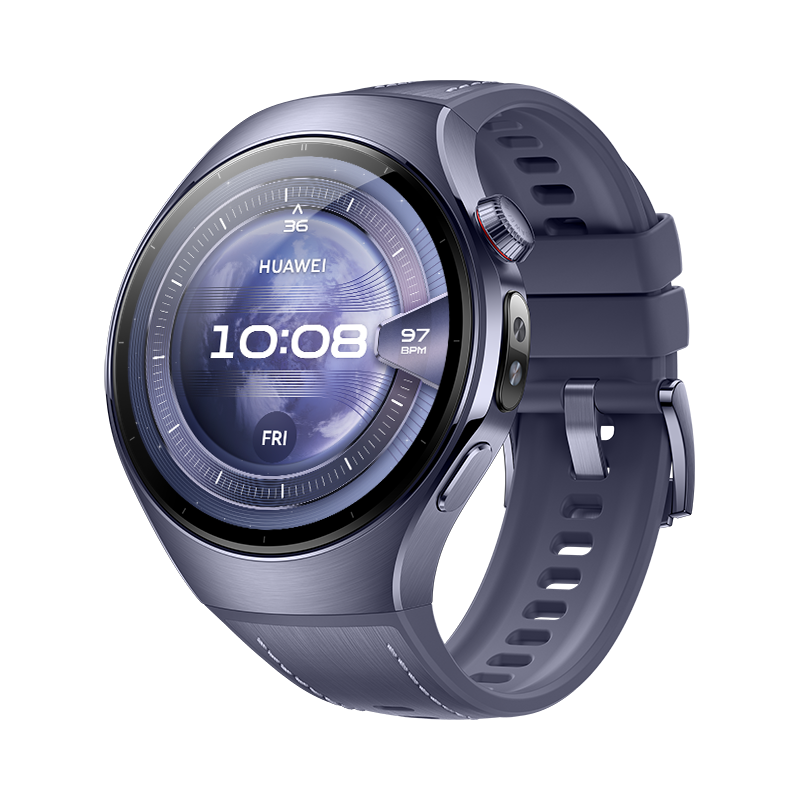
HUAWEI WATCH 5 46mm Titanium Purple/ Multi-sensing X-TAP Technology/ Health MOT on Your Wrist/ Aerospace-grade Titanium/ Compatible with Android & iOS/ Up to 11-Day Battery Life |
|