Saudi Arabia’s Football Revolution: From Pro League to 2034
Saudi Arabia is no longer flirting with global football relevance. It is committing to it, publicly, structurally, and at scale. What the outside world often reads as a sudden football boom is, on closer inspection, the acceleration of something far deeper. Football has lived in Saudi homes, streets, and stadiums for decades. What has changed is the level of ambition and the willingness to invite the world in.

This is not just about marquee signings or flashy tournaments. It is about positioning. Saudi Arabia is building a football ecosystem that spans grassroots, elite competition, global events, tourism, infrastructure, and culture. And it is doing so with a clarity of intent that few countries have matched in such a compressed timeline.
The defining milestone is clear. Saudi Arabia will host the FIFA World Cup 2034, and the scale of preparation signals how seriously the country views this moment.
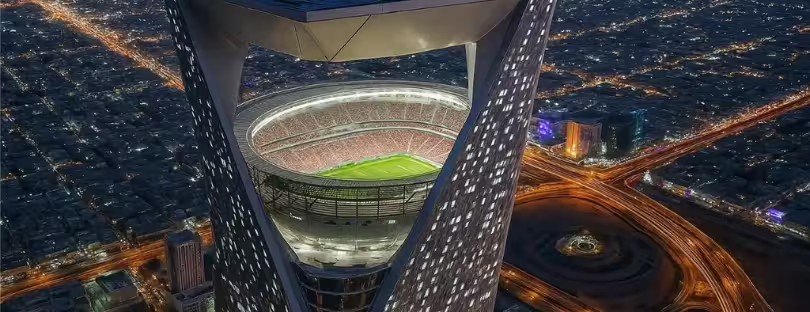
Fifteen stadiums are planned across Riyadh, Jeddah, Al Khobar, Abha, and NEOM. These are not upgrades or temporary builds. They are long-term assets designed to anchor future leagues, events, and community use. The 92,000-seat King Salman International Stadium is set to host the final, while Qiddiya’s dramatic cliff-top venue and NEOM’s ultra-futuristic arena underline Saudi Arabia’s willingness to rethink what a World Cup setting can look like.
Beyond stadiums, the supporting ecosystem is vast. Over 130 training facilities, more than 70 dedicated team camps, expanded airports, the Riyadh Metro, and a new national carrier, Riyadh Air, all feed into a tournament designed for movement, accessibility, and fan immersion. With more than 180,000 hotel rooms planned, accommodation ranges from practical to ultra-luxury, reflecting Saudi Arabia’s strategy of welcoming every type of traveller.
Sustainability is also being written into the blueprint. Climate-adaptive stadium design, renewable energy usage, and legacy planning are not side notes. They are central to how Saudi Arabia wants this World Cup to be judged.

Fans who live the game
To understand why this project resonates locally, you need to understand Saudi football culture. Matchdays are loud, emotional, and deeply tribal. Chants echo long before kickoff. Drums and tifos are not imported concepts. They are organic expressions of rivalry and belonging.
The Saudi Pro League’s nationwide format dates back to the late 1970s, creating decades-old rivalries that still define weekends. The men’s national team remains one of Asia’s most respected, with three AFC Asian Cup titles and a World Cup history that includes the iconic 1994 run and the shock win over Argentina in 2022.
Women’s football is now moving quickly through its own growth phase. Participation has surged since 2021, with thousands of registered players and tens of thousands involved at the grassroots level. The Saudi Women’s Premier League is attracting sponsors, professional structures, and serious development investment, while the national team prepares for major continental qualifiers. This is not symbolic growth. It is structural.
Fans express loyalty visibly. Club kits, training wear, scarves, and collectibles are central to matchday identity. Clubs like Al Nassr, Al Hilal, and Al Ittihad operate official physical stores in their home cities alongside online channels, reinforcing club identity while ensuring commercial sustainability.
Superstar central
Everything accelerated when Cristiano Ronaldo arrived. His move reframed global perception overnight. It signalled seriousness, not experimentation.
What followed was not random star collecting but strategic stacking. Karim Benzema, Neymar Jr., N’Golo Kanté, Riyad Mahrez, Sadio Mané, and Roberto Firmino brought competitive credibility. High-profile coaches raised tactical standards. Broadcast reach expanded. Social media engagement exploded.
The Saudi Pro League is now competing in the same global attention economy as MLS, the Turkish Süper Lig, and top Asian leagues, but with significantly higher financial backing and a clearer long-term vision tied to a World Cup cycle.
European cup nights in Saudi
Saudi Arabia has also become a regular stop for elite European football. The Spanish Super Cup and Italian Super Cup are no longer one-off experiments. They are recurring fixtures.
Seeing Real Madrid and Barcelona compete on Saudi soil has shifted fan expectations and normalised Saudi Arabia as a neutral global host. These events transform Riyadh and Jeddah into football capitals for days at a time, with fan zones, cultural programming, and city-wide activation that extend well beyond the stadium.
For European leagues, Saudi Arabia offers scale, infrastructure, and commercial upside. For Saudi Arabia, these tournaments are a rehearsal. Operational learning today feeds World Cup execution tomorrow.
Matchday and beyond
Football trips in Saudi are no longer stadium-only experiences. Riyadh blends football nights with concerts, boxing, heritage districts, and large-scale festivals under the Riyadh Season umbrella. Jeddah pairs matches with Red Sea coastal culture, historic districts, and Formula 1 energy.
Saudi hospitality remains a defining feature. Visitors are treated as guests, not customers. From coffee and dates to hands-on assistance, the emphasis is on warmth and safety. For many first-time visitors, this becomes the most surprising part of the journey.
Beyond football
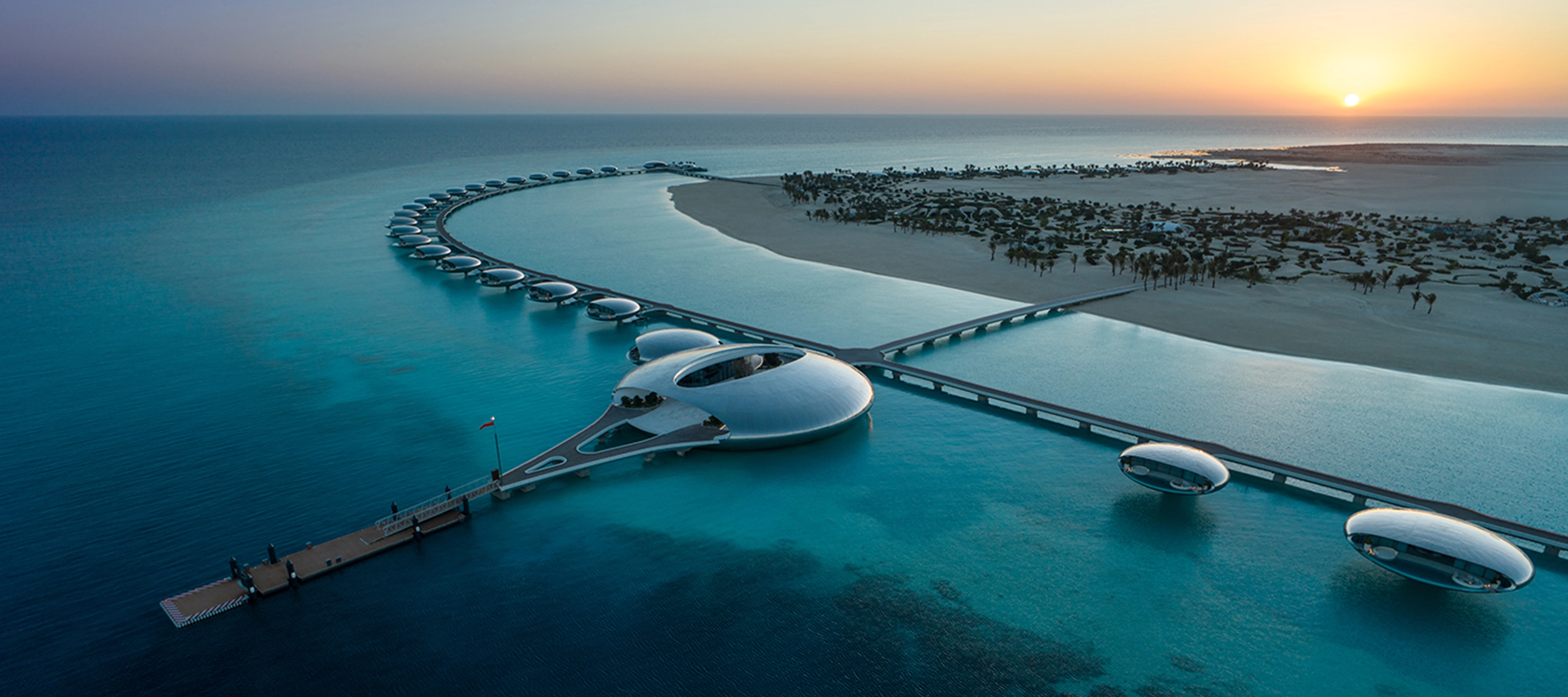
Saudi Arabia’s football rise sits within a much broader sports and entertainment strategy. Diriyah anchors heritage tourism. AlUla hosts global cultural events among ancient landscapes. The Red Sea coast targets sustainable luxury travel. Esports, motorsports, golf, and combat sports all feed into a diversified calendar designed to attract year-round visitors.
This matters because football does not exist in isolation anymore. The most successful host nations build experiences, not just tournaments.
Conclusion: Saudi Arabia’s position in the global football market
Saudi Arabia’s football strategy stands apart from previous challenger markets. Unlike China’s short-lived spending surge or Qatar’s event-first approach, Saudi Arabia is building vertically. Domestic leagues, youth systems, women’s football, tourism, aviation, retail, and global hosting are being developed in parallel.
Compared with MLS, Saudi Arabia offers faster infrastructure execution and deeper state-backed alignment. Compared with emerging Asian leagues, it brings unmatched financial firepower combined with a fixed World Cup deadline that disciplines decision-making.
Industry data from FIFA, AFC reports, Deloitte’s Football Money League, and international sports tourism studies all point to the same trend. Football growth now favours markets that combine population engagement, political stability, transport connectivity, and entertainment ecosystems. Saudi checks all four.
For global football, this is not a disruption phase anymore. It is a redistribution phase. Power, attention, and influence are spreading, and Saudi Arabia is positioning itself as a permanent pillar rather than a temporary headline.
By 2034, the question will not be whether Saudi Arabia belongs in football’s top tier. It will be how quickly others adapt to a reality that Saudi Arabia started building years earlier.