How MNOs Can Win in the Travel eSIM Era
If you run a mobile network today, chances are you’ve felt the sting of travel roaming revenues slipping away. Not that long ago, roaming charges were one of the most lucrative lines on a telecom balance sheet. A traveler crossed a border, their SIM stayed on your network (or a partner’s), and you quietly collected margins that seemed untouchable.

Fast forward to 2025, and the picture looks very different. The era of easy roaming profits is over. Travelers have wised up, regulators have cracked down, and eSIM providers have swooped in with sleek apps that let people buy local data packages in minutes. Suddenly, instead of paying €10 a day for roaming, your customer is spending €4 for an eSIM plan that works across three countries.
So, where does that leave mobile network operators (MNOs)? Are eSIMs the enemy—or the biggest opportunity you’ve had in years?
Let’s unpack it.
The Reality: Why Roaming Revenues Are Shrinking
For decades, international roaming was a comfortable cushion for MNOs. But several forces have eroded this model:
- Customer frustration—Nobody likes bill shock. And roaming fees were one of the most hated charges in telecom history.
- Regulation—The EU’s “Roam Like at Home” initiative and similar policies worldwide forced MNOs to cut back on roaming markups.
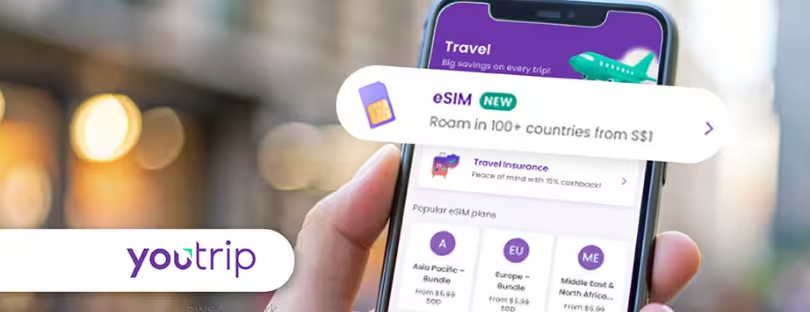
- eSIM adoption—With one QR code scan, a traveler can avoid roaming altogether. Airalo, Yesim, Airhub, and dozens of others are capitalizing on this.
The result? What used to be “guaranteed” revenue is now slipping through MNOs’ fingers.
But here’s the twist: customers aren’t abandoning their home networks. They’re just looking for flexibility when they travel. That’s an opportunity, not a threat.
Why eSIM Is Not the Enemy
It’s tempting for MNOs to see eSIM-only providers as rivals. But think about it: your customer is still loyal to your network at home. They’re not switching operators when they buy a travel eSIM—they’re just patching a gap you haven’t filled.
In other words, the customer relationship is intact. What’s missing is the travel connectivity solution they want.
The providers winning right now aren’t necessarily bigger or better than MNOs. They’re simply faster at packaging convenience. With lean digital platforms, smart marketing, and a laser focus on the pain point—roaming costs—they’ve jumped ahead.
But who has the brand recognition, the customer trust, and the infrastructure to deliver at scale? The answer: MNOs.

Three Ways MNOs Can Win Back Travelers
So, how can MNOs turn this “lost revenue” story into one of loyalty, retention, and growth?
1. Launch Your Own Travel eSIMs
Yes, it sounds obvious, but many MNOs still hesitate. Some fear cannibalizing their roaming offers. Others worry they can’t match the agility of digital-first startups.
The truth? If you don’t offer travel eSIMs, someone else will. And your customer will thank them for it instead of you.
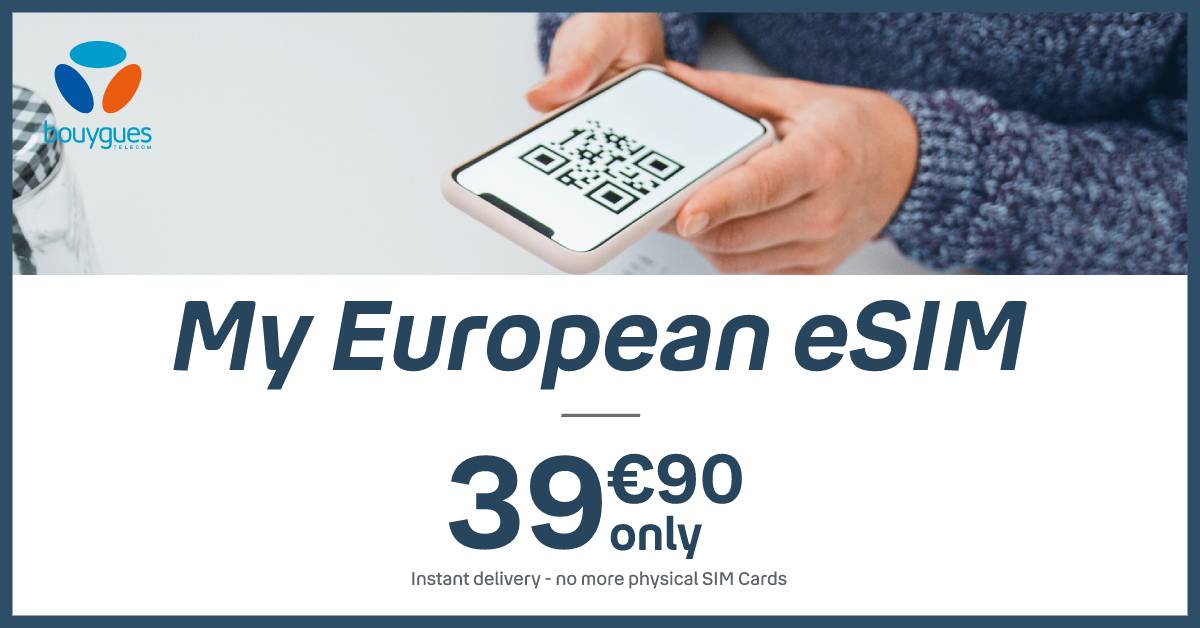
The move doesn’t need to be complicated. Partner with global eSIM aggregators, integrate offers into your self-care app, and keep it simple: a few plans by region, clear pricing, and instant activation.
You don’t have to beat every independent eSIM provider—you just need to give your own customers a reason not to look elsewhere.
2. Bundle eSIMs Into Loyalty Programs
Here’s where MNOs have a real edge: loyalty. You already run rewards schemes, whether it’s points, discounts, or bonus data. Why not fold travel eSIMs into that ecosystem?
Imagine this:
- A frequent flyer gets a free 1GB global eSIM every quarter.
- Premium postpaid subscribers unlock discounted regional passes.
- Points can be redeemed for travel connectivity, just like they can for movie tickets or gadgets.
That’s not just a product—it’s a customer delight moment. You’re saying, “We’ve got your back when you travel.” And that deepens the emotional bond.
3. Embrace Partnerships Instead of Fighting Them
You don’t have to build everything alone. Airlines, hotels, booking platforms, even fintechs—they’re all integrating eSIM offers to serve their travelers. Why shouldn’t MNOs be at the center of those deals?
Think of co-branded packages:
- Book a flight, get a discounted eSIM powered by your network.
- Stay at a partner hotel, and receive free local data as part of the loyalty experience.
- Use your bank’s travel credit card, and unlock a bundled connectivity voucher.
By positioning yourselves as partners in the broader travel ecosystem, you’re no longer “the operator that charges me roaming.” You become “the operator that helps me stay connected wherever I go.”
The Mindset Shift: From Revenue Protection to Customer Lifetime Value
The biggest trap MNOs fall into is defending the old revenue model. Protecting roaming margins feels natural, but in reality, it’s a losing battle. Travelers will keep seeking cheaper, more transparent alternatives—and if they don’t get them from you, they’ll get them elsewhere.
The smarter play is to zoom out. Ask:
- How much is a loyal customer worth over 10 years?
- How does offering travel eSIMs strengthen retention, reduce churn, and drive upsells?
- Could travel connectivity become a brand differentiator, not just a defensive product?
In other words, don’t measure success only in “roaming replacement revenue.” Measure it in loyalty, engagement, and long-term value.
A Customer Story: The Moment of Truth
Picture this. Sarah, a 32-year-old consultant, travels twice a month. Before eSIMs, she dreaded roaming fees. Then she discovered an app that sells her a €10 European data plan in two clicks. Now, every time she lands in Frankfurt or Barcelona, she skips roaming and goes straight to that app.
Here’s the catch: Sarah is still paying her MNO €50 a month for her main plan. She likes the coverage at home. She likes the service. She doesn’t want to switch.
But every time she travels, she’s reminded that her operator doesn’t solve her problem. Someone else does.
Now imagine if her MNO had stepped in first:
- “Hey Sarah, here’s a €10 travel eSIM. Activate it in our app before you fly.”
- “You’ve unlocked a free gigabyte for your loyalty.”
- “Book your flight through our partner airline, and we’ll keep you connected from the moment you land.”
Suddenly, Sarah’s not just a customer—she’s an advocate. She’s telling her colleagues, “My operator makes travel so easy.”
That’s the shift from lost revenue to loyalty.
Final Thoughts: The eSIM Era Is the MNO Opportunity
We’re entering a new phase of telecom. eSIM isn’t just a technical feature—it’s reshaping customer expectations, travel behaviors, and competitive dynamics.
MNOs can sit back, watch roaming revenues slide, and complain about “disruptors.” Or they can embrace the change, leverage their strengths, and own the travel connectivity space.
The choice is simple:
- Compete head-on with startups—or outsmart them with scale and loyalty.
- Guard yesterday’s margins—or design tomorrow’s experiences.
- Be remembered as “the operator that charges too much abroad”—or as “the operator that makes life easier everywhere.”
Travelers aren’t looking for miracles. They just want fairness, simplicity, and trust. MNOs already have the customer base, the brand, and the infrastructure. Add travel eSIMs to the mix, and suddenly you’re not fighting against change—you’re leading it.
And in that shift, lost revenues can become the foundation for deeper loyalty than ever before.