Is North Korea Serious About Tourism? The Real Message Behind Its New Beach Resort
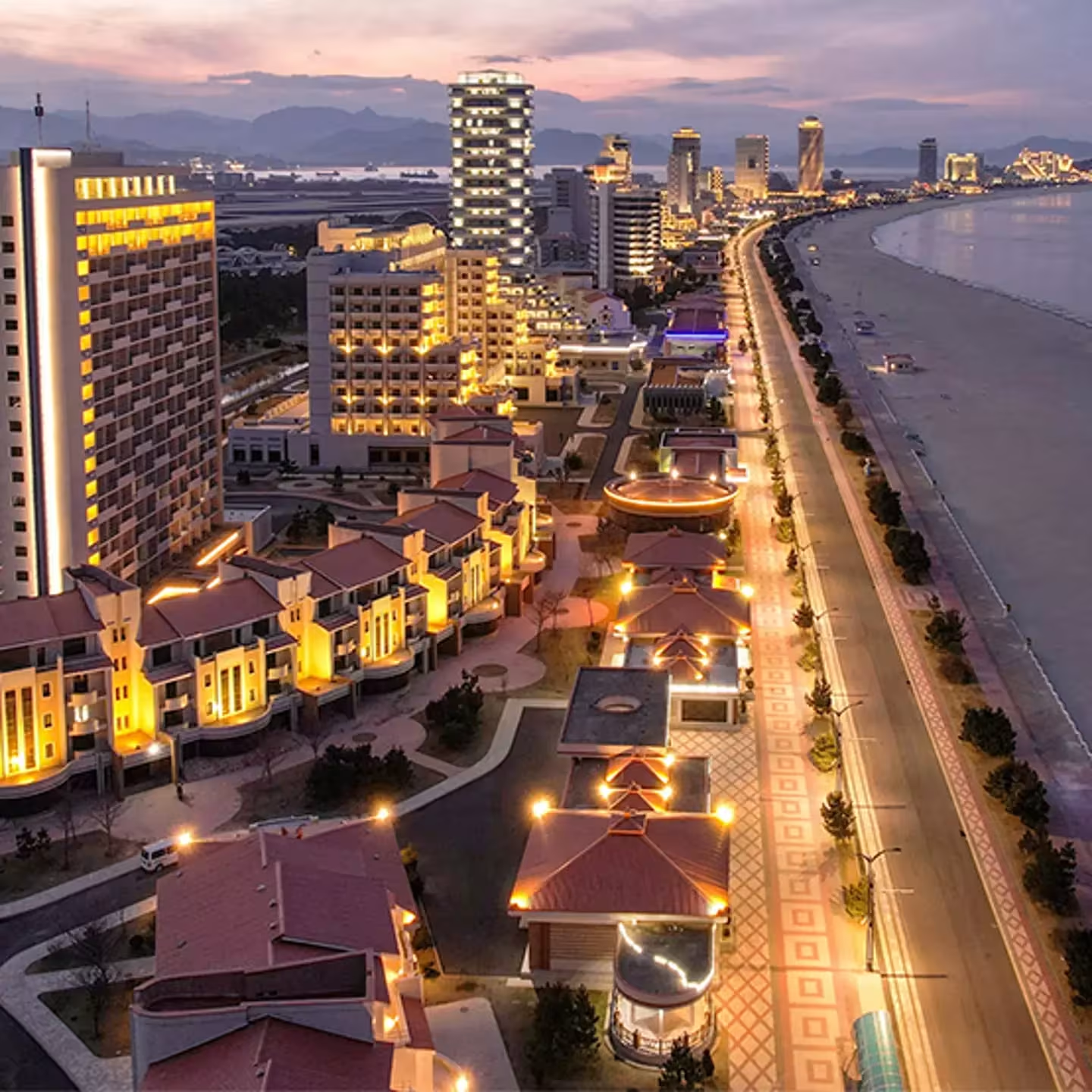
In a rare show of leisure and diplomacy, North Korea has officially opened the long-delayed Wonsan-Kalma Coastal Tourist Zone, a sprawling beachside development along its eastern coastline. North Korea beach resort

The event, attended by leader Kim Jong Un, his daughter Kim Ju-ae, and the Russian ambassador, marks a significant shift in Pyongyang’s tourism strategy as the country seeks new revenue sources and regional partners amid ongoing sanctions and isolation.
A Decade in the Making: From Delay to Display
Construction on the Wonsan resort began in the mid-2010s as part of Kim Jong Un’s vision to create a modern, international-facing leisure industry. But years of delays—due to international sanctions, resource shortages, and the COVID-19 border closure—turned it into a symbol of stalled ambition.
Now complete, the 4-kilometer-long beachfront complex boasts:
- Multiple hotels and guesthouses
- Water parks and waterslides
- Restaurants, shops, and sports facilities
- A projected capacity for 20,000 visitors
State media hailed it as one of the country’s “greatest feats” this year, with Kim Jong Un personally inspecting the site and watching tourists—reportedly local volunteers—enjoy the resort’s amenities, including its waterslides.

A Strategic Pivot: Why Tourism, Why Now?
North Korea’s decision to open Wonsan comes at a critical time:
🔄 Post-COVID Reopening
After more than four years of sealing its borders, Pyongyang appears to be selectively reopening. The Wonsan resort’s official launch on 1 July 2025 marks the beginning of domestic tourism revival. Foreign tourism remains tightly controlled but is slowly re-entering the conversation—especially with Russian visitors.
💰 Sanctions & Foreign Currency
With arms trade and most exports under heavy sanctions, tourism remains one of the few legal avenues for earning foreign currency. By targeting Russian and (eventually) Chinese tourists, North Korea hopes to carve out a niche in budget-friendly or politically aligned tourism.
🇷🇺 Geopolitical Messaging
The attendance of the Russian ambassador at the ceremony isn’t just ceremonial—it signals growing cooperation between Moscow and Pyongyang. It’s expected that Russian tourists, possibly via chartered flights or rail, will be among the first foreigners allowed to visit the resort.
Can Foreign Tourists Actually Visit?
Short answer: Not yet, unless you’re Russian—and even that’s unclear.
- Chinese tourism, which once made up over 90% of all foreign visitors, is still paused pending new agreements.
- Western travelers are generally prohibited and even if permitted in the future, travel is tightly monitored through official tours.
- The resort is likely to first serve elite North Koreans, government officials, and “model citizens” before scaling up to international guests.
Still, the infrastructure at Wonsan—including an unused international airport nearby—suggests long-term ambitions for wider foreign tourism.
The Bigger Picture: Regional & Global Implications
- Economic diversification: North Korea is positioning itself not just as a military state but as a tourism destination—an image shift meant to appeal to select markets like Russia and potentially Southeast Asia.
- Soft power play: By showcasing family-friendly leisure spaces and Kim’s presence alongside his daughter, the regime is crafting a softer, more relatable narrative for both domestic and foreign audiences.
- Strategic alignment: Pyongyang’s focus on Russian tourists—alongside recent military cooperation with Moscow—highlights a growing realignment away from traditional Chinese reliance and toward deeper Russia-North Korea ties.
Final Thoughts North Korea beach resort
The opening of the Wonsan beach resort isn’t just about sun and slides—it’s a calculated move in North Korea’s broader effort to rebrand and re-engage with the world on its own terms. While the average tourist won’t be booking a beach vacation to Wonsan anytime soon, the developments point to an evolving strategy where tourism, politics, and propaganda are deeply intertwined.