Beauty Tourism Explained: Why Travelers Go Abroad for Beauty
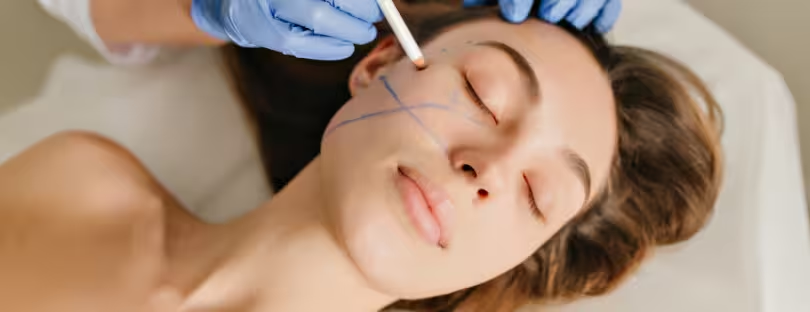
Beauty tourism sounds fancy, but at its core it is surprisingly simple. It is about traveling to another country to improve how you look and how you feel. That might mean cosmetic surgery, dental work, dermatology treatments, hair transplants, skincare programs, or even full wellness and rejuvenation retreats. Some people fly out for a single procedure. Others turn it into a two week reset that blends clinics, spas, healthy food, and a bit of sightseeing.

What makes it different from classic medical tourism is the intention. Beauty tourism is not about urgent health issues. It is about choice, confidence, and self-investment. People are not just fixing something. They are upgrading an experience and often combining it with a holiday.
Why has it exploded globally?
A decade ago, flying abroad for beauty treatments still felt extreme. Today, it is almost mainstream. There are a few reasons behind that shift.
First, price transparency. Clinics market openly online, show before and after results, and publish clear packages. When someone realizes they can save thousands while staying in a hotel and recovering by the sea, curiosity quickly turns into planning.
Second, social media. Beauty tourism thrives on Instagram, TikTok, and YouTube. Real people document their journeys in detail, from airport selfies to recovery days. That kind of raw visibility builds trust far faster than polished clinic ads ever could.
Third, normalization. Talking about fillers, veneers, and skin boosters is no longer taboo. Beauty conversations have moved from whispers to everyday chats, especially among millennials and Gen Z.
The most popular beauty tourism destinations
Some countries have become global beauty hubs, each with its own reputation and specialties.
South Korea is often called the capital of skincare and cosmetic innovation. People travel there for advanced dermatology, facial contouring, and next-level skin treatments that feel more like science labs than clinics.
Turkey has built a massive reputation around hair transplants, dental work, and cosmetic surgery. Istanbul in particular feels like a beauty tourism airport hub, with clinics organizing everything from transfers to translators.
Thailand blends medical expertise with hospitality. Many travelers choose it for non-invasive treatments, wellness programs, and recovery in resort-like environments.
Brazil is famous for body contouring and aesthetic surgery. Beauty there is deeply cultural, not hidden, and clinics reflect that confidence.
Each destination offers a slightly different philosophy. Some focus on natural results, others on dramatic transformations. That variety is part of the appeal.
What people actually travel for
Beauty tourism is far broader than people assume. It is not just surgery.
Most common beauty tourism treatments
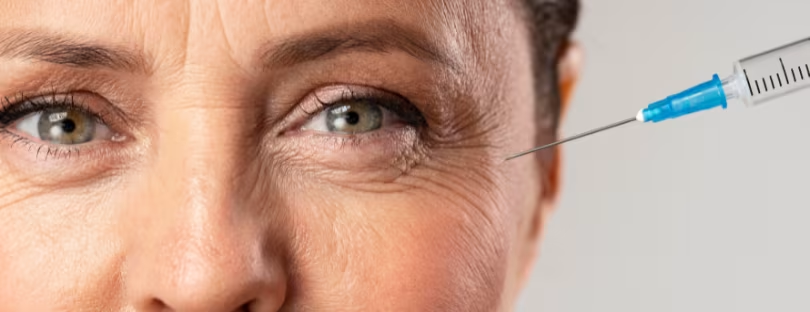
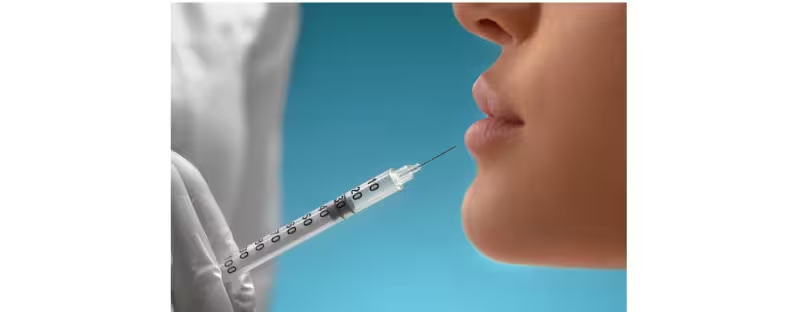
People travel for procedures like rhinoplasty, breast surgery, liposuction, hair transplants, veneers, and orthodontics. But just as popular are injectables, laser treatments, acne programs, pigmentation correction, and anti-aging therapies.
Skincare tourism is growing fast. Travelers book multi-day facial programs, medical-grade peels, and skin diagnostics that feel far more personalized than anything at home.
Wellness beauty is another layer. Think detox programs, hormone balancing, lymphatic drainage, and holistic beauty retreats that promise glow from the inside out.
The psychology behind it
Beauty tourism is not just about cost. If it were, people would only chase the cheapest option. Instead, many choose destinations that feel aspirational.
Travel creates emotional distance. Being away from home gives people privacy and a mental reset. You can recover without running into colleagues or neighbors. You can come back feeling like a new version of yourself without having to explain every step.
There is also something powerful about marking a transformation with a journey. The trip itself becomes part of the story. It is not just “I got this done,” but “I went there for this.”
The risks nobody should ignore
For all its appeal, beauty tourism is not something to approach casually.
Standards vary by country and clinic. Regulation, follow up care, and legal protections are not the same everywhere. Language barriers can create misunderstandings, especially when it comes to consent and expectations.
Recovery is another big factor. Flying too soon after procedures can cause complications. Some travelers underestimate how much downtime they will need and overschedule sightseeing instead of rest.
Then there is aftercare back home. Not every local doctor is happy to handle post-procedure issues from treatments done abroad. Planning for that in advance matters.
How smart travelers plan it
Successful beauty tourism trips usually follow the same pattern.
People research obsessively. They read forums, watch patient vlogs, and compare multiple clinics. They ask direct questions and expect detailed answers.
They choose clinics, not just destinations. A cheap flight means nothing if the provider does not inspire trust.
They built in buffer time. Extra recovery days are not wasted days. They are insurance.
They think about connectivity too. Being able to message clinics, share photos, and stay in touch during recovery is more important than most expect, especially when something feels off and reassurance is needed fast.
Beauty tourism as a lifestyle trend
What is interesting is how beauty tourism is shifting from one-off trips to something closer to a routine. Some people now plan annual skincare trips the way others plan beach holidays. Others combine business travel with touch-up treatments abroad.
Clinics are responding by offering loyalty programs, seasonal packages, and long-term treatment plans designed for international clients. Beauty tourism is no longer just transactional. It is becoming relational.
This also ties into a bigger cultural change. Beauty is increasingly framed as maintenance, not vanity. Just like fitness or nutrition, it is something people actively manage over time.
The future of beauty tourism
The next phase will likely be less extreme and more integrated. Expect fewer dramatic makeovers and more subtle, ongoing treatments. Expect more emphasis on skin health, longevity, and natural results.
Technology will play a bigger role too. Virtual consultations, AI-driven skin analysis, and remote follow-ups are already shaping how people choose clinics. Transparency and data will matter more than glossy promises.
Sustainability and ethics will also enter the conversation. Travelers are starting to ask not just “Is it cheaper?” but “Is it responsible?”
Conclusion
Beauty tourism sits at the intersection of travel, technology, wellness, and identity. It reflects how comfortable people have become investing in themselves across borders. When done thoughtfully, it can be empowering and even joyful. When rushed or poorly planned, it can quickly turn stressful.
At its best, beauty tourism is not about chasing perfection. It is about feeling aligned with how you see yourself, and sometimes discovering that a change of place can be just as transformative as the treatment itself.