The White Lotus Is Coming to Saint-Tropez — and the Riviera Is Bracing for the Ultra-Luxury Effect
The French Riviera is preparing for another kind of high season. Not driven by superyachts or film premieres this time, but by television. The next chapter of The White Lotus is officially heading to France, with Saint-Tropez confirmed as the main filming hub for season four of Mike White’s sharply observed social satire.

Production is expected to begin in April 2026, and while HBO is keeping most plot details under wraps, one thing is already clear: the “White Lotus effect” is about to hit the Riviera. And this time, it is landing squarely in the ultra-luxury end of the market.
Saint-Tropez steps into the White Lotus spotlight
Since its debut, HBO’s glossy drama has become more than just a series. It has evolved into a travel catalyst. Hawaii, Sicily and Thailand all saw tangible spikes in interest after serving as backdrops for previous seasons. Now, Saint-Tropez is next in line.
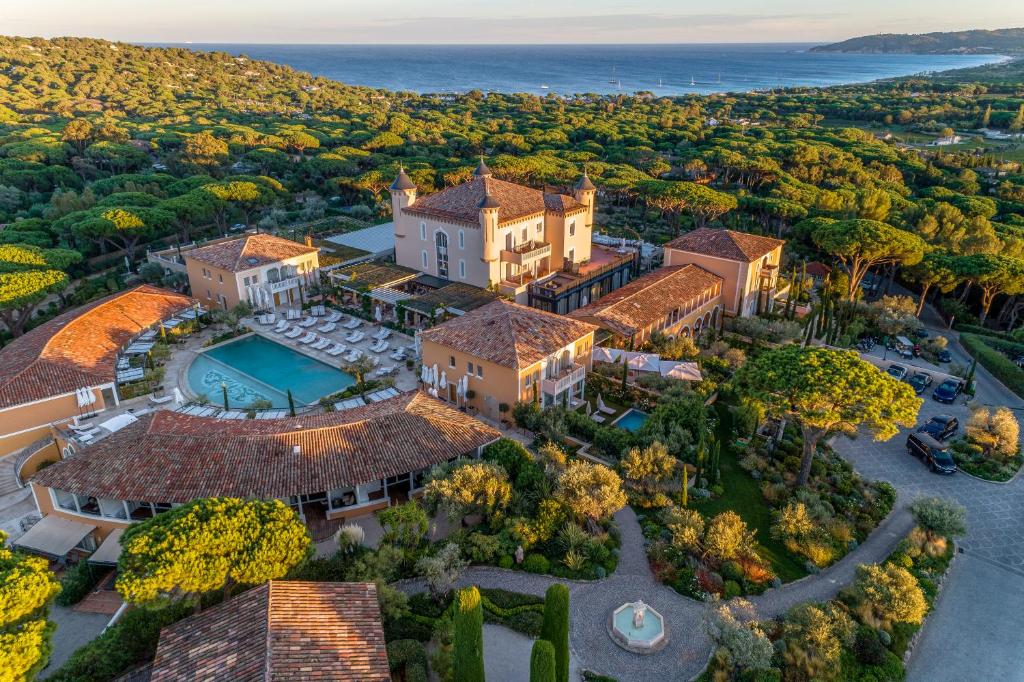
Unlike earlier locations, which featured purpose-built resort hotels, the French season is leaning into heritage and old-world grandeur. The primary filming location is Château de la Messardière, a 19th-century estate perched above the Gulf of Saint-Tropez. Set across 32 acres, the property offers 86 rooms, five swimming pools and panoramic Mediterranean views that feel tailor-made for White Lotus’ visual language.
Suite rates can exceed $9,400 per night, placing it firmly in the ultra-luxury bracket. For fans of the show and high-net-worth travellers alike, that price point is not a deterrent. It is part of the fantasy.
A Riviera castle as a character, not just a set
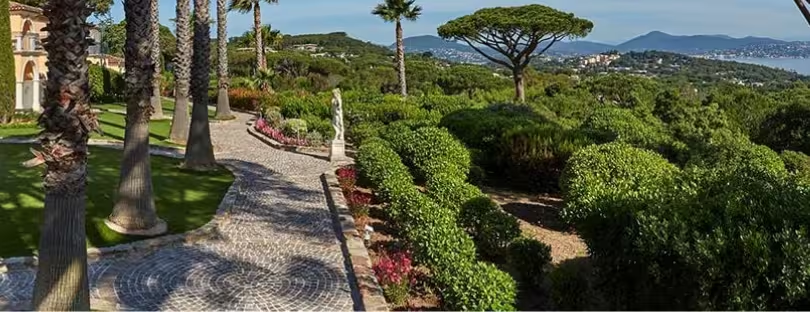
One of the series’ trademarks is turning its locations into silent characters. Messardière fits that role effortlessly. Originally built as a wedding gift in the 1800s, the château blends turrets, terraces, jasmine-lined paths and discreet dining spaces designed for privacy. Guests can spend days without leaving the estate, moving between landscaped gardens, spa areas and secluded pools.
That sense of containment matters. White Lotus thrives on isolation, on the feeling that guests are trapped in luxury with their own contradictions. Five swimming pools, including a lap pool, reinforce that self-contained world. It is beautiful, but it is also theatrical. Slightly unreal. Exactly what the show needs.
Travel advisors across the Riviera are already reporting early enquiries tied directly to the show, even though filming has not yet begun. This mirrors patterns seen in Sicily, where hotels linked to season two reported search surges months before episodes aired.

European privilege, Cannes whispers and a familiar formula
Narratively, season four is expected to explore the tensions and excesses of European privilege. As with earlier chapters, the story will follow wealthy guests arriving for a week of indulgence that slowly unravels into paranoia, moral collapse and, inevitably, a mysterious death.
Industry rumours suggest the storyline may intersect with the glamour of the Cannes Film Festival, weaving yachts, private dinners and elite social rituals into the plot. While casting remains largely unconfirmed, the names Alexander Ludwig and AJ Michalka have already surfaced, fuelling speculation across entertainment media.
This blending of fictional narrative with real-world prestige events is not accidental. White Lotus has always walked a fine line between satire and aspiration. The Riviera, especially during festival season, offers both in abundance.
Beaches, Paris and a wider French arc
The production will not remain confined to the château. Scenes are expected to extend across the coastline and into Paris, hinting at a broader European arc. For Saint-Tropez, this means more than just hotel shots. The cameras are expected to linger on Pampelonne Bay, long associated with curated glamour and beach-club culture.
One confirmed location is Jardin Tropezina, a private beach club where guests are often transported by Rolls-Royce or custom Mini Moke. Sun loungers, attentive service and a privacy-first clientele make it a natural contrast to the controlled opulence of the hilltop estate. Open, sun-drenched leisure on one hand. Enclosed, rarefied luxury on the other.
Paris, meanwhile, may serve as a prologue or epilogue, reinforcing the idea that this season is not just about a resort, but about Europe as a stage for wealth, status and performance.
What the White Lotus effect means for the Riviera
Previous seasons offer a useful benchmark. After season two, Sicilian hotels linked to filming locations reported double-digit increases in online searches, according to data shared by Expedia and regional tourism boards. Hawaii saw renewed interest in resort stays and guided experiences connected to season one, even years after its release.
Saint-Tropez is different. The market is smaller, more exclusive and already operating near capacity during peak months. With fewer comparable properties at the Messardière level, availability is likely to tighten quickly. For ultra-high-end travellers, this creates urgency. For everyone else, it pushes interest outward.
Neighbouring towns, boutique hotels, beach clubs and day experiences are expected to benefit as visitors look for more accessible ways to tap into the show’s atmosphere. Scenic coastal drives, Pampelonne lunches and Riviera-inspired dining experiences offer a way into the fantasy without committing to a five-figure stay.
A familiar pattern, but at a higher altitude
What makes this season particularly interesting is how it aligns with broader luxury travel trends. According to recent reports from Virtuoso and Skift, demand is shifting towards experiential, story-driven travel. Travellers are no longer just booking destinations. They are booking narratives.
White Lotus accelerates that trend. It turns hotels into cultural reference points and destinations into conversation starters. In that sense, Messardière now sits alongside properties like San Domenico Palace in Taormina or the Four Seasons Maui, both of which saw long-term brand uplift after their on-screen moments.
The difference is scale. The Riviera’s version of the White Lotus effect will likely be more concentrated, more exclusive and more expensive. Fewer rooms. Higher barriers to entry. Stronger halo effect.
Conclusion: more than a filming location
Saint-Tropez hosting The White Lotus is not just another case of film-induced tourism. It is a signal of where luxury travel storytelling is heading. Unlike mass-market destinations that benefit from volume, the Riviera stands to gain from association, prestige and cultural relevance.
Comparable destinations like Lake Como or the Amalfi Coast have seen similar dynamics play out after high-profile productions, where visibility translates into brand equity rather than raw visitor numbers. Reliable data from sources such as Expedia, Skift and Virtuoso consistently shows that screen exposure now influences not only where people travel, but how much they are willing to spend and how far in advance they plan.
For Saint-Tropez, the cameras will eventually leave. But the narrative will remain. In an era where pop culture, travel, and status are increasingly intertwined, The White Lotus does not just reflect luxury travel. It actively reshapes it. And on the French Riviera, that reshaping is already underway.