Samsung & KPN Launch Device + eSIM Bundles in the Netherlands
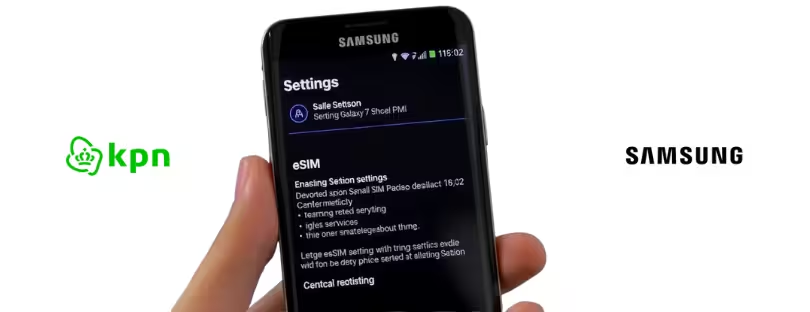
Samsung is quietly but decisively changing how smartphones and mobile plans are bought in Europe. With its newly announced partnership with KPN in the Netherlands, Samsung is bringing device sales, mobile subscriptions, and eSIM activation into a single, fully digital flow. For customers, this is less about flashy announcements and more about removing friction that has existed for years.
At a time when consumers expect instant activation, flexible contracts, and fewer physical touchpoints, this move feels less experimental and more overdue.
Buying a phone and a mobile plan in one go
Until now, Dutch customers shopping on Samsung.com could either buy a smartphone outright or choose a leasing option, and then separately arrange their mobile subscription with a carrier. That extra step might sound minor, but in practice it often meant store visits, SIM card deliveries, manual activation, or juggling multiple accounts.
The new Samsung KPN partnership removes that split experience. Customers can now select a Samsung device and activate a KPN eSIM subscription directly on Samsung’s website, in one continuous journey. No physical SIM card. No follow-up activation emails days later. No switching between platforms.
This setup directly responds to a growing customer demand for bundled device and connectivity purchases, especially among digitally savvy users who expect everything to work instantly after checkout.
eSIM as the backbone, not an add-on
What makes this partnership particularly relevant is its eSIM-first approach. Activation is done entirely online, which significantly lowers the barrier to switching providers or setting up a new plan. From a consumer perspective, it means faster onboarding and fewer technical steps. From an industry perspective, it signals how eSIM is moving from a niche feature to a default expectation.
Importantly, Samsung is not locking customers into a rigid carrier contract. Buyers still have the freedom to choose whether they want to pay for their device upfront or in installments, without being forced into long-term carrier commitments. This flexibility mirrors what we increasingly see in travel connectivity and global eSIM platforms, where users expect modular choices rather than bundled lock-ins.

Existing customers do not lose out
One common concern with new bundling models is whether loyal customers end up paying more or missing out on existing benefits. Samsung has clearly tried to avoid that pitfall here.
Customers purchasing through Samsung.com remain eligible for all existing trade-in deals, device discounts, and promotional incentives. On top of that, users who already have KPN services such as home internet or television can unlock additional benefits when creating a mobile plan via Samsung.com.
These benefits include discounted mobile subscriptions or extra data allowances. Combination discounts are also available, reinforcing the idea that the more services you consolidate digitally, the more value you receive. From a customer retention standpoint, this is a smart move for both Samsung and KPN.
Why this matters beyond the Netherlands
While this partnership is currently limited to the Dutch market, it fits squarely into a broader global trend. Device manufacturers are increasingly seeking to own a greater share of the customer relationship, while telecom operators are seeking new digital distribution channels to reduce acquisition costs.
We have already seen similar models emerging elsewhere. Apple’s long-standing partnerships with carriers for iPhone bundles laid the groundwork, but those experiences were often tied to physical SIM cards and in-store processes. Google has experimented with integrated connectivity through Google Fi. In the travel sector, eSIM-native players like Airalo, Nomad, and Holafly have trained users to expect instant connectivity without paperwork.
What Samsung and KPN are doing here is bringing that same logic into the mainstream consumer smartphone market.
A subtle but strategic shift for Samsung
For Samsung, this is not just about selling more phones. It is about positioning Samsung.com as a complete digital commerce platform rather than a simple hardware store. By integrating mobile subscriptions, Samsung gains more data, more touchpoints, and more control over the post-purchase experience.
This also future-proofs Samsung against a market where physical retail continues to shrink and where consumers increasingly expect end-to-end digital journeys. The partnership with KPN shows that Samsung is willing to collaborate deeply with local operators rather than competing with them head-on.

What telecom operators gain from this model
From KPN’s perspective, the benefits are equally clear. Acquiring customers through Samsung’s online ecosystem reduces reliance on physical stores and third-party retailers. It also attracts customers at the exact moment they are most likely to commit to a new plan, when they are buying a new device.
eSIM activation further lowers churn barriers. Ironically, making it easier to switch providers often increases trust and long-term loyalty, especially when combined with transparent pricing and flexible contracts.
Conclusion: a signal of where mobile commerce is heading
This Samsung KPN partnership may look like a local commercial deal, but it is better understood as a signal. The future of mobile commerce is digital-first, eSIM-driven, and increasingly integrated at the point of device purchase.
We are likely to see more manufacturers follow this path, especially as regulators push for easier switching and as consumers grow tired of fragmented buying experiences. Trusted industry observers such as GSMA and Analysys Mason have repeatedly highlighted eSIM as a key enabler of digital transformation in telecom, and this partnership puts those forecasts into real-world practice.
For Alertify readers, the takeaway is simple. The line between device makers, telecom operators, and digital platforms is blurring fast. Those who simplify connectivity, reduce friction, and respect user choice will win. Samsung and KPN have just made a solid move in that direction.