Iliad Ends Free Roaming in the UK and Gibraltar
From 1 January 2026, Iliad Italia will stop treating the United Kingdom and Gibraltar as part of its EU-style roaming footprint. In practice, travellers will no longer be able to use their domestic allowances there under “Roam like at home.”

The update was communicated on 1 December 2025 and analysed by Italian telecoms specialist MondoMobileWeb, which confirmed the operator’s revised roaming documentation. The UK and Gibraltar have been removed from Iliad’s EU roaming list, ending a policy that the operator extended year after year after Brexit, even after most competitors stepped away from it.
What exactly is changing for Iliad customers
Iliad earned a reputation for being unusually customer-friendly after the UK left the EU, keeping it under EU roaming despite having no regulatory obligation to do so. Each year, the operator added a small note that the inclusion was valid until 31 December, quietly extending it as the new year arrived. For 2026, that note disappears—and so does the UK from the EU list.
Key changes from 1 January 2026
- The UK and Gibraltar are no longer part of Iliad’s EU roaming destinations.
- Data, calls, and SMS will be billed according to extra-EU roaming conditions or dedicated passes.
- EU roaming itself becomes slightly more generous, with larger fair-use data allowances and lower out-of-bundle fees in line with updated European wholesale rules.
- Moldova and Ukraine join Iliad’s EU roaming list, reflecting the EU’s decision to extend “Roam Like at Home” to both countries from 2026.
The update makes Iliad more consistent with the regulatory landscape: improvements where EU rules apply and stricter treatment where they do not.
Why now? The Brexit and EU regulation backdrop
Inside the EU and EEA, “Roam Like at Home” guarantees that domestic allowances work across member states, subject to fair-use limits. The renewed regulation runs until 2032, ensuring continuity across the bloc. The UK, however, has been outside this system since 2021. From that moment, free EU-style roaming in the UK became a voluntary business decision rather than a legal requirement.
Many European networks initially kept UK roaming free as a goodwill gesture or competitive differentiator, but wholesale costs and strategic recalculations have gradually reshaped these policies. Consumer comparison platforms have repeatedly noted that “free EU roaming” is no longer guaranteed outside EU borders and now varies sharply between operators.
Iliad’s long-running exception for the UK stood out—until now.
How Iliad compares to TIM, Vodafone, WindTre and MVNOs
A look at the Italian market shows Iliad aligning with its peers rather than breaking away from them.
TIM removed the UK from its EU roaming list in early 2025, shifting traffic to dedicated UK rates and optional passes. Vodafone and WindTre followed similar paths, focusing on UK-specific roaming options rather than including the country under standard EU terms.
Some MVNOs, on the other hand, have attempted to differentiate by keeping the UK within EU-style roaming zones. Operators such as spusu have promoted this explicitly to attract frequent travellers, although how long those policies remain sustainable is unclear.
For Iliad, the update means:
- Among major network operators, it now follows the prevailing market position.
- For frequent UK travellers, Iliad’s former advantage has disappeared, though its EU roaming remains highly competitive thanks to large data allowances and generally favourable fair-use caps.
What this means for travellers heading to the UK
If you are planning a trip to the UK in 2026, it’s worth preparing in advance rather than assuming your domestic plan will work seamlessly:
- Check Iliad’s updated roaming rates before departure.
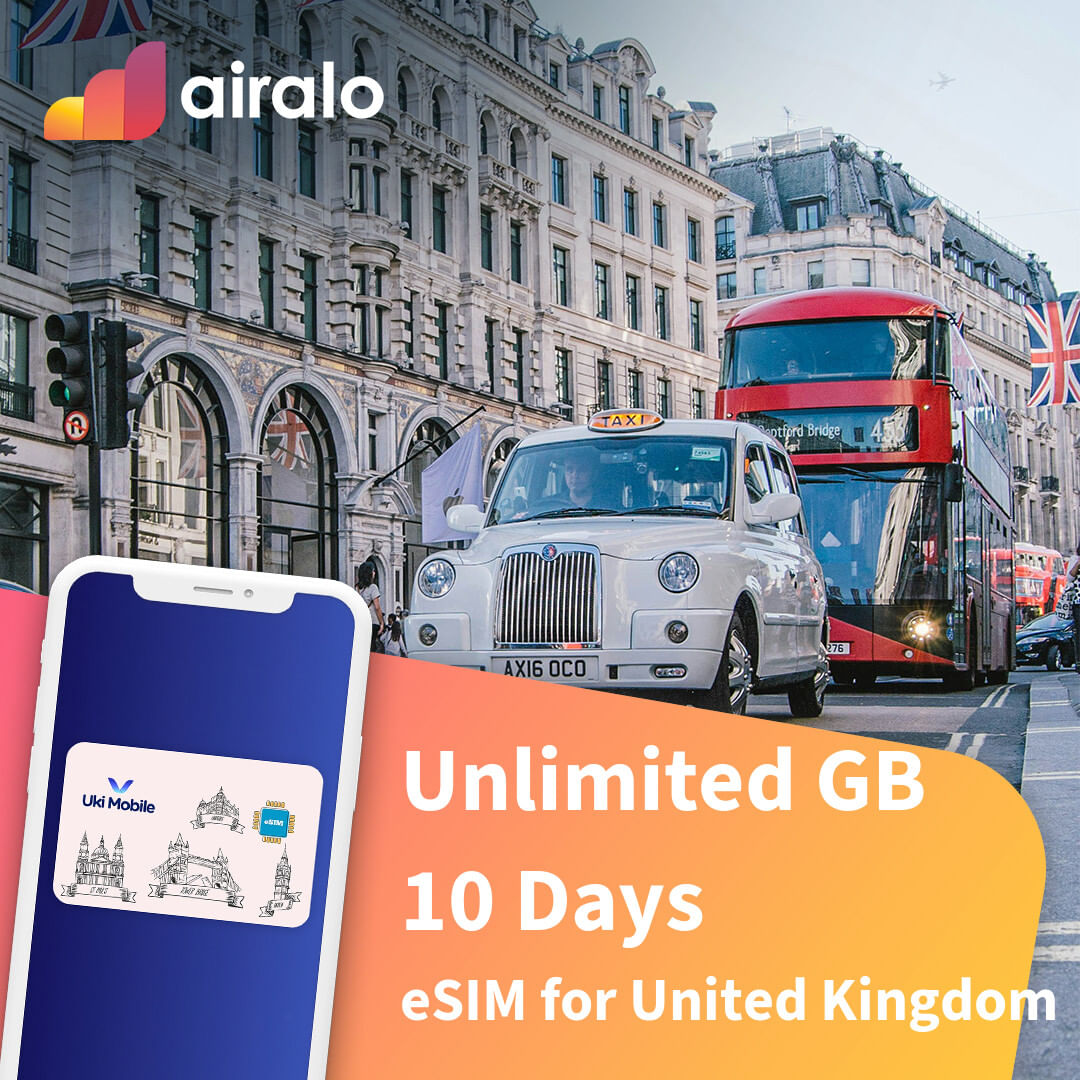
- Compare any upcoming UK passes with travel eSIMs or local UK SIM cards; depending on your usage, a short-term travel eSIM may be a more cost-effective option.
- Regular travellers might consider MVNOs that still treat the UK as an EU-like destination, though these policies can change quickly.
Conclusion
Iliad’s decision is less a surprise and more a confirmation of where the European market has been heading since Brexit. Among Italy’s major networks, it was the last to keep the UK inside its EU roaming footprint, but economic and regulatory realities have now caught up. By withdrawing that exception while simultaneously improving roaming inside the EU and adding Moldova and Ukraine to its EU list, Iliad signals a shift toward stricter alignment with regulation rather than temporary consumer-friendly gestures.
For travellers, the practical takeaway is straightforward: the UK now counts as a fully extra-EU destination for most Italian operators. Free UK roaming should no longer be expected by default. The advantage for consumers is that the broader connectivity market—from travel eSIM providers to competitive MVNOs—offers more options than ever. The responsibility, however, has shifted to the traveller: check your plan, compare alternatives, and choose the solution that best fits your trip rather than relying on old assumptions.