Best Travel SIM Cards: What to Buy and Why
If there’s one universal truth in travel, it’s this: the moment you land somewhere new, your phone suddenly becomes a very expensive brick unless you’ve sorted out your connectivity. And nothing kills the excitement of stepping into a new country faster than your mobile provider slapping you with “Welcome abroad! Roaming rates apply” texts like threats from a loan shark. That’s exactly why travel SIM cards still matter — yes, even in 2025, when eSIMs are everywhere. A good old physical SIM still solves problems that digital cards sometimes can’t: patchy eSIM coverage in remote areas, cheaper long-term data, and compatibility with older phones.

Let’s talk about how to choose the best travel SIM card, what actually matters (and what doesn’t), and which options travellers swear by. And we’ll do it without the boring brochure tone.
First, the big question: Why bother with a travel SIM card at all? Because roaming can be outrageous. Some European operators still charge €6 per MB in certain countries. Not per GB… per MB. That’s a Google Maps search. That’s sending a photo. That’s pain. Meanwhile, travel SIM cards give you something simple: plug it in, restart the phone, and you’re online with a local network at local prices. No weird roaming zones, no fear. Freedom.
But the “best travel SIM card” isn’t one-size-fits-all. It depends on where you’re going, what you need your phone for, how many countries you’ll cross, and whether you’re a streamer, a WhatsApp-only minimalist, or someone who uploads every cappuccino to Instagram Stories in 4K. So here’s the breakdown… starting with the things people don’t think about but absolutely should.
1. Where are you actually traveling? (Yes, this matters more than the brand.)
Operators love “world SIM cards” that promise coverage in 70+ countries. Sounds nice until you land in Brazil and discover you’re stuck on 3G that feels like dial-up nostalgia. A regional SIM card almost always beats a global one. Europe trip? Get an EU SIM card. Southeast Asia? Operators like AIS or Singtel dominate. USA? You’re better off with AT&T or T-Mobile-backed SIMs. The closer the SIM provider is to the area you’re visiting, the better the experience. There’s no magic card that works equally well everywhere — no matter what marketing claims.
2. How long are you staying? (Short trips vs long adventures.)
A week in Barcelona? You’ll be totally fine with a prepaid card offering 5–10 GB. Three months across multiple countries? That’s where things get trickier. Long-term travellers should look for SIM cards that allow top-ups without needing a local ID. Some SIM cards expire after 30 days and require a full repurchase, which is annoying (and unnecessarily expensive). If you’re a digital nomad, choose a SIM brand that behaves more like a subscription than a throwaway product.
3. Are you planning to hotspot or work remotely?
Travel SIMs often come with small “fair usage” policies hidden in the fine print. It’s usually phrased like “Unlimited data (5GB high-speed + throttling).” Translation: full speed for a few gigabytes, then welcome to Slowsville. If you’re uploading files, joining calls, sharing your connection with a laptop, or using Google Maps + Uber + content apps constantly, go for high-speed allowances. A 20–50GB travel SIM is the sweet spot for most people who work on the go.
4. Avoid buying SIM cards at the airport. Seriously, don’t do it.
Airport SIM counters are basically tourist tax machines disguised as convenience. You’ll pay 2× or 3× the normal rate for a card that locals buy for €5. If you’re landing at midnight and have no other choice, fine. But whenever possible, buy ahead online and get it delivered — or pick up a SIM from a city shop after arriving.
So… with all that in mind, what are some actually good travel SIM card options that travellers consistently rate highly? (No provider bias here — just what works.)

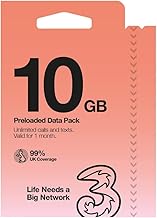
For Europe: Three UK or Orange Holiday
Three UK’s prepaid SIMs are surprisingly traveler-friendly. You get big data bundles, hotspot support, and coverage across most European destinations. Speeds are usually solid, especially in major cities. Orange Holiday is pricier but excellent for people who want everything pre-activated and seamless.
For the USA: AT&T Prepaid or T-Mobile Tourist
AT&T has fantastic rural coverage—important if you’re road-tripping or visiting national parks. T-Mobile Tourist is great for city-focused travellers, with strong speeds in urban areas and a simple setup.
For Southeast Asia: AIS Thailand or Singtel
AIS Super Traveller SIMs are legendary across the region. If your phone is unlocked, buying AIS at the airport in Bangkok is one of the few exceptions where airport prices are still fair. Singtel is the powerhouse in Singapore and works beautifully across neighboring countries.
For Australia & New Zealand: Telstra or Vodafone
Telstra gives you insane coverage (seriously, they reach places you wouldn’t expect to have signal), while Vodafone offers good value and easier top-ups.
For global trips: Keepgo or OneSim
These aren’t perfect, but they serve multi-country travellers well. Keepgo, in particular, has long-lasting data that doesn’t expire immediately, making it ideal for people who take multiple short trips throughout the year.
Now, let’s talk about compatibility, because travellers often forget this part. Your phone must be unlocked to use a travel SIM. If your device came from a carrier with a contract, double-check that it can accept another provider’s SIM card. You don’t want to get stuck with a useless SIM abroad. Also, some dual-SIM phones handle physical SIM + eSIM combinations better than others. If you travel a lot, having a dual-SIM device is a game-changer.
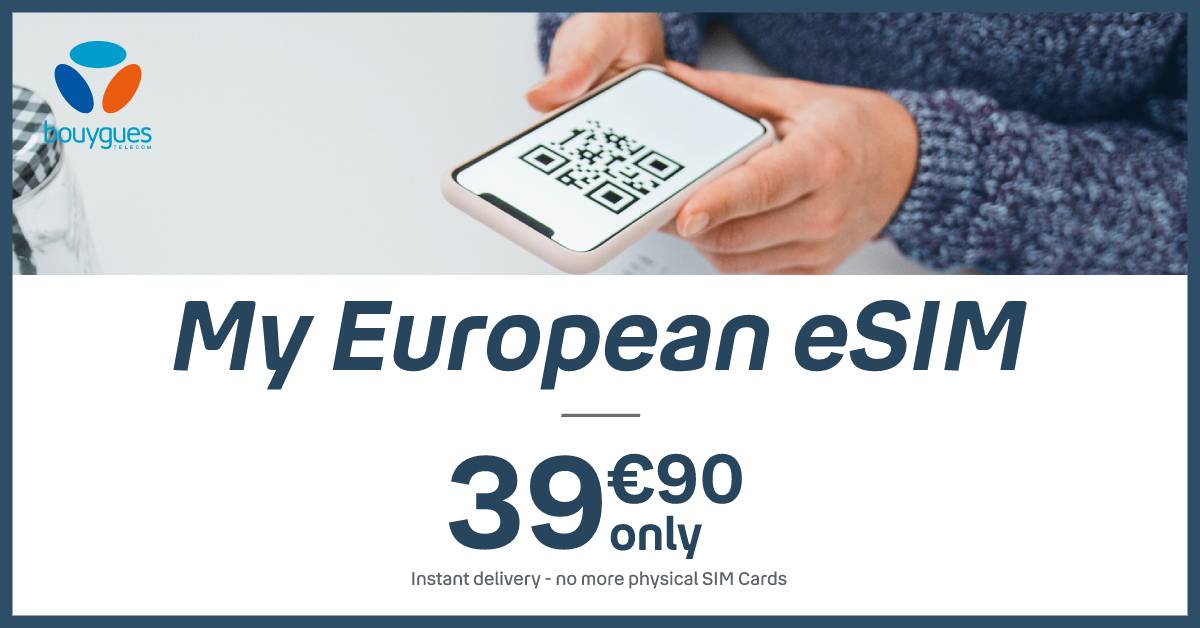
Another question people ask: “Should I get unlimited data?” Honestly… probably not. Unlimited plans abroad are almost always not truly unlimited. They throttle speeds or cap certain types of usage. Unless you’re streaming Netflix all day or using your phone as your main work hotspot, a 15–30GB plan is more than enough for most trips.
Here’s something else that makes a big difference: customer support. When you buy a local SIM card in a shop, the staff usually insert it, activate it, and check if it’s working before you leave. With travel SIM cards ordered online, that’s not always the case. Look for a provider with good support channels—WhatsApp, live chat, or email that actually responds. If everything goes smoothly, you’ll never need them. But when something goes wrong, you’ll be grateful.
So which travel SIM card is “the best”? The honest answer: the best one is the one that matches your trip, not the one with the most hype. If you’re visiting one country, go local. If you’re crossing several borders in a short time, go regional. If you’re working remotely, go high data. If you’re just messaging on WhatsApp and posting a few pictures, go simple.
Travel SIM cards aren’t glamorous, but they’re one of the smartest decisions you can make before a trip. A few euros ahead of time saves you headaches, roaming fees, and the awkward feeling of being offline when you really need Google Maps or a quick translation. And the best part? Once your phone connects instantly on arrival, you can forget all about it and focus on the things that actually matter—like exploring, eating, photographing, and living the moment.