Apple Brings Messages via Satellite to iPhone Users in Japan
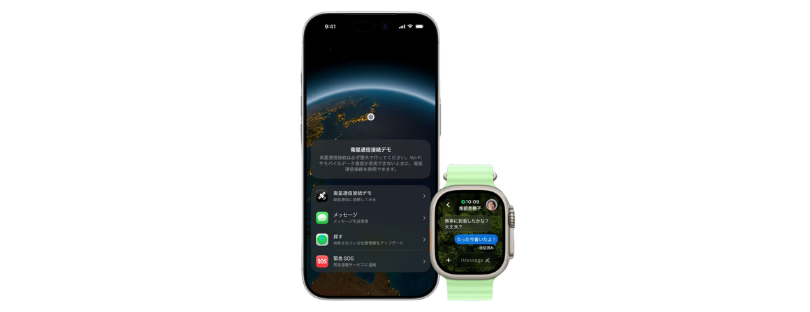
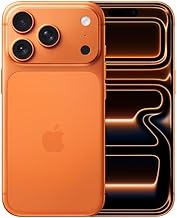
Apple just flipped the switch on one of its most quietly powerful new features: Messages via satellite is now live for iPhone users in Japan. If you’re on an iPhone 14 or later—or wearing an Apple Watch Ultra 3—your device can now send and receive messages even when you’re completely off the grid. No cellular bars. No Wi-Fi. Just you, the sky, and a satellite link.
For a country like Japan, where millions of people hike, ski, camp, and travel through regions with limited or no signal, this update is far more than a novelty. It’s Apple expanding everyday connectivity into a space that used to be reserved for emergencies only.
How Messages via Satellite Works for Users in Japan
The moment your iPhone realizes you have no cellular or Wi-Fi connection, you’ll see a quick prompt asking you to connect to the nearest satellite. Apple guides you through the alignment process with those familiar on-screen directional cues.
Once you’re locked in, you can:
- Send and receive iMessages
- Send and receive SMS
- Use emoji
- Use Tapbacks (because yes—satellite or not, people need to react with a heart emoji)
And importantly, all messages sent via satellite remain end-to-end encrypted. Apple isn’t downgrading privacy just because the signal path takes a detour through space.
Japan already had access to Emergency SOS via satellite and Find My’s location-sharing via satellite. Messages is the third pillar, turning Apple’s satellite suite into something consumers can use not just when things go wrong, but whenever connectivity drops.
Software Requirements and Supported Devices
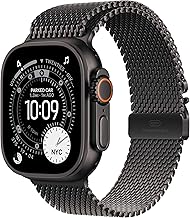
If you’re running iOS 18 or later on an iPhone 14/15/16, you’re good to go. Apple Watch Ultra 3 users will need watchOS 26 or later to enable the feature from the wrist.
One important detail: satellite messaging remains completely free. No subscription, no usage fee, no small print. That’s a strategic choice in a market where satellite connectivity historically meant premium pricing.
Why Japan Matters in Apple’s Satellite Roadmap
Japan isn’t just another market on Apple’s rollout list. It’s a country with one of the world’s highest mobile penetration rates, the most sophisticated carrier landscape, and millions of users who travel both domestically and internationally. Every Japanese carrier—from NTT Docomo to SoftBank—has spent the last two years experimenting with satellite partnerships and non-terrestrial network (NTN) strategies.
Apple’s expansion here signals three things:
- The satellite feature set is mature enough for high-demand markets
Japan expects reliability and polish. Apple wouldn’t launch here if the experience wasn’t smooth. - APAC is becoming a major battleground for next-gen connectivity
Companies like Huawei, Samsung, Qualcomm, and Sony are all discussing NTN support. Apple moving now builds early user habits. - Consumer satellite messaging is shifting from emergency-only to everyday utility
This is the transition moment—what SOS was in 2022, messaging is in 2025.
What This Means for Travelers, Digital Nomads, and Outdoor Users
If you’re hiking in Aomori, road-tripping through Hokkaido, or deep in the mountains of Nagano, you no longer need to worry about being totally cut off. The same applies to travelers landing in Japan with an iPhone 14 or newer.
That matters for two reasons:
- Japan’s geography creates natural dead zones. Even with the country’s excellent infrastructure, rural and mountainous areas don’t always have perfect coverage.
- Global travelers demand persistent connectivity. Satellite messaging quietly fills this gap without requiring extra hardware or subscriptions.
Japan’s tourism industry is also booming again. With inbound visitors expected to hit record highs in 2025, having Apple’s satellite messaging available adds an extra layer of perceived safety and convenience for travelers.
Apple vs. the Industry: Where It Stands Now
How Competitors Are Approaching Satellite Messaging
Apple is not the only company trying to bring satellite connectivity into mainstream consumer devices, but Apple is the first to make messaging via satellite feel native and frictionless.
- Samsung has announced plans for satellite messaging on future devices, working with Iridium—but the rollout has been slow and limited.
- Qualcomm previously teased Snapdragon Satellite with Garmin-powered messaging but quietly paused the program after failing to scale carrier partnerships.
- Huawei supports satellite texting in China using the Beidou system, but global reach remains restricted.
- Bullitt Group, the brand behind CAT and Motorola rugged phones, offers satellite messaging via Inmarsat and Skylo, though the experience requires a subscription and a separate app.
Apple’s advantage is simple:
The feature is built into Messages—the app people already use 100x a day. No new interface, no special plan, no separate login.
And because Apple already signed a multi-year deal with Globalstar for satellite bandwidth, it controls enough capacity to keep the experience consistent across markets.
Where the Market Is Heading
Satellite messaging is quickly becoming the next must-have feature for flagship smartphones.
Reliable industry sources—including GSMA Intelligence and SpaceNews—point out that non-terrestrial networks (NTN) will be a major growth driver for consumer devices through 2030. The European Union’s IRIS² program, SpaceX’s Starlink Direct-to-Cell roadmap, and Amazon’s Kuiper plans all point to the same direction: phones talking directly to satellites will soon be standard, not premium.
Apple bringing everyday messaging into the mix accelerates that curve dramatically.
Satellite Messaging Is Moving From Gimmick to Expected Utility
Apple’s launch of Messages via satellite in Japan isn’t just an update—it’s a shift in how consumers will think about staying connected. By keeping the feature free and embedding it directly in the core messaging app, Apple is normalizing satellite use in everyday life.
While competitors have prototypes, partnerships, or rugged-phone solutions, none deliver Apple’s seamlessness or global brand trust. Sources like GSMA, IDC, and SpaceNews point to massive growth ahead for NTN connectivity, and Apple is positioning itself not just to follow the trend but to define it.
For Japan—a tech-forward nation with diverse geography and high expectations for reliability—this rollout makes perfect sense. For the rest of the world, it signals where the future of connectivity is heading: a blend of terrestrial and satellite networks where losing signal simply won’t matter anymore.