Hotels Race to Adopt Passwordless and Biometric Security
The hospitality sector has always been built on trust — you hand over your personal details long before you step into the lobby. But that trust has been strained in recent years as centralised guest databases become prime targets for cyberattacks. Hotels handle everything from passport numbers to payment cards to loyalty histories, and storing all of this in one place creates a single point of failure that cybercriminals know how to exploit. hotel digital identity

As digital threats rise and regulations tighten, hotel groups are finally moving away from the old username-and-password model and experimenting with new authentication methods that reduce data exposure at every step of the guest journey. From passwordless logins to decentralised identity wallets and biometric check-ins, the industry is entering a new phase where security and convenience no longer compete — they reinforce each other.
The cost of keeping all guest data in one place
Like airlines, hotels collect vast amounts of personal information. A single resort brand operating worldwide might process millions of profiles through its CRM and loyalty system. Every new booking adds another entry — and another opportunity for attackers.
Centralised storage is efficient for operations, but disastrous when breached. Industry reports from cybersecurity firms such as Trustwave and IBM continue to place hospitality among the most frequently targeted sectors, largely because attackers know the data is both valuable and easy to monetise.
Other high-volume digital industries experience similar pressure. E-commerce marketplaces and online gaming platforms process thousands of transactions at once and must verify users instantly to reduce fraud. Their solution? Move beyond passwords, encrypt more data, and authenticate users without storing sensitive credentials. Hotels are now following that same trajectory, recognising that the more information they store centrally, the more attractive they become to attackers.
Implementing passwordless systems
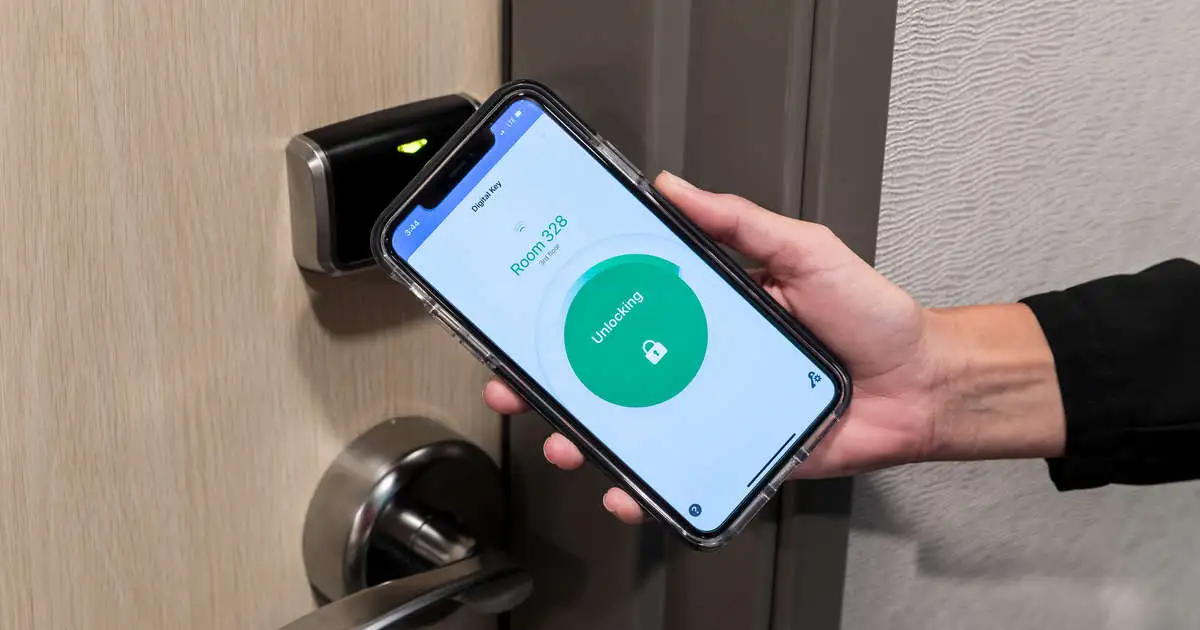
Passwordless authentication is one of the fastest-moving trends in hospitality tech. Instead of remembering yet another password or falling back on easily guessable combinations, guests verify their identity directly through a trusted device.
The hotel’s system checks a cryptographic credential — often in the form of Passkeys stored on a guest’s smartphone — and the login happens without any sensitive information passing through the server. There’s nothing to steal, nothing to phish, and nothing for attackers to crack.
It’s already proving effective. Several global hotel groups are piloting Passkey-based loyalty logins, reducing account takeovers and slashing support tickets related to password resets. Guests get a frictionless experience; hotels get fewer security headaches.
Some platforms add a second layer, such as a one-time code or biometric prompt, but the core benefit remains the same: the password is gone, and so is the weakest link.
Moving towards decentralised identity
A more transformative shift is beginning with decentralised identity (DID). Instead of sending all personal data to a hotel’s server, guests hold verified credentials in a secure digital wallet. The hotel sees only what it needs — not the entire data set.
A DID wallet might confirm that a guest is over 18, that a booking is valid, or that a payment method is authenticated, without revealing unnecessary details. Early pilots from global chains in Asia and the Middle East show that DID can dramatically lower the risk of mass data breaches because large databases simply stop existing.
It also speeds up operations. A verified identity presented directly from a wallet means faster check-ins, fewer document scans, and less manual verification. And, importantly, it gives guests a sense of ownership over their data — something regulators increasingly want and travellers increasingly expect.
Biometrics step out of the airport and into the hotel lobby
If airports can board 200 passengers in minutes using facial recognition, why should hotel check-in still rely on passports and clipboards? That’s the thinking behind the latest wave of biometric deployments.
Facial recognition kiosks, fingerprint-enabled room access, and biometric confirmations in mobile apps are slowly making their way into hotels, inspired by the aviation industry’s success with seamless identity journeys.
Biometrics do raise privacy questions, of course, but with proper consent management and secure storage (or, ideally, local-device storage only), they offer unmatched accuracy and speed. Marriott, Hyatt, and several luxury chains in Asia have already tested biometric check-ins for VIP guests to reduce queue times and enhance security.

Future-proofing compliance in a fast-changing regulatory world
GDPR, California’s CCPA, and emerging data laws in the Gulf and Asia are raising the bar for how guest data should be handled. Hotels that cling to outdated authentication systems risk not just breaches but regulatory penalties and brand damage.
Tokenisation, verifiable credentials, and decentralised identity frameworks align closely with new compliance expectations — minimising what data is stored, limiting what is shared, and reducing how long it lives on servers.
Conclusion: Hotels are joining a wider global shift — and the timing couldn’t be better
What’s happening in hospitality isn’t happening in isolation. Travel providers, fintech companies, gig-economy platforms, and even global retailers are adopting passwordless authentication, biometrics, and decentralised identity to reduce fraud and protect users. The hotel industry is simply catching up to where digital trust is already heading.
Reliable market sources like Skift, Phocuswright, and Gartner have been signalling this shift for years: travellers expect seamless digital journeys, and regulators expect airtight security. Hotels that modernise their authentication stack now will compete directly with the standards set by airlines, OTAs, and digital-first travel brands — many of which are already years ahead.
Those that do not evolve will continue facing the same cycle of breaches, reputational damage, and rising compliance pressures.
In hospitality, trust is the product. Strengthening digital identity isn’t just a technical upgrade — it’s the new foundation for guest loyalty in a world where safety, privacy, and convenience must work together. hotel digital identity