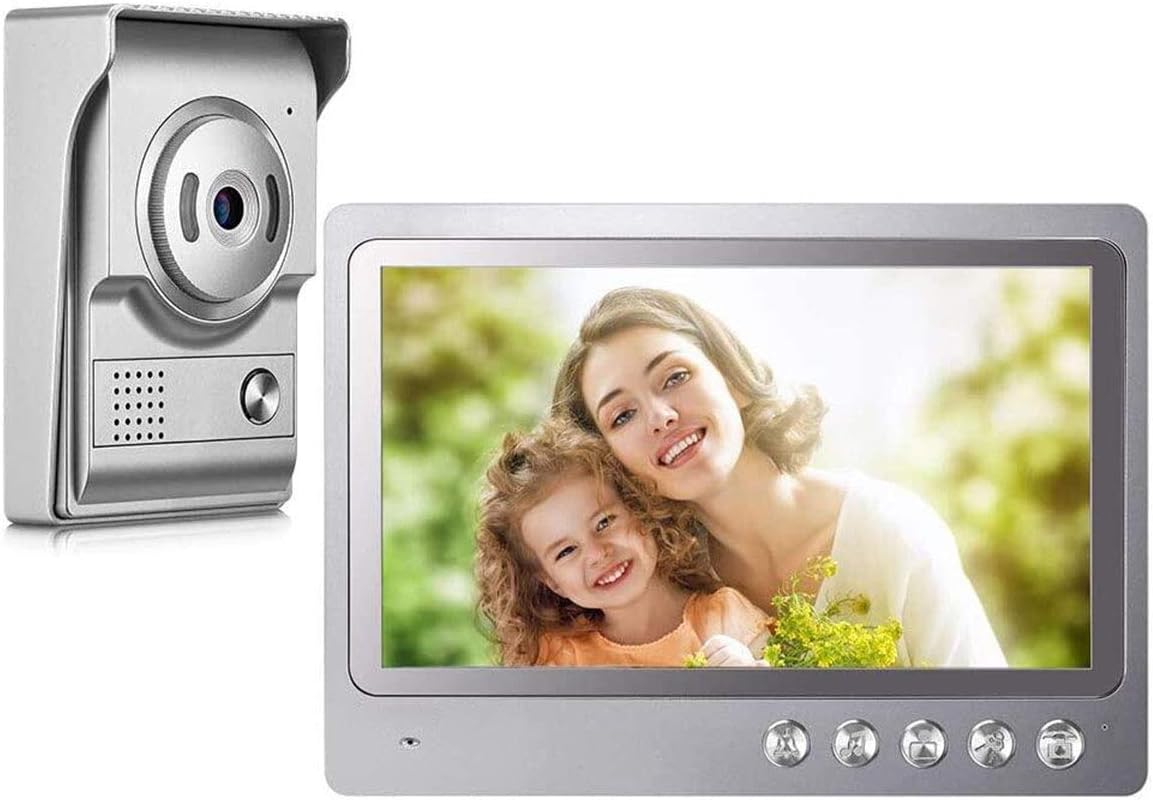
Fermax and Telefónica Tech Push Video Intercoms Into IoT Era
Fermax is not a new name in European buildings. If you have ever lived in an apartment block in Spain, France, or Portugal, chances are you have already pressed one of its buttons. What is new, and increasingly important, is how that familiar door entry panel is quietly turning into a fully connected IoT device.
That shift just took a major step forward. Fermax, the Spanish manufacturer with more than 75 years of experience in video door entry and access control, has chosen Telefónica Tech as its IoT connectivity partner. The agreement covers Spain and key European markets such as France and Portugal, and it signals where the access control market is heading next.
From doorbell to connected infrastructure
At the heart of this partnership is managed IoT connectivity delivered through Telefónica Tech’s Kite platform. For Fermax, this means something very concrete: full, real-time visibility and centralized remote control over every connected video door entry panel that uses a SIM card.
So far, Telefónica Tech has already connected more than 27,000 Fermax video door entry panels. These systems rely on 4G connectivity and include a non-removable SIM-IoT card, making them permanently connected to mobile networks without depending on residents’ Wi-Fi or local broadband setups.
That detail matters more than it sounds. In multi-dwelling buildings, connectivity is often the weakest link. By embedding cellular connectivity directly into the panel, Fermax removes an entire layer of friction for installers, property managers, and end users.
Ángel Sánchez, Director of Business Development at Fermax, puts it clearly:
“This agreement is part of Fermax’s strategy to promote connected access solutions, supported by reliable and managed IoT connectivity. Having a technology partner like Telefónica Tech allows us to operate our fleet of connected panels centrally, scale with confidence and lay a solid foundation for the development of new digital services, both for end users and other players in the ecosystem.”
Why managed IoT matters for access control
Unlike consumer smart home gadgets, building access systems are critical infrastructure. Downtime, misconfigurations, or delayed maintenance are not just inconvenient. They can quickly turn into security risks or costly on-site interventions.
Telefónica Tech’s managed IoT connectivity changes the operational model. Through the Kite platform, Fermax and its installer network can monitor, manage, and maintain connected panels remotely and in real time. Faults can be detected early. Software updates and configuration changes can be handled centrally. Many issues can be resolved without sending a technician on-site.
Juan José González Menaya, Head of IoT Connectivity at Telefónica Tech, explains the end result for users:
“Thanks to our IoT connectivity, Fermax video door entry systems become connected devices that offer a much more convenient and secure experience for the user, allowing them to interact with their home or building from anywhere, for example, by opening the door remotely from their mobile phone. At the same time, our Kite platform allows Fermax to centrally manage and monitor all connected installations, ensuring optimal operation and anticipating potential incidents before they impact the service.”
This combination of user-facing convenience and backend operational control is exactly where access control is converging with broader smart building trends.

What residents actually experience
For residents, the technology fades into the background. Once a building is equipped with a connected Fermax system, users simply download the DuoxMe app. From there, they can see who is calling their intercom, speak to visitors, and open the door remotely from their smartphone.
The experience mirrors what people already expect from smart home ecosystems, but with enterprise-grade reliability. Communications are encrypted, access is controlled, and privacy is protected. Importantly, residents do not need to be at home or even on the same network to interact with the system.
Security, prevention, and the “always at home” effect
Beyond convenience, connected video door entry systems play a growing role in security and intrusion prevention. With IoT connectivity, users receive instant notifications when someone calls their home. They can visually identify and speak to the visitor before deciding whether to grant access.
High-quality audio and video, combined with remote interaction, create what many in the industry call the “always at home” effect. Even when a property is empty, it does not appear unattended. This has proven to be a strong deterrent in residential and mixed-use buildings, particularly in urban environments.
Scaling ambitions toward 2030
Fermax is not treating this as a small pilot. The company has set a clear target: more than 100,000 connected video door entry systems by 2030. From 2026 onwards, it expects annual growth of between 15,000 and 20,000 new connected installations.
That scale places Fermax firmly among the more ambitious players in Europe’s connected access control market. It also explains why managed IoT connectivity, rather than ad-hoc connectivity solutions, is a strategic necessity rather than a nice-to-have.
How does this compare to the wider market?
Across Europe, access control and intercom manufacturers are racing toward connectivity. Companies like Aiphone, Comelit, and even newer smart intercom startups are integrating cloud platforms, mobile apps, and remote management features.
The key difference lies in how connectivity is handled. Many solutions still rely heavily on building internet connections or local network configurations. Fermax’s approach, using embedded cellular IoT managed at scale by a major telecom group, aligns more closely with trends seen in smart metering, mobility, and industrial IoT.
Industry reports from sources such as GSMA Intelligence and Deloitte consistently point to managed IoT connectivity as a critical enabler for scalable, secure, and maintainable connected infrastructure. In that context, Fermax’s partnership with Telefónica Tech looks less like a one-off deal and more like a textbook example of where the market is moving.
Conclusion: a quiet but telling shift in smart buildings
What makes this story interesting is not just the technology itself, but what it represents. Access control is no longer a standalone hardware category. It is becoming part of the connected services layer of buildings, alongside energy management, security, and digital tenant services.
By betting on managed IoT connectivity and setting clear growth targets, Fermax is positioning itself closer to telecom-grade reliability than consumer smart home experimentation. Compared with competitors that still depend on fragmented connectivity models, this approach offers a stronger foundation for long-term scalability and new services.
For Alertify readers watching the intersection of telecom, IoT, and smart infrastructure, this partnership is a strong signal. The future of door entry systems will not be defined by buttons and screens, but by connectivity, data, and the ability to manage thousands of devices as a single, secure digital fleet.