EIOTCLUB brings third-generation IoT eSIM and EIM platform to CES 2026
At CES 2026 in Las Vegas, EIOTCLUB is not just launching another SIM product. It is making a very clear statement about where IoT connectivity is heading next.

The company announced it will debut its third-generation IoT eSIM physical card together with a new remote SIM management platform called EIM, short for eSIM IoT Manager. The launch is scheduled for January 6 to 9 at CES, where EIOTCLUB plans to show live demos of real deployments rather than polished concept slides.
For device manufacturers, platforms, and solution integrators who are already wrestling with fragmented connectivity stacks, this matters. The promise here is simple but ambitious: make eSIM adoption for IoT finally feel practical at scale.
A third-generation eSIM designed specifically for IoT
Most people still associate eSIM with smartphones. That is part of the problem. Second-generation eSIM technology, the kind used in phones, was never designed for devices that are deployed unattended for years, spread across countries, or sold through complex B2B channels.
EIOTCLUB’s third-generation eSIM is built with those realities in mind. It supports batch remote SIM management, a critical capability when you are dealing with thousands or millions of devices rather than individual consumers. Think security cameras mounted on buildings, routers installed in retail chains, or industrial equipment running around the clock.
Importantly, this eSIM remains backward compatible with second-generation eSIM functionality. That means manufacturers are not forced into an all-or-nothing upgrade. They get continuity, but with added capabilities that actually match commercial IoT use cases.
Built on GSMA SGP.32 and security certified
From a standards perspective, EIOTCLUB is aligning itself with where the industry is moving, not where it has been.
The third-generation eSIM is developed in line with the latest SGP.32 specification from GSMA, which is quickly becoming the reference framework for IoT-focused eSIM deployments. SGP.32 is designed for long device lifecycles, multi-operator environments, and global scale, all pain points that earlier standards struggled to address.
On the compliance side, EIOTCLUB has passed the GSMA Security Accreditation Scheme for UICC Production (SAS-UP). For enterprises and public-sector buyers, that certification is not a nice-to-have. It is often a procurement requirement.
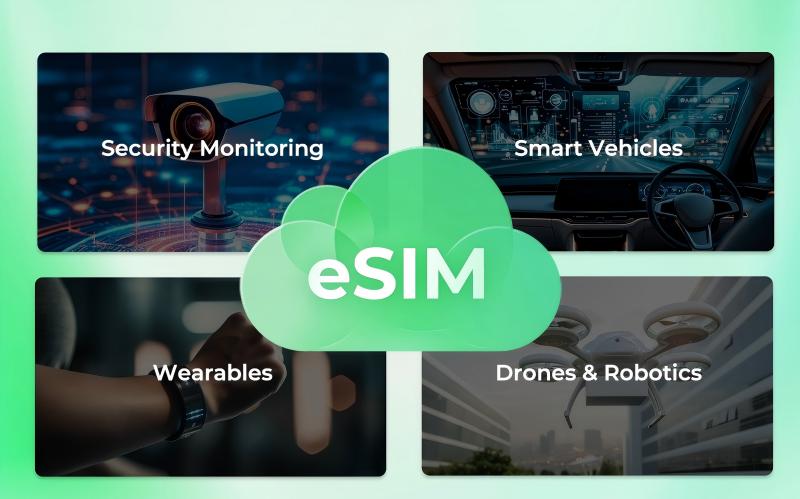
At CES, EIOTCLUB says it will showcase deployments already using this architecture in areas like network routers, mPOS terminals, industrial equipment, and surveillance systems. That is a notable shift from hypothetical use cases to operational ones.
Removing one of IoT’s biggest blockers: integration complexity
If there is one consistent complaint from hardware makers exploring eSIM, it is this: integration is expensive, slow, and overly dependent on vendor-specific software stacks.
Traditional IoT eSIM models often require manufacturers to embed additional eSIM software, coordinate tightly with SIM vendors, and redesign parts of their firmware. That adds R&D cost and delays launches, especially for smaller teams or fast-moving product lines.
EIOTCLUB is positioning its solution as a way around that bottleneck. The company is betting on a plug-and-play cloud eSIM model that does not require extra device-side development.
Plug-and-play cloud eSIM powered by EIM
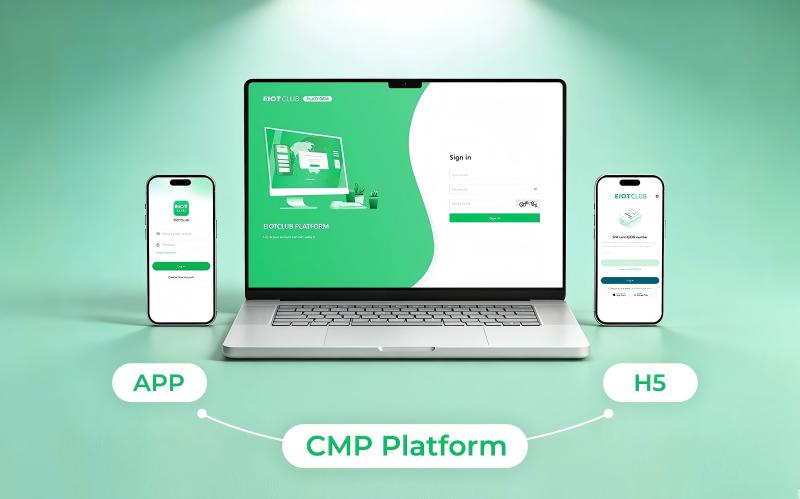
Each third-generation EIOTCLUB eSIM card ships with remote management capabilities already enabled. Once inserted into a device, all subsequent operations occur through the EIM cloud platform.
From a single interface, customers can remotely configure eSIMs, manage connectivity across fleets, and control networks and data plans at scale. Crucially, there is no requirement to integrate additional eSIM software into the device firmware and no need to modify existing hardware designs.
For many IoT teams, that changes the internal business case entirely. eSIM moves from being a long-term architectural project to something that can be adopted within existing product cycles.
Faster time to market and a realistic upgrade path
For brands and channel partners, the commercial implications are clear.
Shorter development cycles mean products can reach market faster. Reduced integration effort lowers upfront costs. And perhaps most interestingly, existing deployed devices can gain third-generation eSIM remote management capabilities without being physically replaced.
That upgrade path matters in a market where hardware lifecycles often stretch five to ten years. Being able to modernize connectivity without touching the device itself is a strong advantage.
Designed for devices already in the field
EIOTCLUB is not aiming this solution at experimental prototypes. The target is devices that are already commercialized or being rolled out at scale.
Security and video surveillance systems, network communication equipment, payment terminals, and industrial IoT devices all share similar requirements: long-term connectivity stability, centralized control, and minimal maintenance overhead. Those are exactly the environments where traditional SIM logistics and fragmented connectivity models start to break down.
About EIOTCLUB
Founded in 2019 and headquartered in Seattle, EIOTCLUB focuses on IoT connectivity services, including IoT SIM cards, mobile data services, and multi-network connectivity solutions. Its portfolio spans global deployments across multiple industries, supported by centralized management platforms designed for real-world operations rather than lab conditions.
Conclusion: how this fits into the wider IoT eSIM landscape
If you step back and look at the broader market, EIOTCLUB’s move fits neatly into a larger shift happening across IoT connectivity.
Players like 1NCE, Soracom, and Vodafone IoT are all pushing toward simplified, platform-centric connectivity models. At the same time, GSMA’s push behind SGP.32 signals that the industry has accepted that IoT eSIM cannot simply be a smartphone concept repackaged.
What differentiates EIOTCLUB here is not just standards alignment, but execution focus. The emphasis on plug-and-play deployment, backward compatibility, and existing hardware upgrades addresses real friction points that many competitors still leave to system integrators to solve.
Analyst commentary from firms like Transforma Insights and GSMA Intelligence consistently highlights lifecycle management and operational simplicity as the next battleground for IoT connectivity. Hardware is no longer the bottleneck. Managing it, securely and globally, is.
CES 2026 will not decide the winner of the IoT eSIM race. But EIOTCLUB’s third-generation eSIM and EIM platform shows a clear understanding of where that race is heading and what enterprise buyers are actually asking for now.