There is one question we keep seeing in travel groups, airport lounges, and right before boarding when Wi-Fi is flaky: “Does my phone even support eSIM?”
If you are shopping for a travel eSIM, switching carriers, or trying to run two numbers (work and personal, or home and travel), eSIM support is the gatekeeper. The good news is that most modern flagship phones do support it. The less fun news is that “support” can change by model year, region, and even which version of the same phone you bought.
So let’s treat this like a quick newsroom feature for Alertify readers: what eSIM support actually means, which phones are typically covered, and the gotchas that still trip up real people.
What “eSIM supported” really means
An eSIM is a digital SIM built into your phone. Instead of inserting plastic, you download a carrier profile (often via QR code or an in-app setup) and your phone stores it securely.
But “eSIM supported” can mean a few different things in practice:
Your phone has eSIM hardware, and your carrier supports activating it
Your phone can run eSIM plus a physical SIM (dual SIM setup)
Your phone can store multiple eSIM profiles, but only one (or two) can be active at a time
Your specific regional model has eSIM disabled or missing (yes, that still happens)
Apple’s own support pages are a good reminder that even within the same iPhone generation, SIM capabilities can vary by country and model.
How to check your phone in 60 seconds
Before you dive into lists, do the simple check. It is faster and avoids guessing.
Quick checks
iPhone (iOS): Settings → Cellular (or Mobile Data). If you see Add eSIM or Add Cellular Plan, you are in the right place. Apple’s setup guide walks through the typical flows.
Google Pixel (Android): Settings → Network & Internet → SIMs. Pixels are built for eSIM and Google even publishes setup guidance for dual SIM configurations.
Samsung Galaxy (Android): Settings → Connections → SIM manager. If you see Add eSIM, you are good. Samsung’s support pages also keep device family lists for eSIM.
If the menu is not there, it could be an older phone, a region-limited variant, or a carrier firmware situation. That is where the lists become useful.
iPhone eSIM support: simple, with regional twists
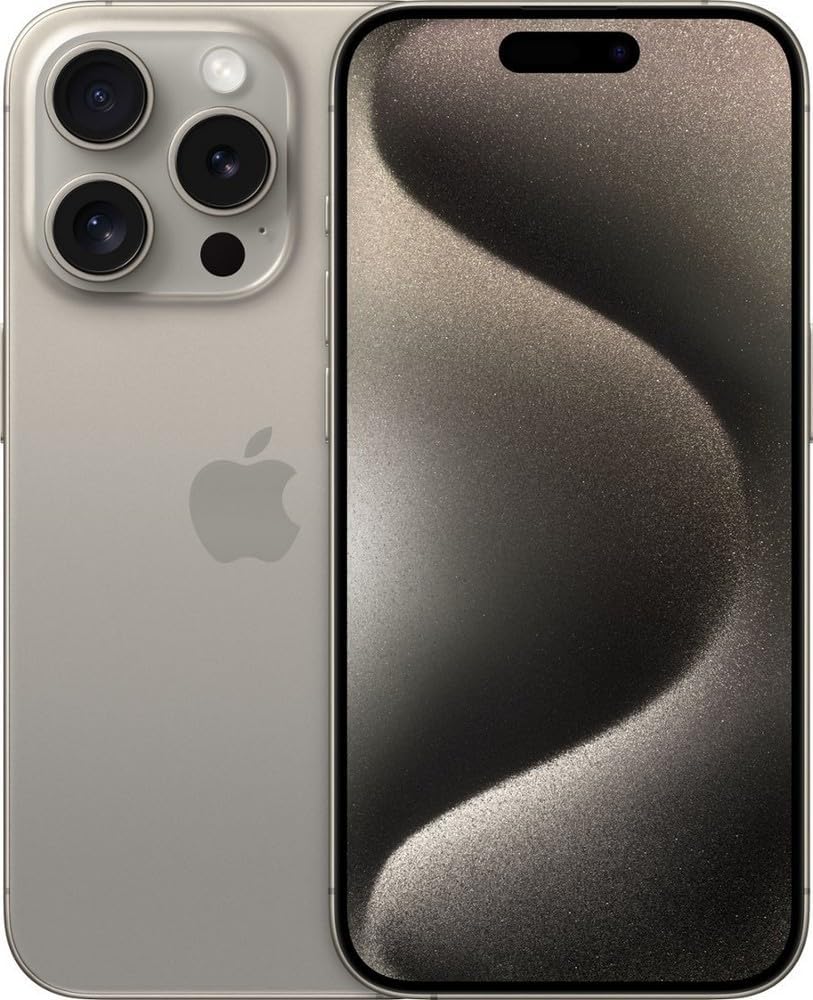
Apple has pushed eSIM into the mainstream more than any other consumer brand, and its documentation is refreshingly direct. Apple maintains an official “which SIM does your iPhone use” style list, including “eSIM only” cases in some regions.
In plain English: most newer iPhones support eSIM, but you should watch for region-specific versions that do not. Third-party travel eSIM brands also flag this, especially for certain China region models.
What typically works
iPhones from the last several years almost always support eSIM
Many iPhones support dual SIM via eSIM + physical SIM, or in some cases dual eSIM, depending on model and region
Some markets have eSIM-only iPhone variants, which is a signal of where the industry is going
If you are a frequent traveler, the practical takeaway is that iPhone users are usually in the easiest lane for travel eSIM activation, as long as the phone is unlocked and not a region variant that removed eSIM.
Samsung Galaxy: wide support, but check the exact model family
Samsung’s eSIM story is strong, but it is also sprawling because Samsung ships a lot of models across a lot of markets.
The most reliable approach is to trust Samsung’s own support lists for Galaxy eSIM-capable devices. Depending on the Samsung support region page, you will see many flagship and foldable lines listed, including recent S-series and Z-series families.
Samsung families that commonly include eSIM (H5)
Galaxy S series (flagships)
Galaxy Z Fold / Z Flip (foldables)
Some FE models, depending on the generation
The big gotcha with Samsung is that midrange naming can get confusing fast. Two phones can look nearly identical on a shelf, yet only one includes eSIM in your region. For travelers, that means: verify in Settings first, then double-check the exact model number if you are buying specifically for eSIM travel.
Google Pixel: eSIM is basically part of the identity
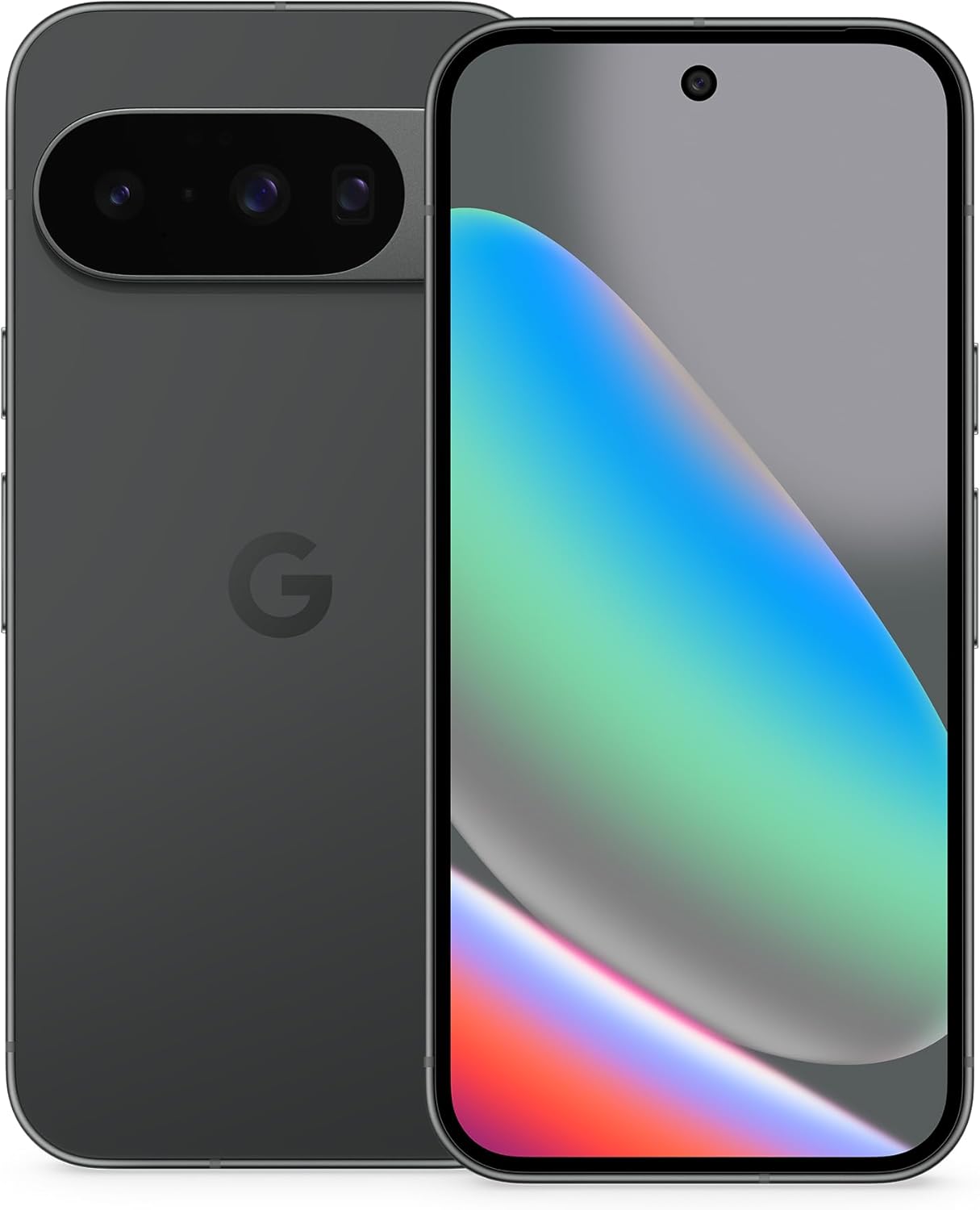
Pixels have been eSIM-friendly for years, and Google explicitly markets dual SIM capability (eSIM + nano SIM) and provides setup guidance.
If you are choosing a phone with travel eSIM as a priority, Pixels tend to be one of the safest bets in the Android world. Just remember that carrier lock policies still matter: even the most eSIM-ready Pixel can be blocked from activation if it is locked to a carrier.
The regional and carrier “gotchas” nobody tells you at checkout
This is the part that causes 90% of activation headaches.
The usual traps
Region-specific models without eSIM: Some manufacturers sell versions in certain markets where eSIM is not included. Even eSIM sellers warn that some regional models may not be compatible.
Carrier-locked phones: Your phone can support eSIM technically, but still refuse to activate an eSIM profile until it is unlocked. This is especially common with phones bought on installment plans.
Firmware differences: On some Android phones, eSIM menus can be hidden until a software update is installed, or until the phone is provisioned by a carrier.
Work phones and MDM policies: Corporate device management can restrict adding new SIM profiles.
If you are traveling soon, do not wait until you are at the destination to test. Add the eSIM at home (even if you only activate data when you land). It is the simplest way to avoid the “I am in arrivals with no internet” problem.
Why is accelerating now
We are heading into the “eSIM is default” era, and the industry data points in the same direction. GSMA Intelligence has been tracking consumer eSIM device commercialization and adoption forecasts into 2030, explicitly framing 2026 and beyond as an acceleration phase.
On the public-facing side, the travel eSIM market is also pushing awareness. Coverage is expanding, prices are falling, and travel brands keep bundling connectivity into the trip. But consumer confusion remains stubborn: people still do not know if their phone supports eSIM, which is why this topic keeps trending.
Practical buying advice for 2026 travelers
If you are buying your next phone with travel eSIM in mind, think less about hype and more about predictability.
What to prioritize
Buy unlocked (or confirm unlock eligibility date)
Choose flagship lines if eSIM is non-negotiable (they get the most consistent support)
Avoid region ambiguity: if you import phones, confirm that your exact model variant supports eSIM
Test before you travel: add an eSIM profile while you still have stable Wi-Fi
Conclusion
Here is the real shift to watch: eSIM support is no longer a premium feature, it is becoming table stakes, and Apple, Samsung, and Google are shaping that baseline in different ways.
Apple’s advantage is consistency and documentation. The iPhone experience is usually the smoothest because Apple treats eSIM as a core workflow and publishes clear guidance on SIM types and setup. Samsung’s advantage is scale: eSIM is present across many flagship and foldable families, but the buyer has more homework because model variants can differ by market. Google’s advantage is intent: Pixels are built with eSIM and dual SIM in mind, and Google actively explains how to use it.
Where does that leave “similar players” and the broader market? The trendline is that OEMs and carriers are normalizing eSIM, while travel eSIM brands are turning it into a mainstream travel habit. That combination is why GSMA Intelligence is already framing the next phase as an acceleration period starting in 2026. The phones are catching up fast, the commercial ecosystem is catching up slower, and the gap in the middle is still education.
So the most useful mindset for you as a traveler is simple: treat eSIM like a capability you verify, not a promise you assume. When you do that, you stop shopping based on marketing labels and start traveling with a setup you already know works.
Did you know that there is also a product that can upgrade almost every smartphone to the new standard, once and for all? In addition, eSlM.me is currently the only way to use DUAL eSIM on an Android smartphone. Check out eSIM.me.
Driven by wanderlust and a passion for tech, Sandra is the creative force behind Alertify. Love for exploration and discovery is what sparked the idea for Alertify, a product that likely combines Sandra’s technological expertise with the desire to simplify or enhance travel experiences in some way.