


WEtell Partners With 1GLOBAL to Bring Travel eSIMs to Its App
Germany’s sustainability-focused mobile operator WEtell is expanding beyond its home market, but not by building another international roaming network. Instead, it has partnered with 1GLOBAL to offer travel eSIM plans directly through its existing customer app.
The service launches on October 28, 2026, covering more than 40 countries, including destinations in Europe and Southeast Asia. Customers can select a destination, choose a data allowance and install a travel eSIM without visiting another provider’s website.
For Freiburg-based WEtell, which has built its identity around environmentally responsible telecommunications and socially conscious pricing, international connectivity represents a natural extension of its offering.
For 1GLOBAL, it is another example of something increasingly important in telecom: connectivity becoming a feature inside an existing customer relationship rather than a separate product that people actively search for.
Travel Connectivity Without Leaving the WEtell App
The new service is powered by 1GLOBAL’s white-label connectivity platform and Connect API, which allows businesses to integrate mobile data services into their own applications.
WEtell handles the customer-facing experience, while 1GLOBAL supplies the underlying connectivity infrastructure. The company operates its own core network and reports relationships with more than 600 mobile carrier partners worldwide.
The distinction matters. WEtell does not need to negotiate individual international network agreements or develop a separate travel connectivity platform. It can introduce new services while keeping the purchasing process within its existing digital environment.
READ MORE: The Invisible Platforms Powering the eSIM Market
Imagine a WEtell customer preparing for a two-week trip to Thailand. Rather than comparing unfamiliar eSIM websites, downloading another application or purchasing a physical SIM after landing, they can arrange connectivity through a provider they already know.
There is an important qualification, however. Buying a travel eSIM does not automatically make it cheaper than every roaming option. Pricing, data allowances, validity periods and network performance still determine whether a particular plan represents good value.
WEtell’s announcement also leaves some useful questions unanswered, including specific plan prices, network choices and whether customers can top up existing packages.
Sustainability Is Part of the Story, Not the Whole Story
WEtell’s environmental positioning gives this partnership a different character from a conventional travel eSIM launch.
The operator has invested in carbon reduction initiatives and experimented with donation-supported low-cost mobile plans. Digital SIM provisioning fits that philosophy by reducing reliance on physical cards, packaging and distribution.
But the environmental argument deserves perspective.
An eSIM removes a physical component from the purchasing process. It does not eliminate the electricity consumed by mobile networks, data centres or the devices connecting to them. A genuinely sustainable connectivity assessment would need to consider these impacts rather than treating digital delivery as automatically carbon-neutral.
There is nevertheless a consumer trend worth watching.
READ MORE: Top 30 Embedded Connectivity Companies to Watch in 2026
According to Booking.com’s 2026 sustainability research, 85% of surveyed travellers consider more sustainable travel important or very important. Interestingly, the research also finds differences between environmental intentions and actual behaviour across generations.
For WEtell, that creates an opportunity: provide a more responsible option without requiring customers to sacrifice convenience.
And convenience matters. Environmental values may influence the choice of operator, but unreliable connectivity or an unnecessarily complicated installation process can quickly undermine customer loyalty.
The Bigger Business Is Embedded Connectivity
WEtell is not entering an empty market.
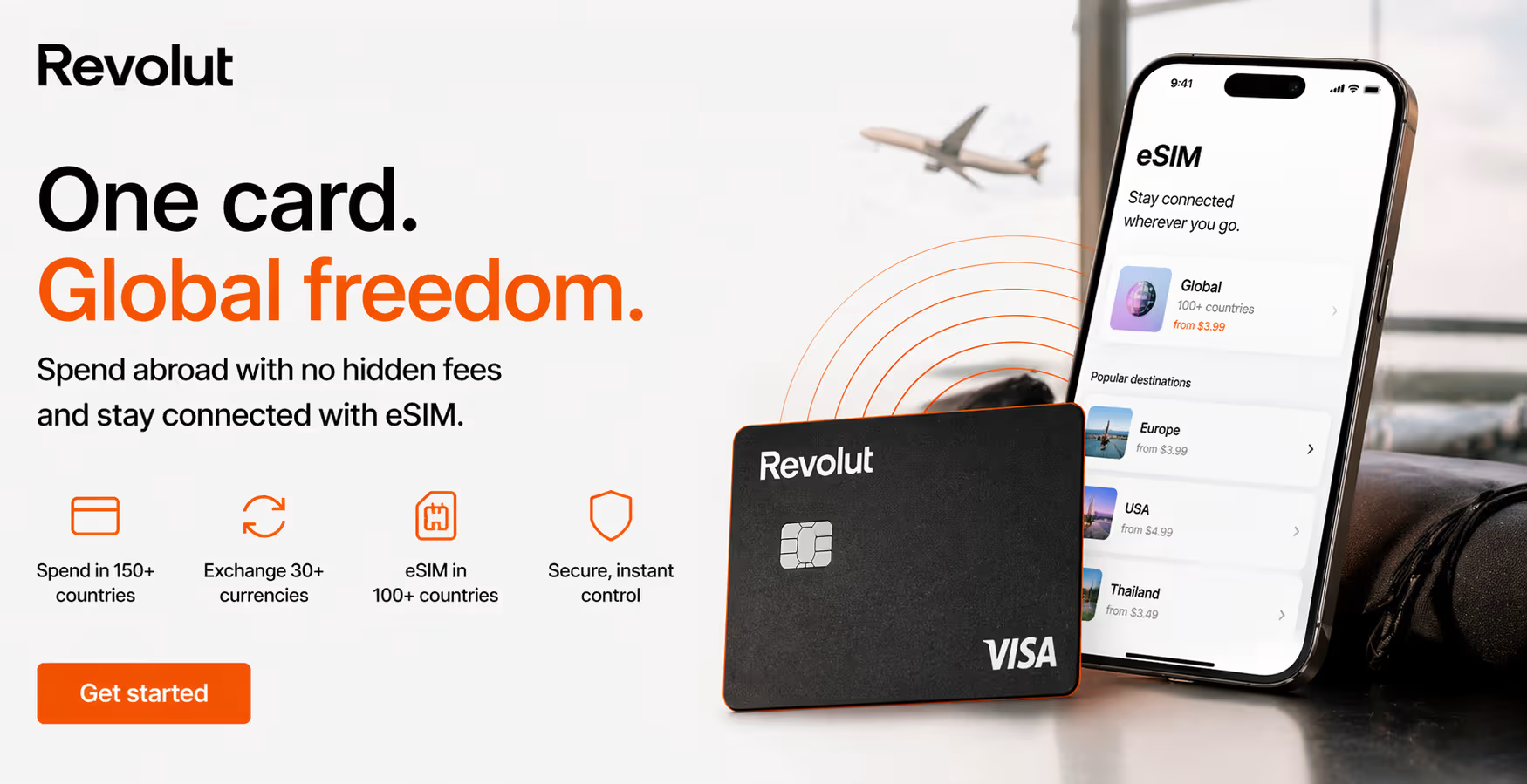
1GLOBAL already supports travel connectivity through Revolut, demonstrating how a financial application can become a distribution channel for mobile services. In April 2026, it also announced a partnership with Lidl, including plans to integrate eSIM connectivity into the Lidl Plus ecosystem.
The business models differ, but the underlying strategy is similar: reach customers through applications they already use.
WEtell’s position is particularly interesting because, unlike a bank or supermarket, it already operates as a mobile provider. It understands telecom customers, handles ongoing subscriptions and has an established support relationship.
READ MORE: What 1GLOBAL’s ComReg Case Means for Embedded eSIMs
That could make international eSIM adoption easier. Customers are not being introduced to an entirely unfamiliar service category.
The commercial attraction is equally clear. Travel connectivity creates additional revenue opportunities without requiring WEtell to abandon its existing business model or develop a global roaming operation independently.
For smaller MVNOs, this approach could become increasingly relevant. Building international infrastructure is expensive. Integrating connectivity through APIs offers a faster route to expanding services, although it introduces dependency on the wholesale partner’s pricing, technology and network agreements.
Where the Offer Still Needs to Prove Itself
The strongest test will come from real travellers rather than launch announcements.
Within the EU and European Economic Area, customers already benefit from regulated roaming arrangements. The European Commission’s Roam Like at Home guidance makes clear that eligible travellers can generally use domestic allowances without additional roaming charges, subject to fair-use conditions.
An additional travel eSIM therefore makes considerably more sense for destinations outside those arrangements, or when domestic roaming data allowances are restrictive.
READ MORE: Alertify eSIM Index: Top Travel eSIM Providers
There is also competition from established travel eSIM specialists such as Airalo, Nomad eSIM and Ubigi, which offer dedicated applications and broad international plan selections.
WEtell’s advantage will not necessarily be the largest destination catalogue or the lowest advertised price. It will be the convenience of purchasing through an existing mobile provider, backed by a recognisable customer relationship.
That advantage needs to translate into transparent pricing, straightforward activation and responsive support when connectivity fails abroad.

Conclusion: The Next Telecom Competitor May Already Have the Customer
The most interesting aspect of WEtell’s partnership is not its environmental branding. It is what the agreement reveals about competition in mobile connectivity.
Revolut approaches telecom from financial services. Lidl approaches it from retail and customer loyalty. WEtell approaches it from an existing mobile subscription relationship.
All three illustrate how telecom distribution is becoming less dependent on dedicated operator storefronts.
For established travel eSIM companies, that creates an uncomfortable possibility: a technically comparable connectivity product may reach customers through an application they already trust, before they ever consider searching for an alternative.
For smaller operators, however, integration alone is not enough. If everyone can access similar wholesale infrastructure, differentiation eventually moves elsewhere: customer service, pricing transparency, network quality and the ability to solve problems quickly.
WEtell has a distinctive brand identity. 1GLOBAL provides the technical foundation. Whether that combination becomes a compelling travel product will depend on execution.
The larger lesson is that owning the network is not always necessary to expand a telecom business. Owning the customer relationship may prove just as valuable.


