


Sends Adds eSIM Travel Data Directly Inside Its App
Sends has added travel eSIM connectivity to its app, giving customers a way to buy mobile data for trips abroad without leaving the same environment they already use for payments and account management.
The new feature, marketed as eSends, lets users select a destination, choose a data package, pay inside the Sends app and install an eSIM on a compatible smartphone before travelling. Sends says the service is intended to remove the familiar arrival-day routine of searching for airport Wi-Fi, buying a local SIM or switching on expensive roaming.
On the surface, this is a straightforward product addition. More importantly, it is another sign that travel connectivity is becoming a feature inside financial and travel platforms rather than a standalone purchase travelers make from a telecom provider.
How the eSIM integration works
The customer journey is deliberately simple:
- Choose the destination.
- Select the required data allowance and validity period.
- Buy the package inside the Sends app.
- Install the eSIM on a compatible device.
- Activate it and use mobile data at the destination.
Sends highlights destinations including the US, Turkey, Thailand, the UAE and the UK. The separate eSENDS service advertises coverage across more than 200 destinations, with local, regional and global plans available.
READ MORE: How fintech, neobanks, travel platforms embed connectivity
For travelers, the main advantage is timing. Connectivity can be arranged before departure, so Google Maps, ride-hailing, messaging, hotel confirmations and banking apps can work as soon as the phone connects after landing.
The eSIM can also sit alongside an existing physical SIM or another eSIM, meaning travelers can keep their regular number active for calls and messages while routing mobile data through the travel plan.
There is an important distinction behind the branding
Despite the similar names, Sends and eSENDS are not the same service provider.
Sends is the trading name of Smartflow Payments Limited, an FCA-authorised electronic money institution. According to the company’s own Consumer Duty notice, Sends provides the customer account and processes the payment, while the actual eSIM is sold and supplied by ODESSYS TECH LTD, trading as eSENDS.
READ MORE: Who Owns the Customer in the API Connectivity Era?
That means eSENDS is responsible for the mobile service itself, including coverage, data delivery and eSIM-related support.
This is not unusual. Embedded connectivity increasingly works through partnerships in which the consumer-facing app owns the customer relationship while a specialist connectivity provider supplies the underlying mobile service. Still, the distinction matters because travelers should know who they are contracting with if something goes wrong abroad.
Why this matters beyond another travel eSIM
The bigger story is not that another eSIM product has appeared. The travel eSIM market is already crowded.
What is changing is distribution.
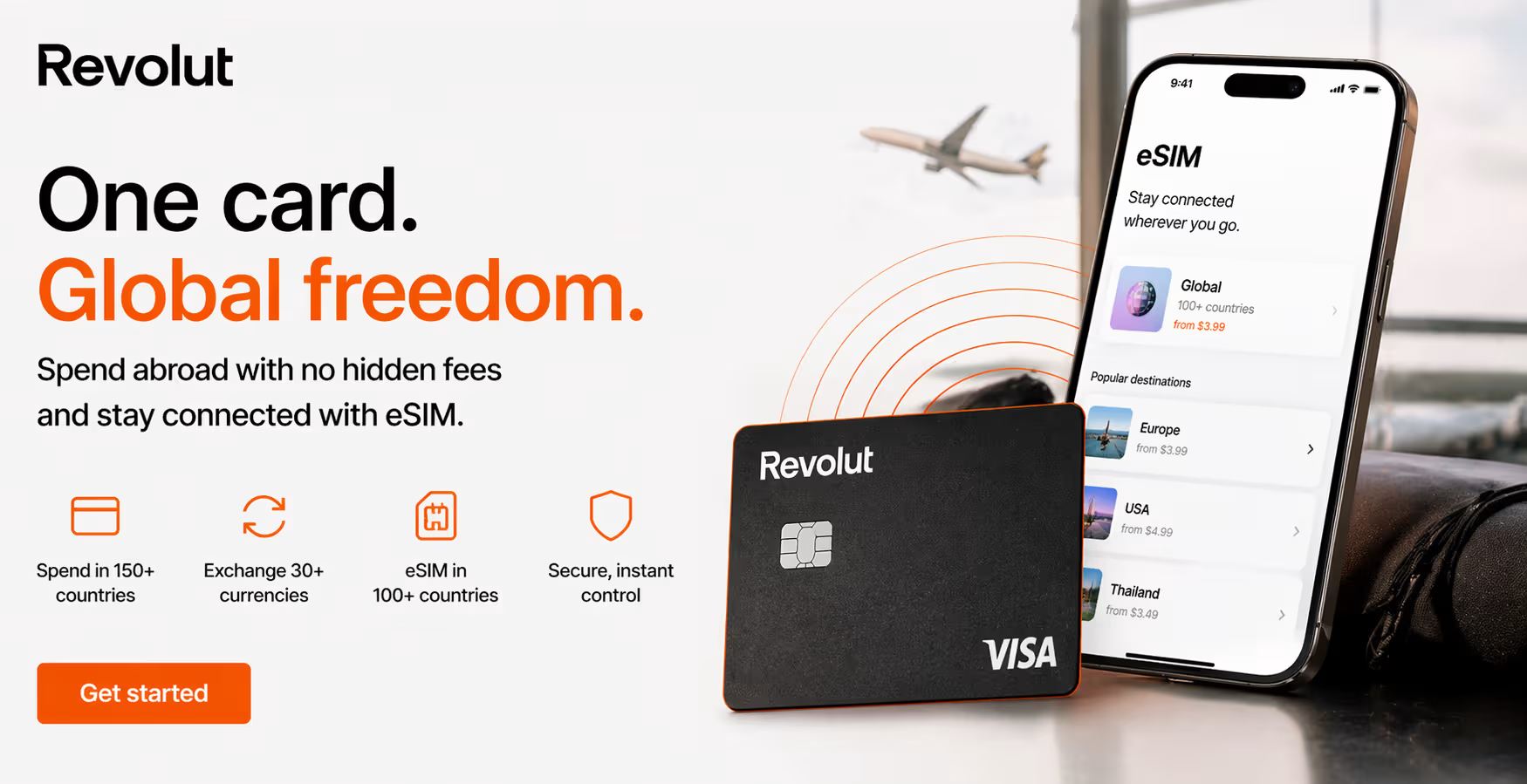
Financial apps increasingly want to become broader travel companions. Revolut already lets customers buy travel data plans inside its app through connectivity partners, while Wise now offers eSIM data plans for more than 150 countries and territories through its Travel Hub.
READ MORE: Revolut’s eSIM Strategy Is Bigger Than Travel Data
For these platforms, mobile connectivity makes strategic sense. The traveler is already opening the app abroad to exchange currency, check balances, make payments and manage cards. Adding mobile data reduces the need to send that same customer to another app at exactly the moment when reliable internet becomes essential.
Sends is following that same logic: connectivity is becoming part of the financial travel stack.
For eSIM providers, however, the trend cuts both ways. Embedded distribution creates new sales channels, but it can also make the underlying connectivity brand less visible. Increasingly, the customer may buy “internet in my banking app” without knowing or caring which telecom platform actually powers it.
Where eSends fits — and where it may not
The proposition is strongest for existing Sends customers who value convenience more than shopping across dozens of specialist eSIM providers. Frequent travelers, business users and people who prefer to prepare connectivity before departure are obvious fits.
It is less compelling for travelers who optimise primarily for the lowest price, want a particular local network, need voice and SMS, require genuinely unlimited data or compare detailed technical conditions before buying. Dedicated eSIM marketplaces and specialist providers often expose more plan-level information and a wider variety of packages.
READ MORE: Why eSIM Distribution Will Matter More Than Network Coverage
That is also where Sends could strengthen the experience. Travelers increasingly want to see the underlying network, speed restrictions, hotspot rules, fair-use limits and activation conditions before checkout. Coverage breadth alone is no longer enough to differentiate a travel eSIM.
Alternatives are also becoming harder to ignore. Revolut already offers embedded travel data, Wise has moved into the same territory, while specialist providers such as Airalo, Holafly, Ubigi and BNESIM compete with deeper connectivity-focused propositions. BNESIM has even pushed distribution into ChatGPT, showing how far eSIM sales are moving beyond the traditional provider app.
Conclusion
Sends adding eSIM connectivity is less significant as a telecom launch than as another example of eSIM disappearing into other digital products.
That is where the market is heading. Travel connectivity is steadily moving from something travelers actively search for into something offered at the point where they already plan, pay, book or manage a trip.
For Sends, the opportunity is obvious: increase the usefulness of the app abroad and keep more of the travel journey inside one ecosystem. The harder challenge will be differentiation. Revolut, Wise and specialist eSIM brands are already competing for the same moment between booking a trip and landing at the destination.
The winners in this next phase may not be the companies with the loudest “global coverage” claim. They are more likely to be the platforms that make connectivity almost invisible: clearly priced, technically transparent and available exactly where the traveler already is.


